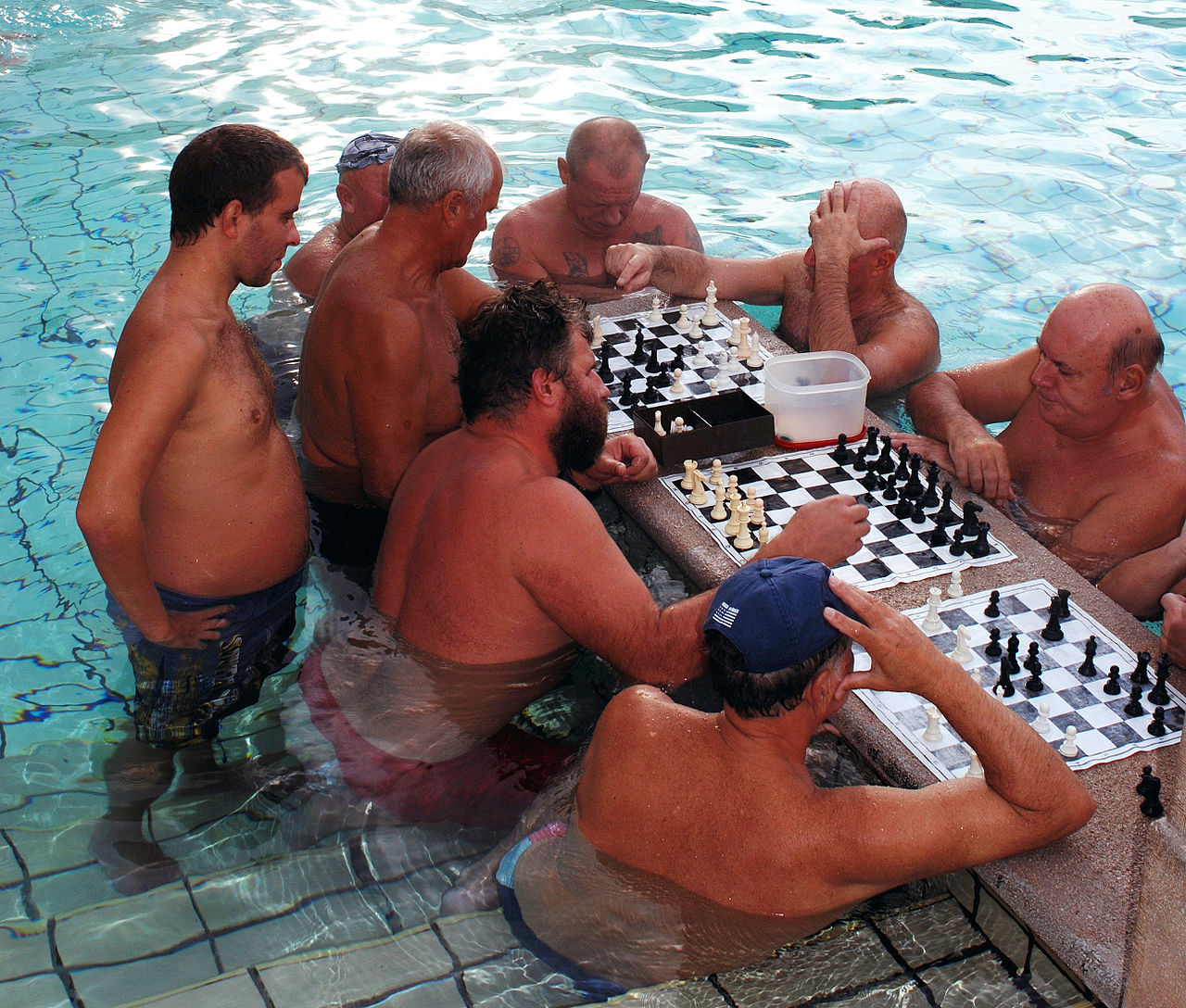
🎯 TL;DR

Berekfürdő thermal spa is Hungary’s Great Plains answer to overpriced, overcrowded wellness tourism. A certified gyógyfürdő with subsidised medical treatments, 10 pools, on-site camping, and Hortobágy National Park ten minutes away. Lower prices than Hajdúszoboszló, zero influencer crowds, and thermal water that actually does something useful. Worth the detour.

📋 At a Glance

Best ForMedical thermal bathing, family day trips, budget spa weekends, Hortobágy combo itineraries
Time NeededHalf day minimum; full day recommended; weekend if camping
Cost~2,500–4,000 HUF adult day ticket (estimated); partial NEAK subsidy available for medical treatments
HoursYear-round (thermal/medical section); beach strand May–September; confirm current hours before visiting
Getting There~170km from Budapest via M4; IC train to Karcag then local bus; driving strongly recommended
Skip IfYou need luxury hotel amenities, a buzzing nightlife strip, or you’re expecting Széchenyi-level grandeur

What Makes Berekfürdő Different from Hungary’s Famous Spas

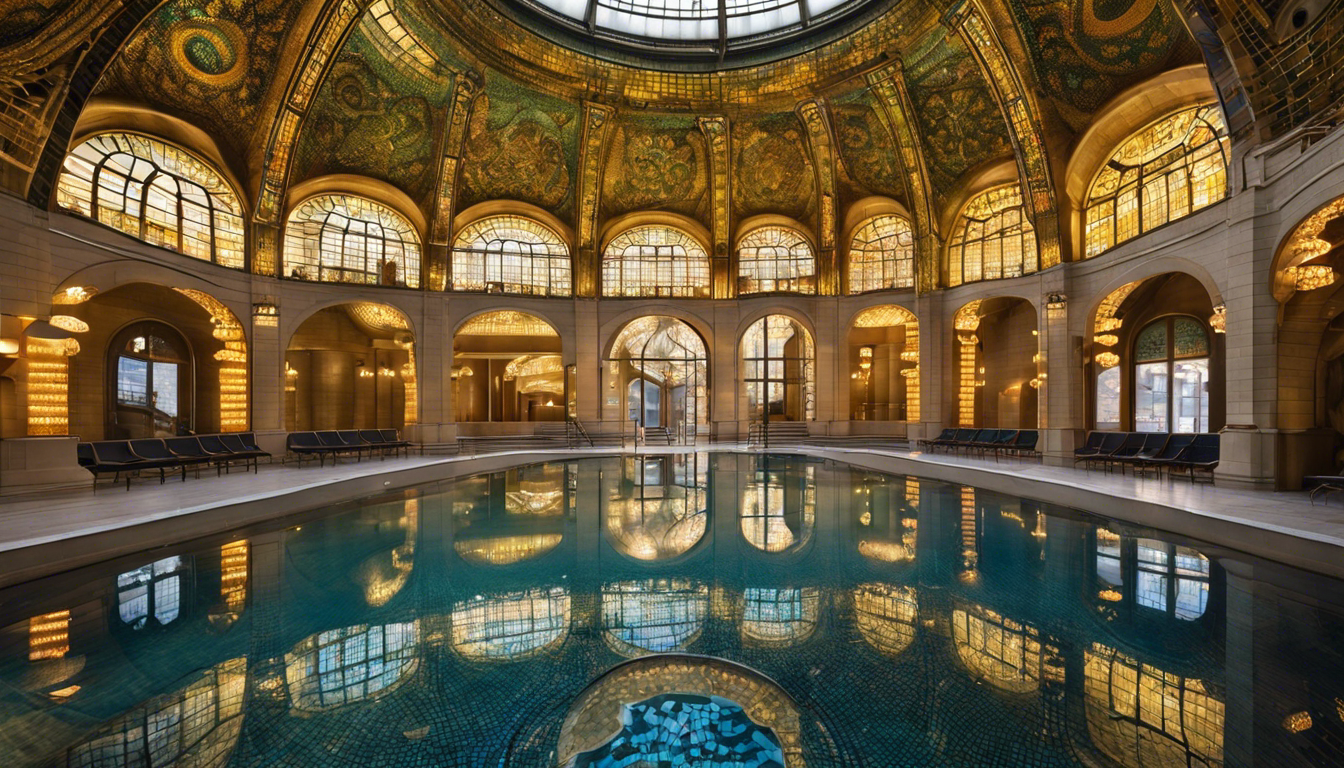
Hungary has no shortage of thermal spas competing for your forint. But most of the famous ones — Budapest’s palace baths, Hajdúszoboszló’s water park empire, Hévíz’s floating lake — share one quality: everyone already knows about them. Berekfürdő operates on a different frequency. It’s a genuine gyógyfürdő, medically certified, subsidy-eligible, and largely populated by people who actually live nearby.

A Spa Town the Crowds Haven’t Found Yet

I’ll be direct: Berekfürdő is not a destination that’s been aggressively marketed to foreign tourists, and that’s precisely why it still works. The town has roughly 1,000 permanent residents, a thermal spa complex covering 8 hectares, and a summer population that swells considerably — but nothing like the shoulder-to-shoulder chaos you’ll find at Hungary’s more commercialised spa towns. The atmosphere is local. You’ll hear Hungarian around you. The snack bar sells lángos at reasonable prices. Nobody is trying to sell you a spa package that includes a branded robe.

If you’ve been to Hajdúszoboszló on a Saturday in July and spent forty minutes queuing to get into a pool, you’ll understand immediately what I mean. Berekfürdő offers a credible uncrowded alternative to Hajdúszoboszló thermal baths — same Great Plains geology, dramatically different energy. The pools are spacious, the water is serious, and the experience feels more like bathing than performing.

The Medical Tourism Advantage: Subsidised Treatments

This is where Berekfürdő earns its stripes. Unlike a generic strand fürdő that happens to have warm water, Berekfürdő holds official gyógyfürdő certification — meaning its water has been independently verified to have therapeutic properties, and certain treatments can be prescribed by a doctor and partially covered by Hungary’s NEAK national health insurance. That’s not marketing language; that’s a specific legal designation with real bureaucratic requirements behind it.

For medical tourists — typically people dealing with joint conditions, post-surgical rehabilitation, or chronic musculoskeletal issues — this is a significant financial consideration. Subsidised thermal spa Hungary NEAK treatments can dramatically reduce the cost of a multi-day therapeutic stay, particularly if you’re a Hungarian resident with a valid TAJ card and a doctor’s referral. Even without subsidy, the base prices are lower than comparable facilities elsewhere.

Where Thermal Bathing Meets UNESCO Wilderness

The geographical accident that makes Berekfürdő interesting — beyond the pools — is its location. The spa sits roughly 15 kilometres from the edge of Hortobágy National Park, Hungary’s largest and one of Europe’s most significant protected steppe landscapes. UNESCO listed it in 1999. You can spend a morning soaking in 38°C thermal water and an afternoon watching traditional Hungarian grey cattle wander across a horizon that goes on longer than seems architecturally possible. This combination — Berekfürdő vs Hajdúszoboszló which is better for nature lovers is not a difficult question to answer.

Historical Journey of Berekfürdő

The story of Berekfürdő is essentially the story of what happens when someone drills for something useful and finds something extraordinary. Across Hungary’s Great Plains, the geological subtext is always the same: beneath the flat agricultural land lies a vast system of thermal water, pressurised by geological activity and heated by the earth. Berekfürdő is one of the places where that subtext was discovered, written down, and turned into a destination.

How Thermal Water Shaped a Village

Before the thermal discovery, the settlement that would become Berekfürdő was a minor agricultural community in the Jász-Nagykun-Szolnok county — one of those Great Plains villages that existed primarily as a support structure for the surrounding farmland. The history of Berekfürdő thermal bath discovery fundamentally altered the community’s trajectory, as it did for dozens of similar settlements across the region. Thermal water, in the Hungarian Great Plains context, is not just a wellness amenity. It’s an economic asset capable of transforming a village’s entire reason for existing.

The relationship between the local population and the water is long and practical. These aren’t people who discovered thermal bathing as a lifestyle trend — they’ve been soaking in it as a matter of geography. The spa culture here has the comfortable, matter-of-fact quality of something that’s been normalised for generations. Nobody is performing wellness. They’re just bathing.

From Drilling to Destination: The Spa’s Founding

The Berekfürdő spa founding date Great Plains story follows a pattern repeated across Hungarian thermal history: exploratory drilling — often originally for oil or agricultural water management — hits thermal water instead, scientists confirm its mineral properties and temperature, and the economic logic of a bathing facility quickly becomes obvious. In Berekfürdő’s case, the water proved to have genuine therapeutic credentials, not just thermal temperature but specific mineral content that would eventually support the formal gyógyfürdő certification.

The development of the facility followed Hungary’s broader mid-twentieth-century investment in therapeutic spa infrastructure. The state saw medical tourism — particularly domestically, for workers needing rehabilitation — as both a public health investment and an economic development tool for rural communities that had limited other options. Berekfürdő benefited from this logic, and the Jász-Nagykun-Szolnok thermal water history is in many ways a microcosm of how Hungary turned geological luck into social infrastructure.

Berekfürdő Today: A Living Spa Settlement

What makes Berekfürdő interesting in 2025 is that it hasn’t been bulldozed and rebuilt as a luxury resort. The facilities have been modernised and expanded over the decades, but the essential character remains intact. The town exists in genuine symbiosis with the spa — accommodation, catering, and the local economy are organised around the bathing complex in the way that agricultural towns were once organised around the market square. It’s a small place that knows exactly what it is, and doesn’t apologise for it.

The Thermal Water: Mineral Composition and Certified Health Benefits

The water at Berekfürdő is not warm tap water with a wellness marketing budget. It’s a genuine mineral thermal water with documented composition and certified therapeutic indications — which is exactly what separates a real gyógyfürdő from a hotel with a hot tub. Understanding what’s in the water, and what it’s actually supposed to do, is useful before you commit to soaking in it for several hours.

What’s in the Water: Key Minerals and Temperature

The Berekfürdő thermal water mineral composition is characteristic of Hungary’s Great Plains thermal aquifer system. The water is sodium-bicarbonate-chloride in type, with significant calcium and magnesium content, and it emerges from the ground at temperatures that place it firmly in the hyperthermal category — hot enough to require dilution or controlled delivery for comfortable bathing. The sodium and bicarbonate components are associated with alkaline water properties, which have documented effects on skin and mucous membranes, while the calcium and magnesium content supports the musculoskeletal therapeutic claims.

Pool temperatures are maintained at varying levels depending on the section: the medical thermal pools operate at the higher end — approaching 38°C — while the general bathing pools are cooled to more comfortable soaking temperatures. The raw spring water itself is significantly hotter and requires processing before entering any pool. The temperature management is part of what makes the facility operationally complex and, frankly, why you can’t just replicate this experience at home with a very hot bath.

Certified Therapeutic Indications

This is the section that matters most if you’re visiting for health reasons rather than leisure. The question of what conditions does Berekfürdő thermal water treat has an official answer, because gyógyfürdő certification in Hungary requires documented therapeutic indications backed by water analysis and medical review. The certified indications at Berekfürdő cover the conditions most commonly associated with Great Plains thermal water: degenerative joint diseases, including osteoarthritis and spondylosis; rheumatic conditions; post-traumatic rehabilitation; and certain gynaecological conditions.

The mud treatments add another therapeutic layer. Berekfürdő’s thermal mud — peloid, in the technical terminology — has its own set of indications, primarily focused on musculoskeletal and rheumatic conditions where the combination of heat, mineral contact, and pressure provides measurable therapeutic benefit. These aren’t spa menu items dressed up in clinical language; they’re procedures that can be prescribed by a doctor and administered under medical supervision.

The formal classification as a gyógyfürdő certified therapeutic bath Hungary means the facility must maintain certain standards of water quality, treatment delivery, and medical oversight that a standard strand fürdő is not required to meet. This is worth knowing because it affects the entire character of the place — there are actual physiotherapists here, actual treatment protocols, and an actual medical rationale for what’s happening in the pools.

How Berekfürdő’s Water Compares to Other Great Plains Spas

The Great Plains sits above one of Europe’s most significant thermal water reserves, and most spa towns in the region share broadly similar water chemistry — sodium bicarbonate-rich, warm, mineral-dense. The differences between Berekfürdő, Hajdúszoboszló, and the other Jász-Nagykun-Szolnok and Hajdú-Bihar county spas are in degree and concentration rather than fundamental type. What distinguishes Berekfürdő is not a dramatically different water composition but rather its maintained focus on medical bathing rather than water park entertainment. The therapeutic function hasn’t been subordinated to the slide count.

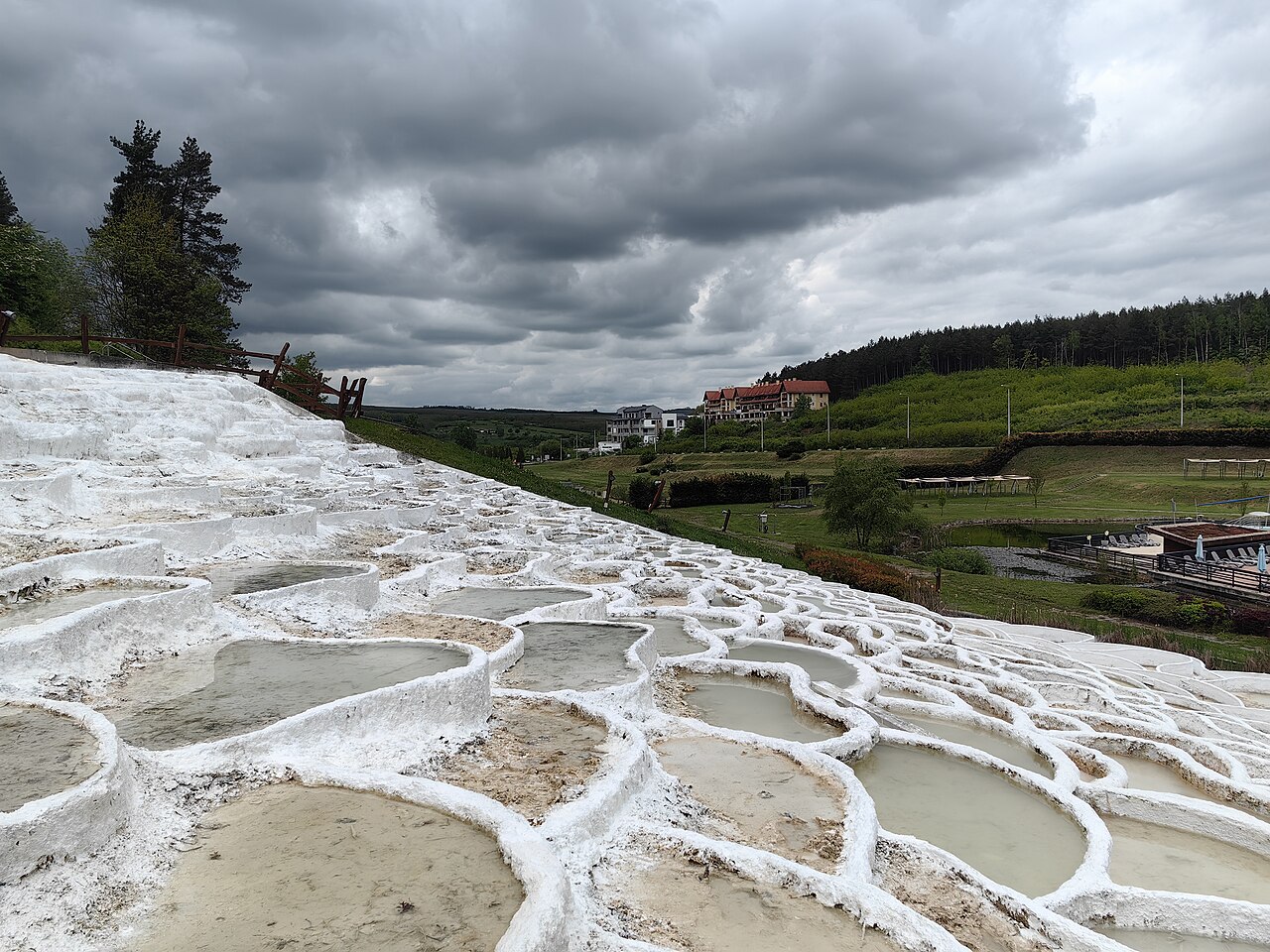
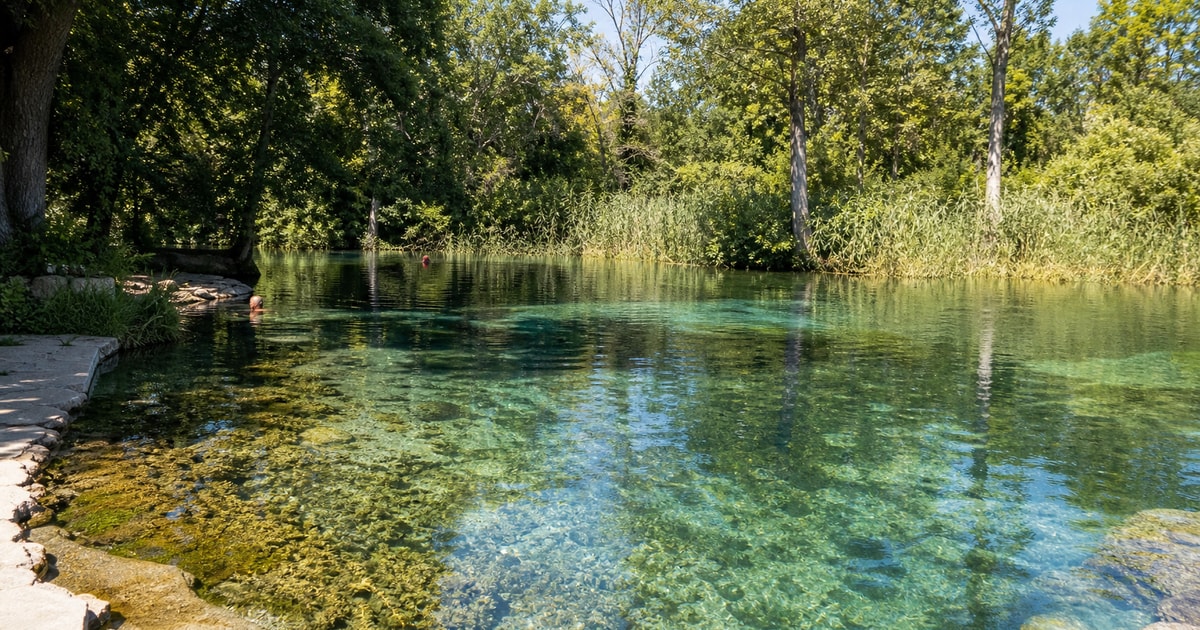
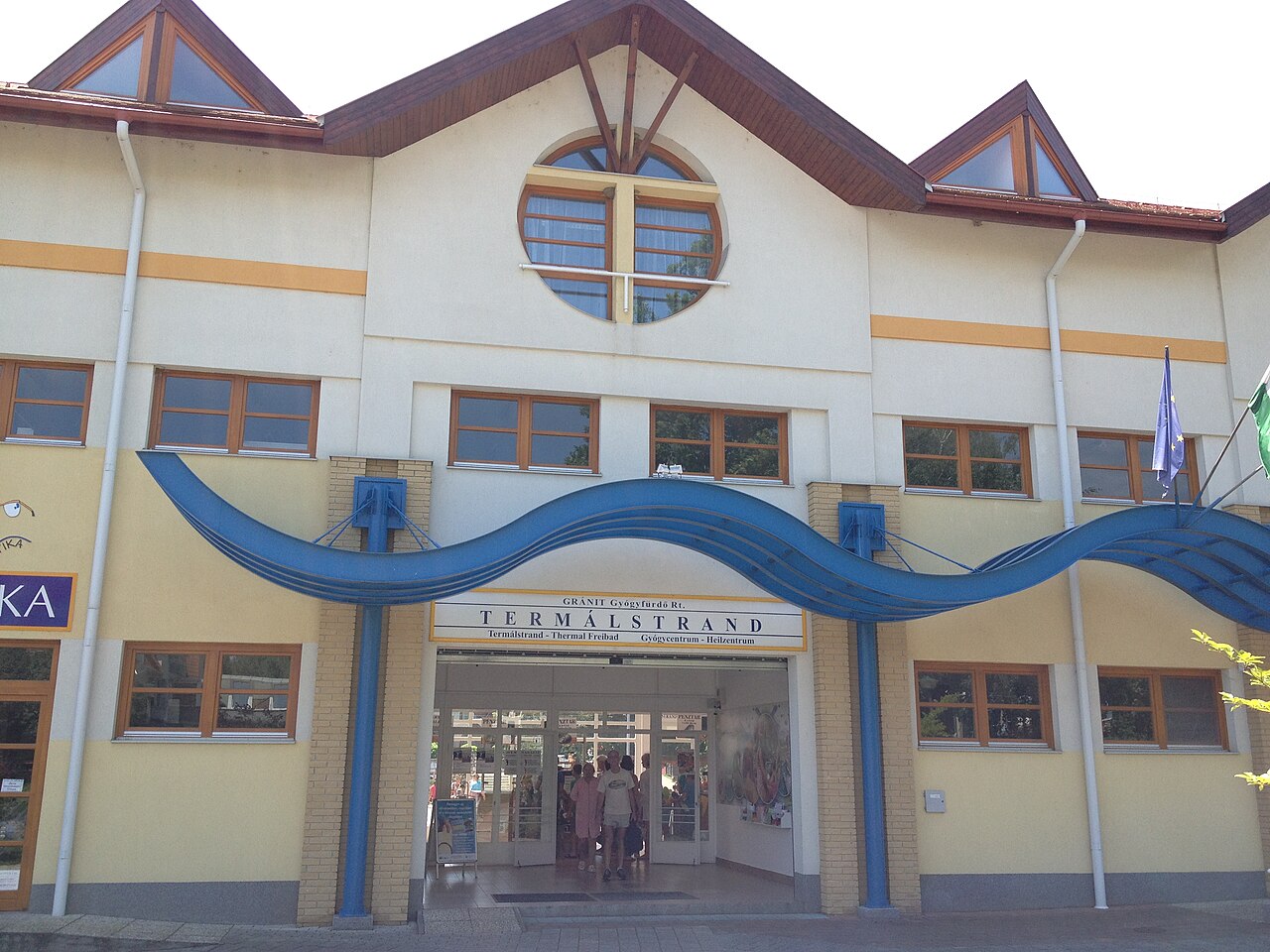
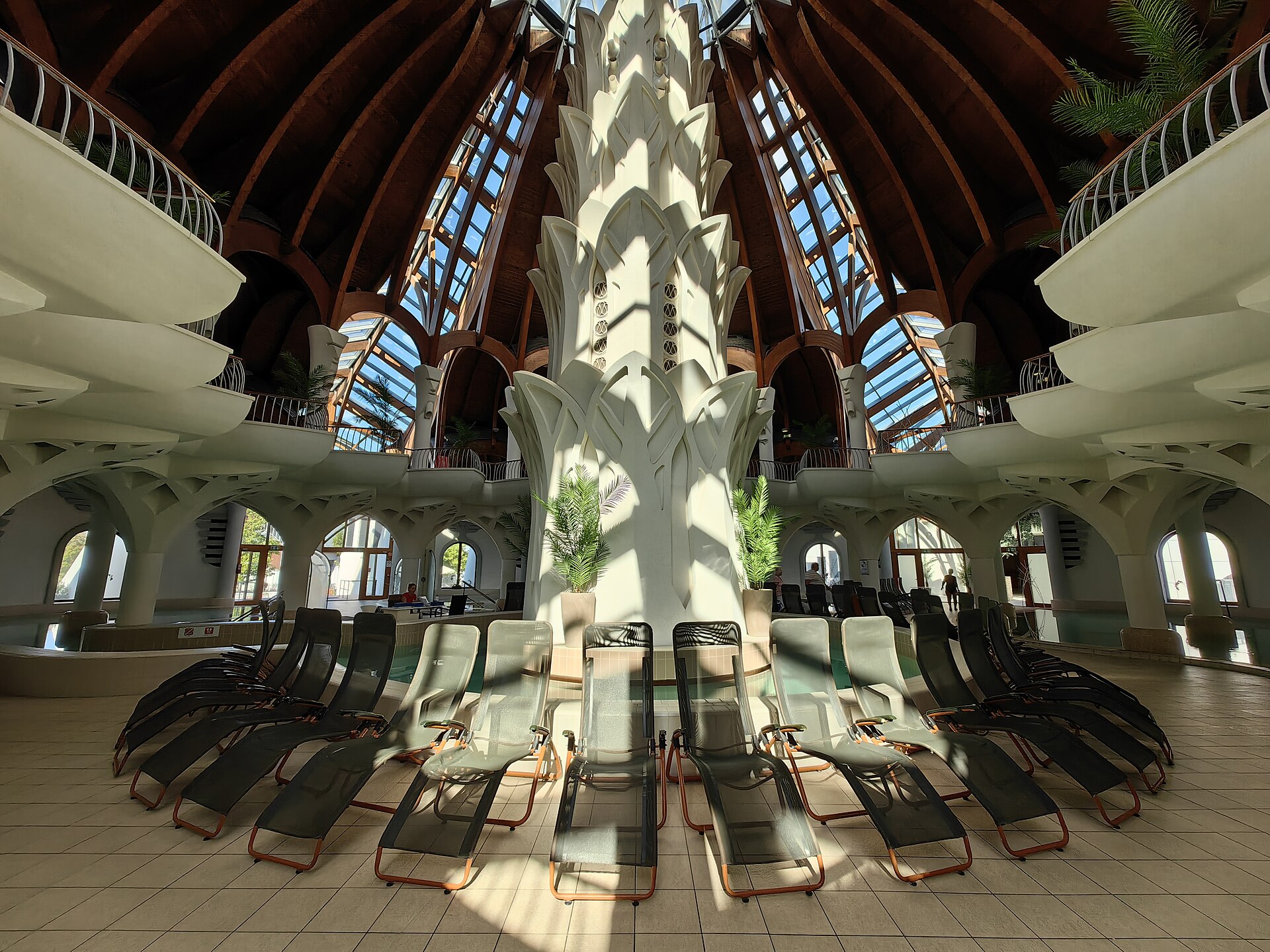
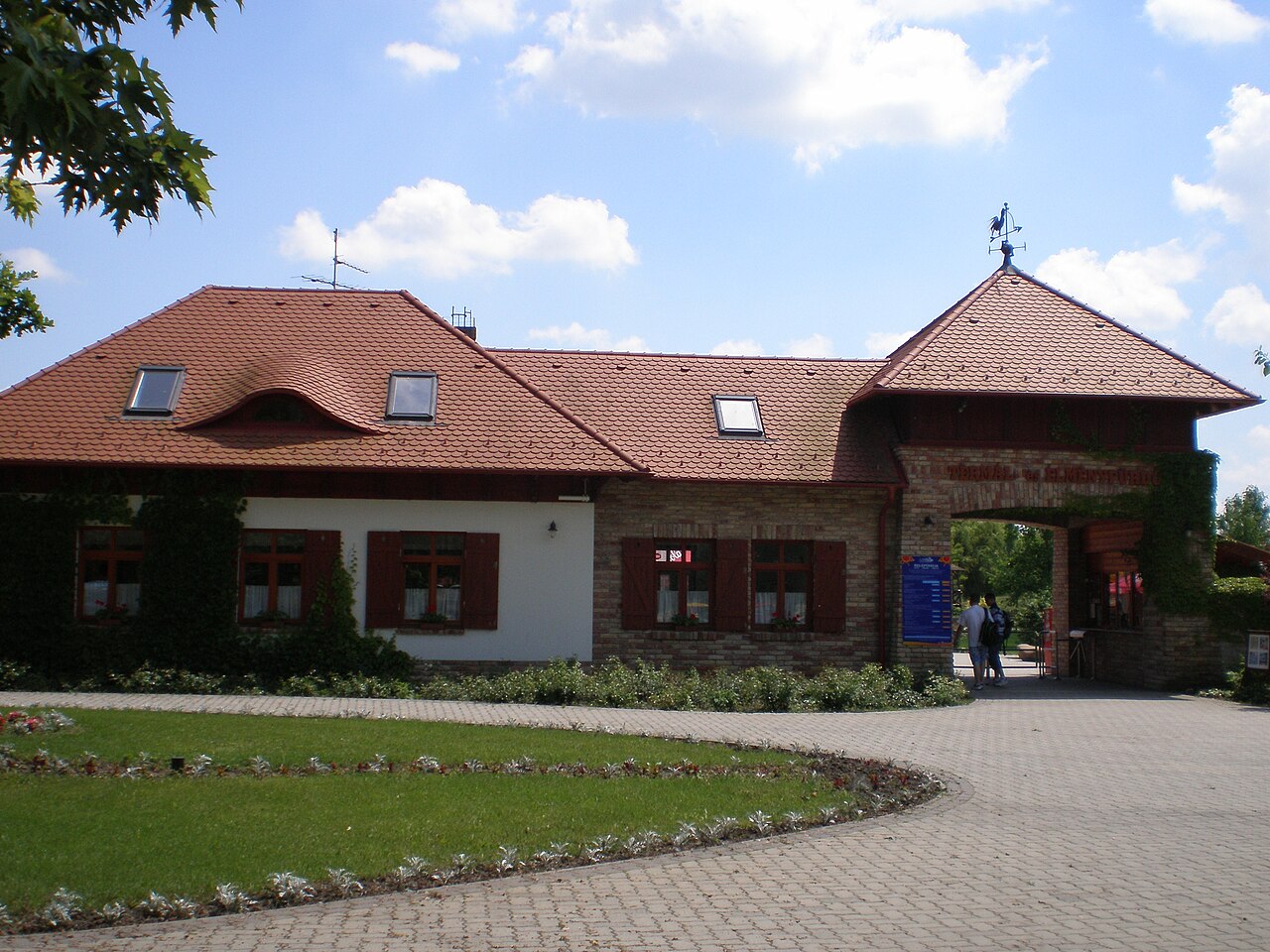
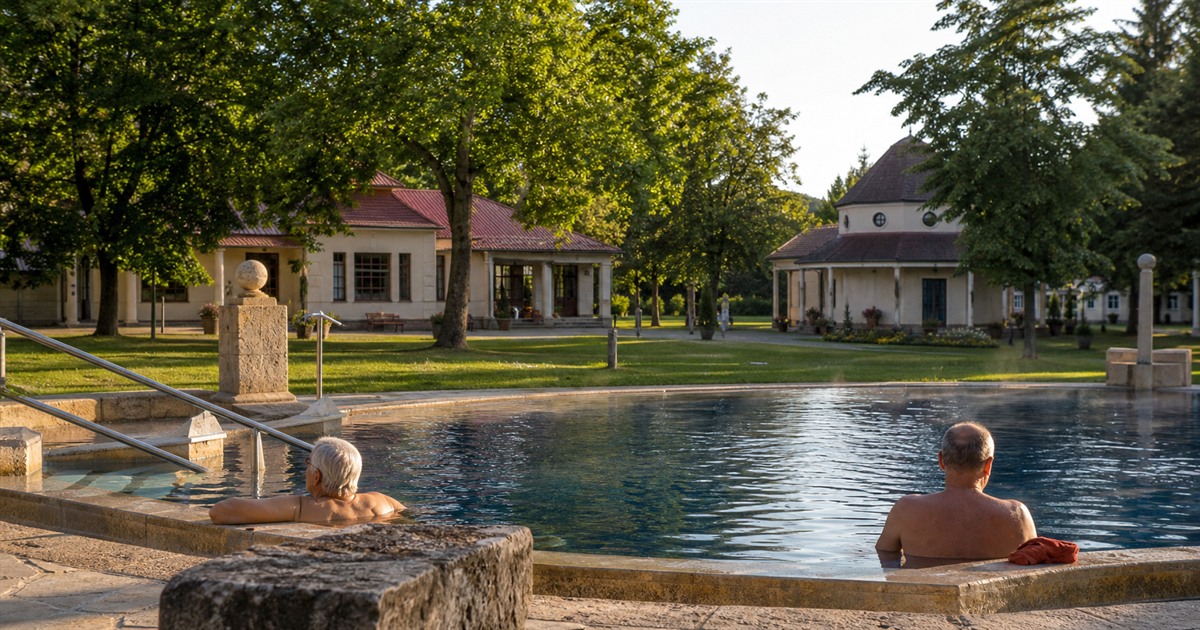
Berekfürdői Gyógy- és Strandfürdő
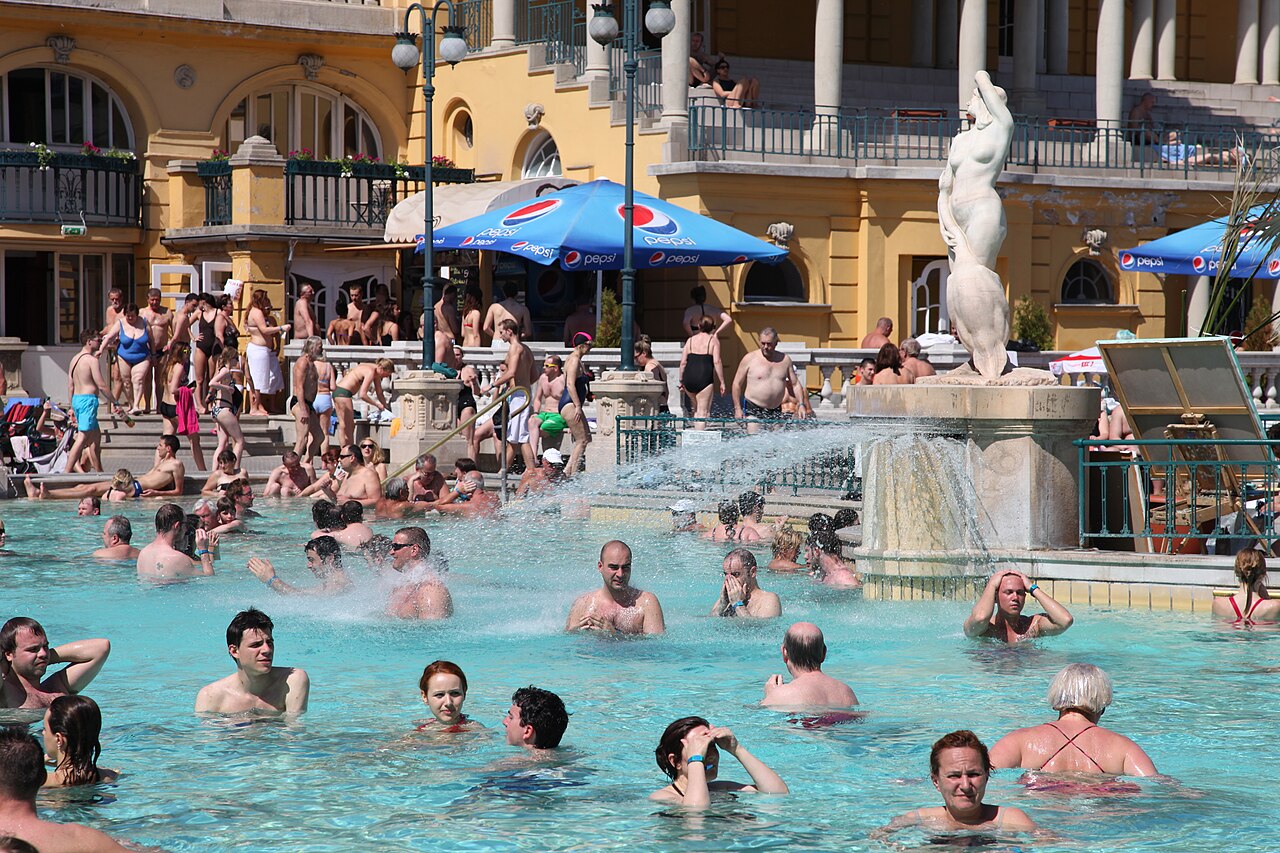
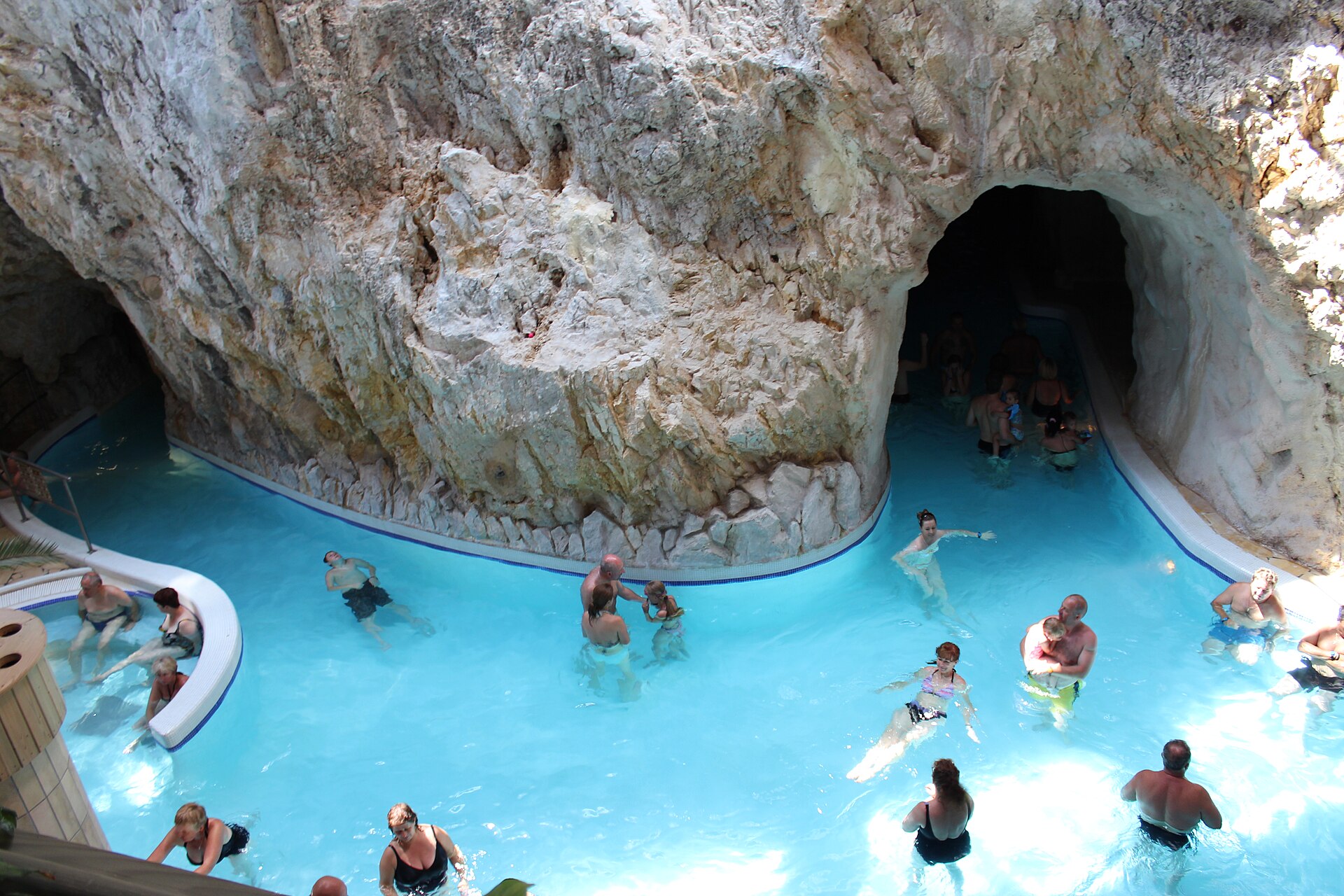
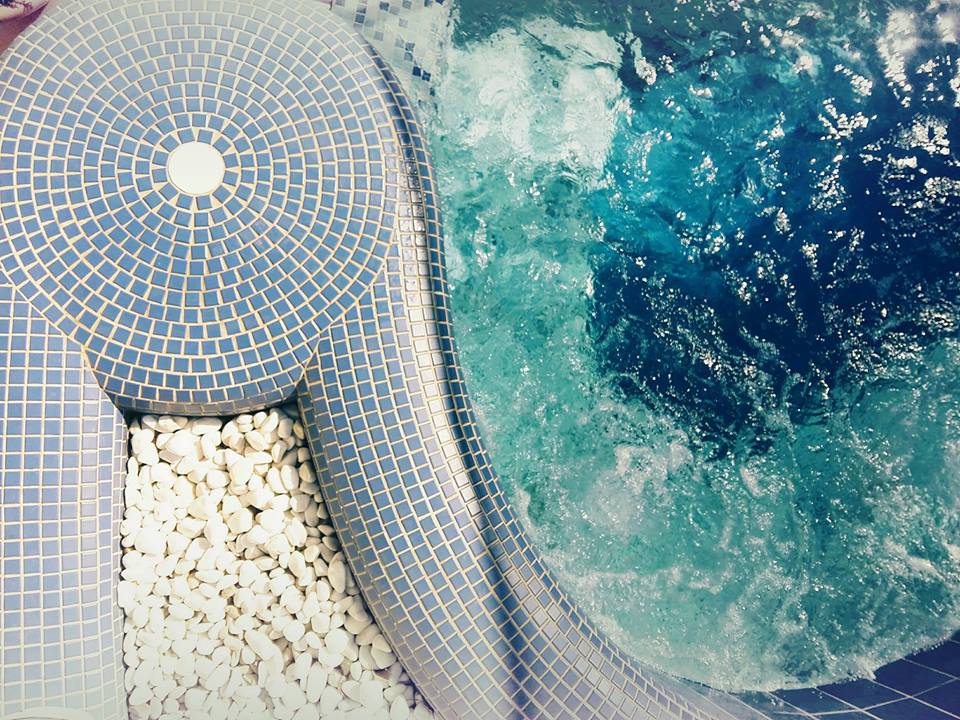
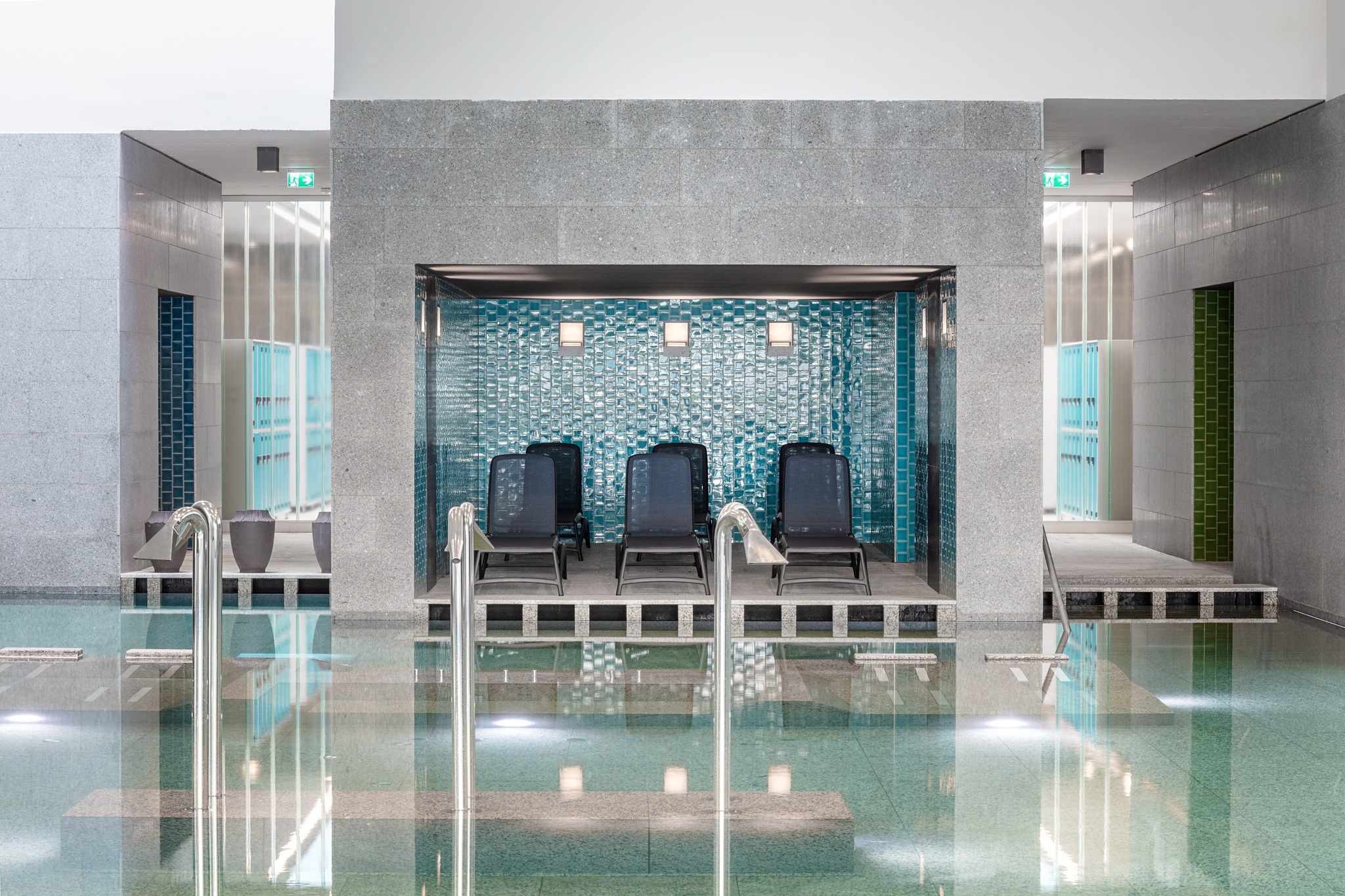
Berekfürdői Gyógy- és Strandfürdő Berekfürdői Gyógy- és Strandfürdő Berekfürdői Gyógy- és Strandfürdő Berekfürdői Gyógy- és Strandfürdő
Róbert Bornai | Alexandra Szimonetta Szabó (Szimi) | trailgaze | Marcin As

📍 Berekfürdői Gyógy- és Strandfürdő

Berekfürdő, Berek utca

Hours: Summer: daily from early morning; Winter: thermal/medical section year-round — confirm current hours at furdo.berekfurdo.hu. Price: See ticket section for pricing.

Complete Pool Guide: Temperatures, Sizes, and What Each Pool Is For

The complex runs 10 pools across its 8-hectare site, split roughly evenly between medicinal and general swimming use. Not all of them are open simultaneously throughout the year, and understanding which sections operate when is essential if you’re planning a winter visit or a summer family trip. Here’s the breakdown of what’s where and what it’s for.

Outdoor Thermal Pools: The 38°C Winter Experience

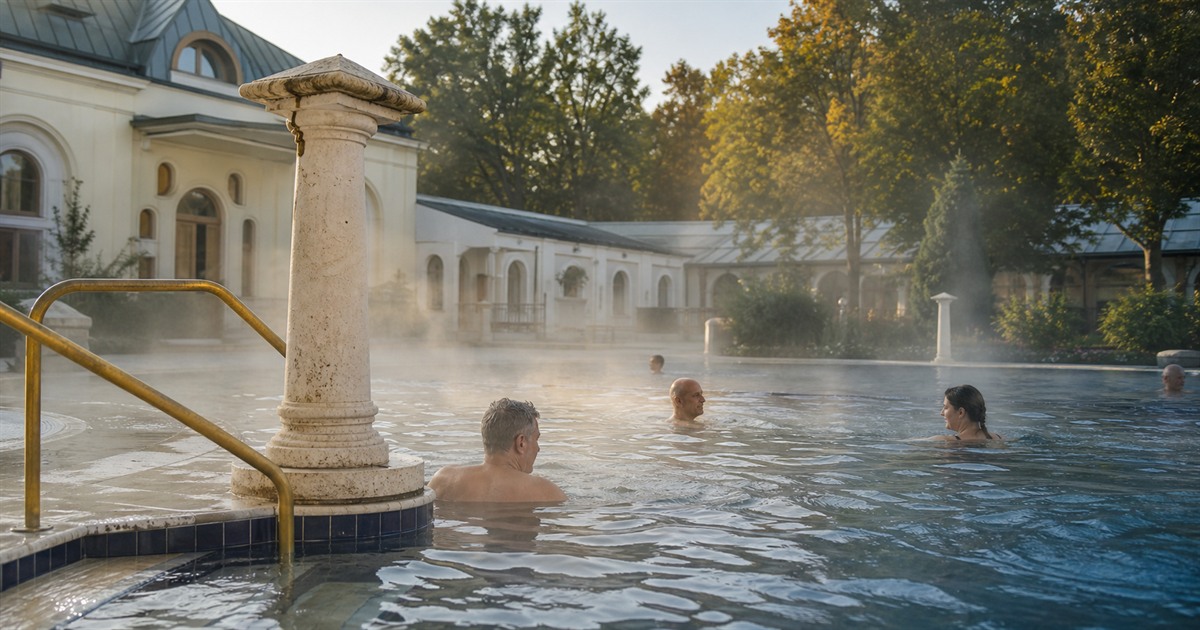
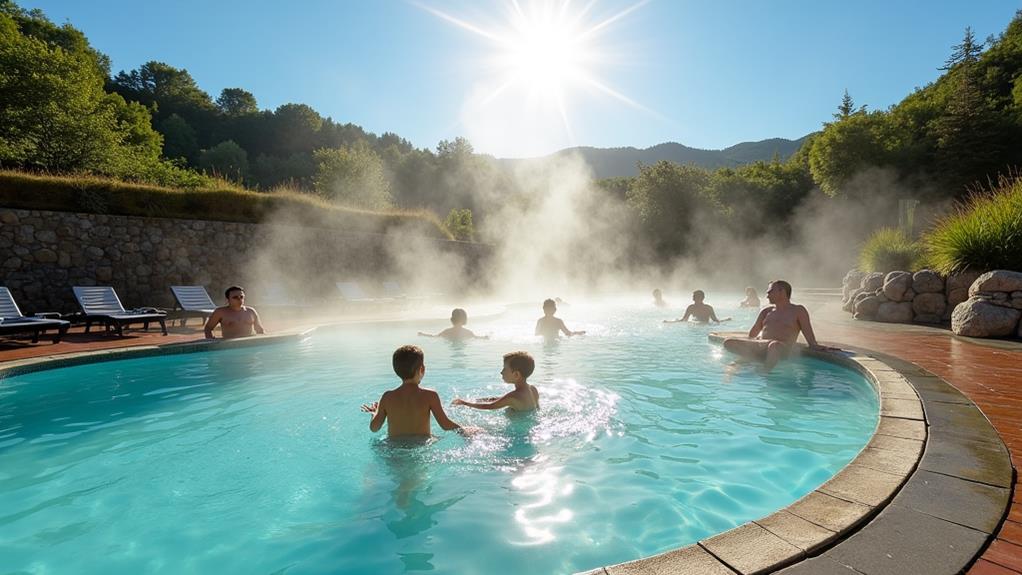
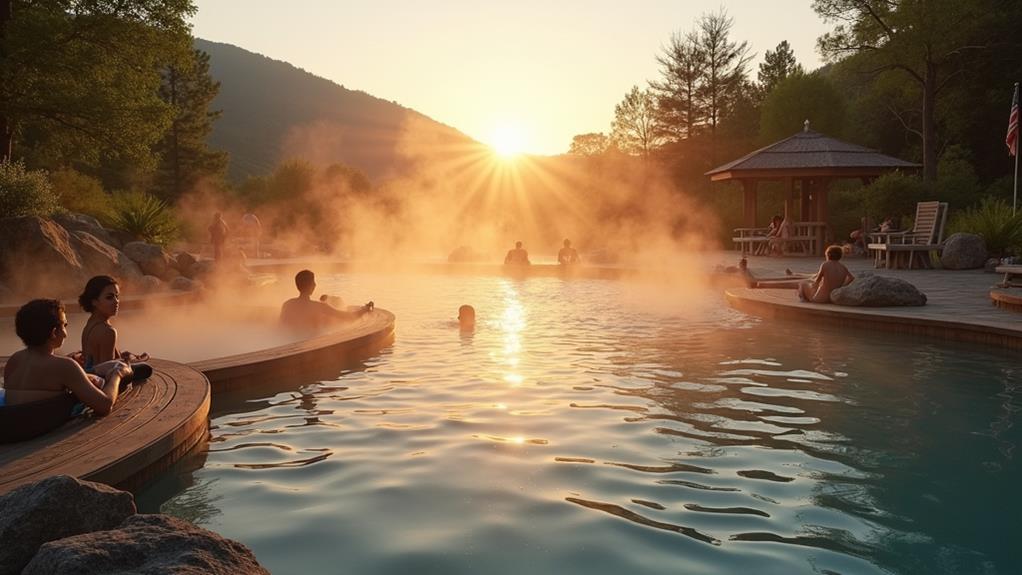
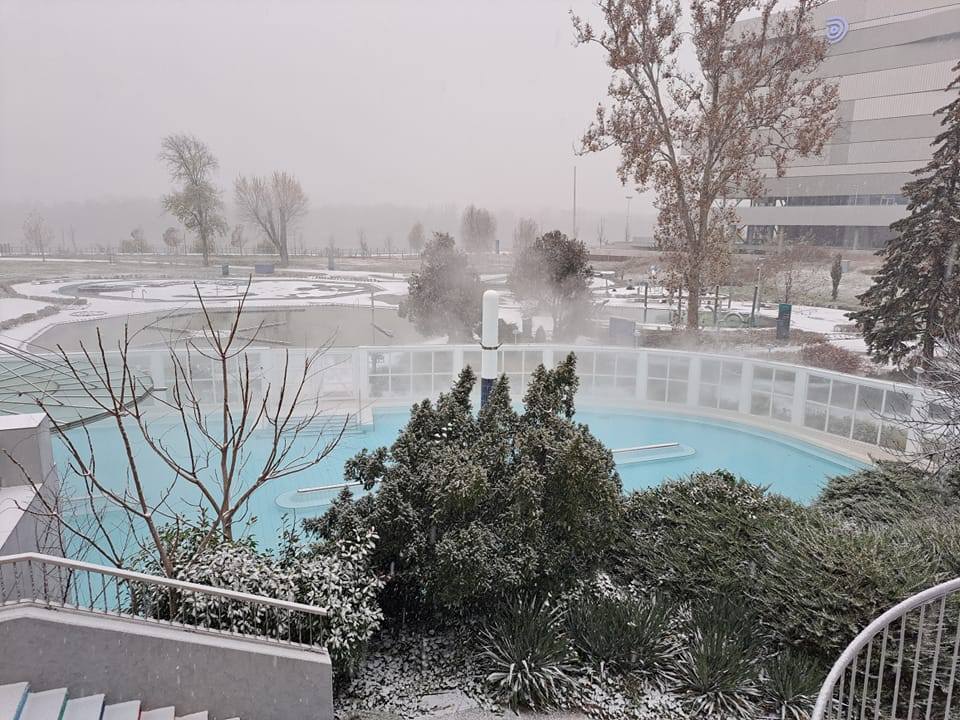
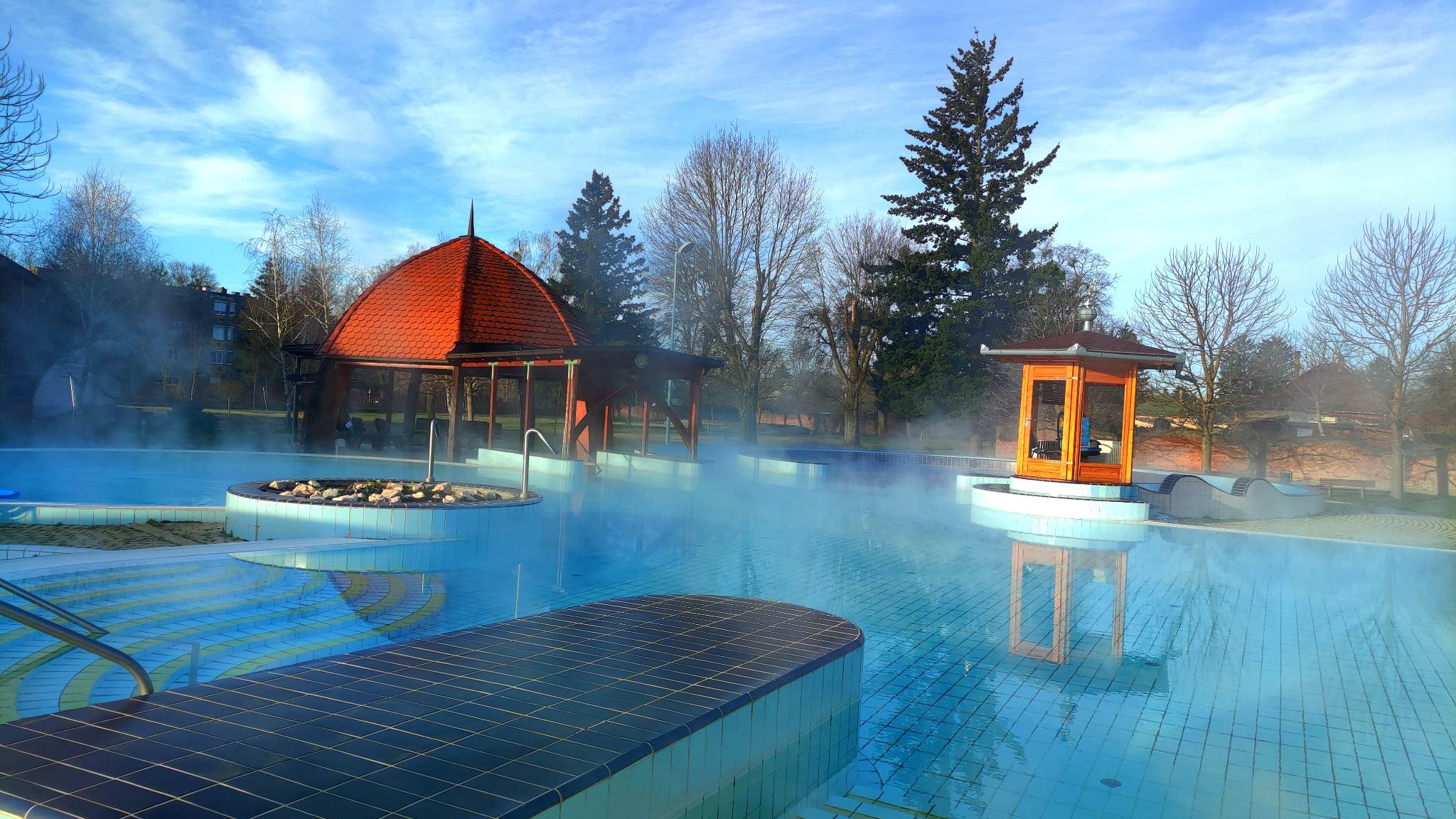
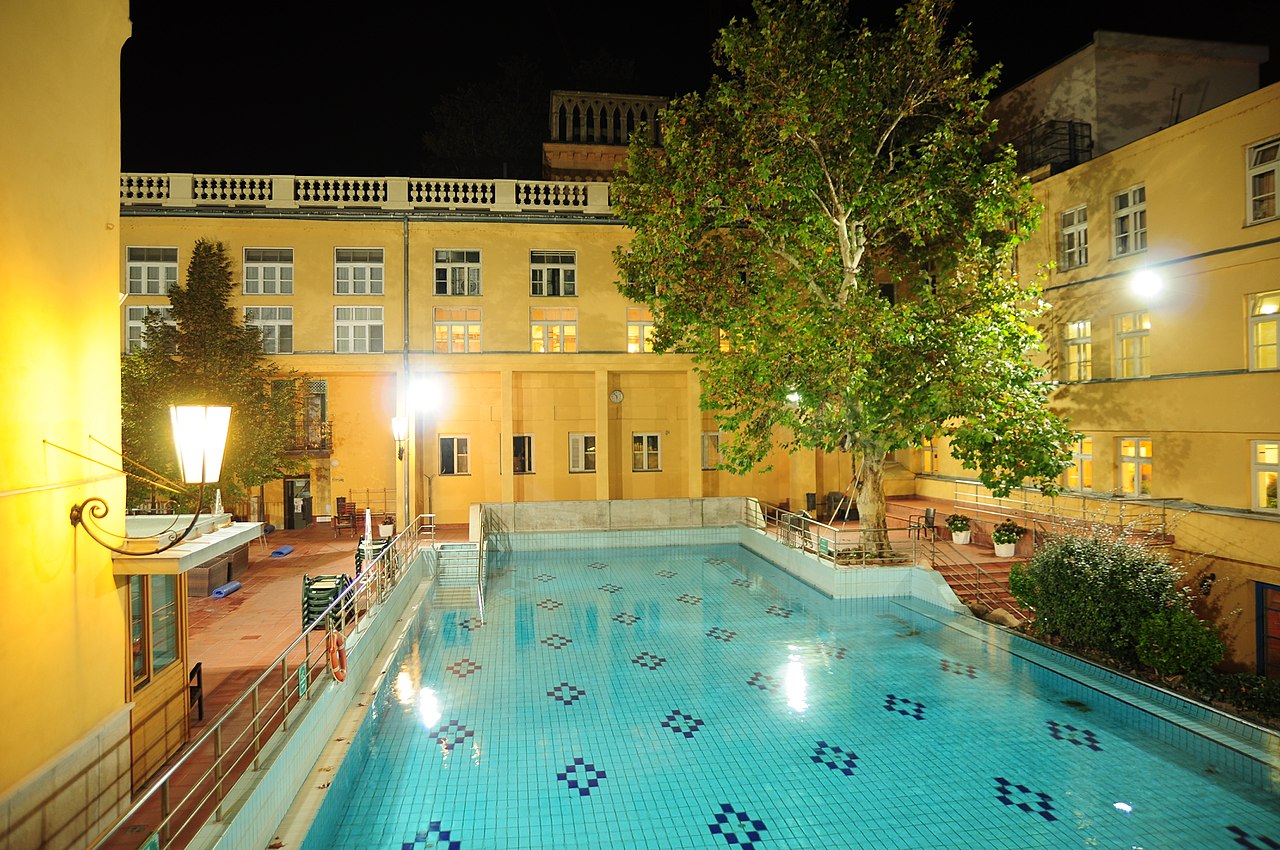
If you’ve never sat in an outdoor thermal pool temperature winter environment — steaming water, cold air above, visibility dropping to zero as evaporation creates a localised microclimate around your head — Berekfürdő is an excellent place to have that experience for the first time. Three outdoor thermal pools remain operational year-round, maintained at temperatures approaching 38°C. In winter, particularly on cold days, this creates the surreal and pleasurable combination of frozen breath and warm water.

These aren’t decorative features. The outdoor thermal pools serve the medical bathing function in an open-air setting, and they operate at temperatures calibrated for therapeutic effect rather than comfortable casual swimming. You soak. You don’t do laps. You stay in for medically recommended intervals rather than until your skin resembles a raisin. The water is the point, not the aquatic entertainment.

Beach Strand Pools: Summer Swimming and Slides

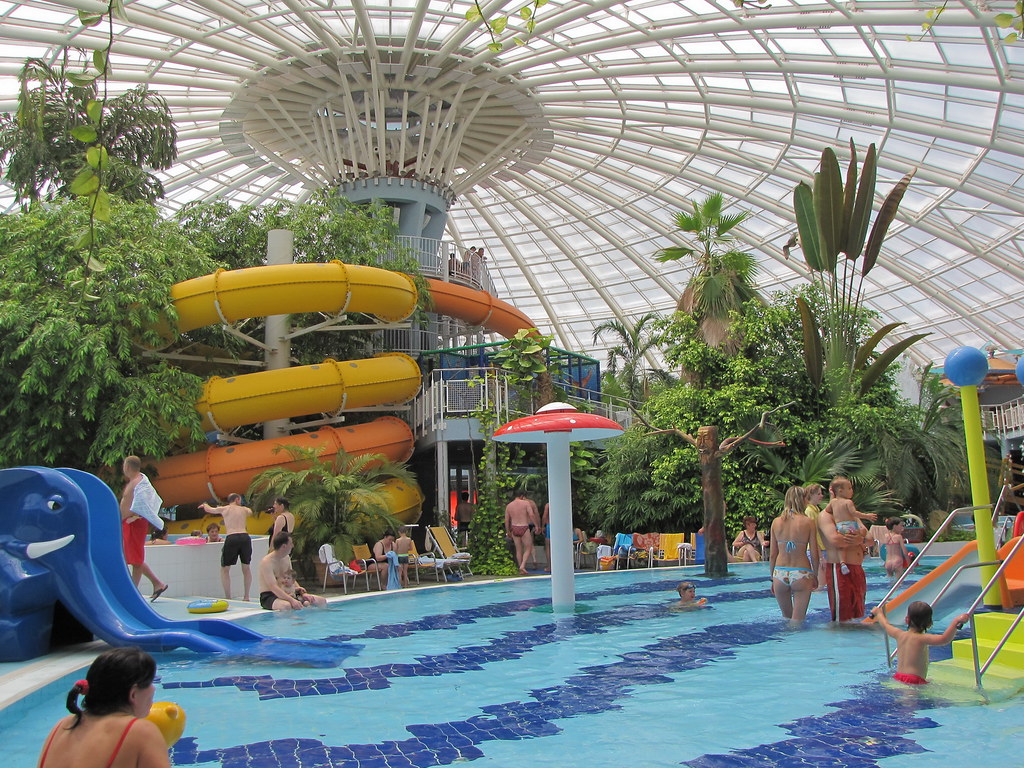
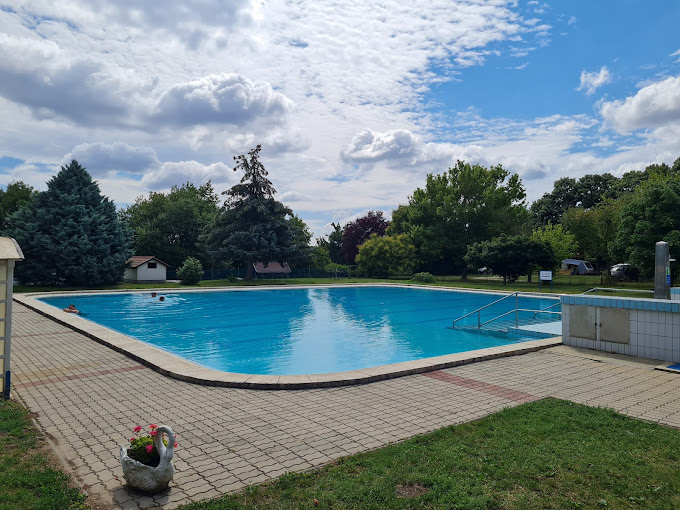
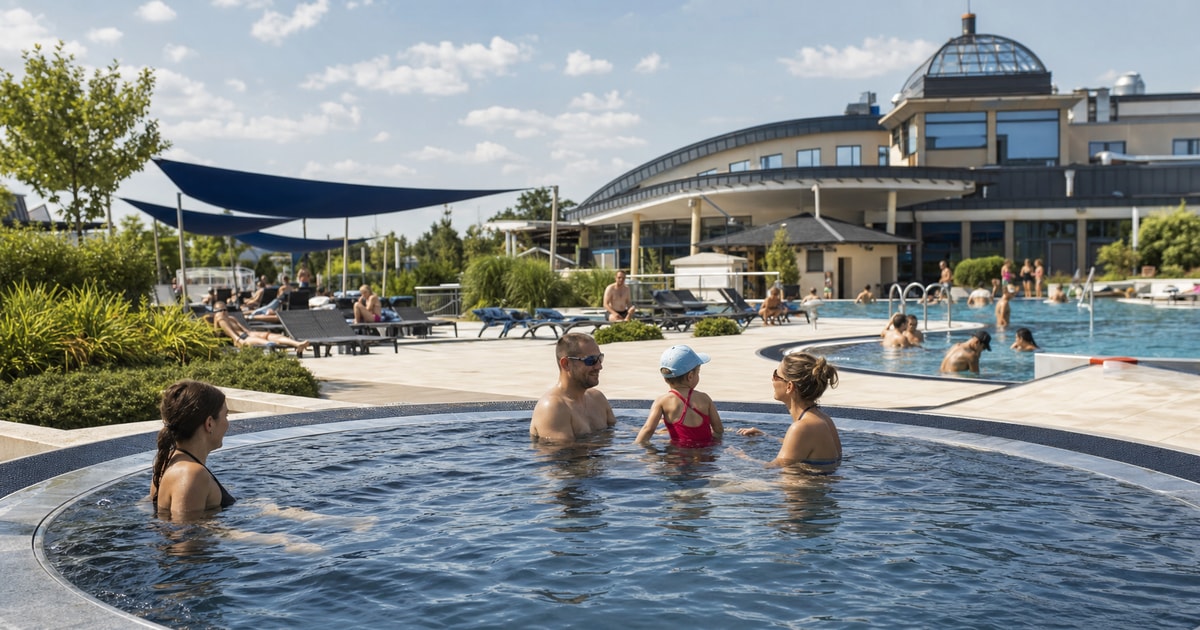
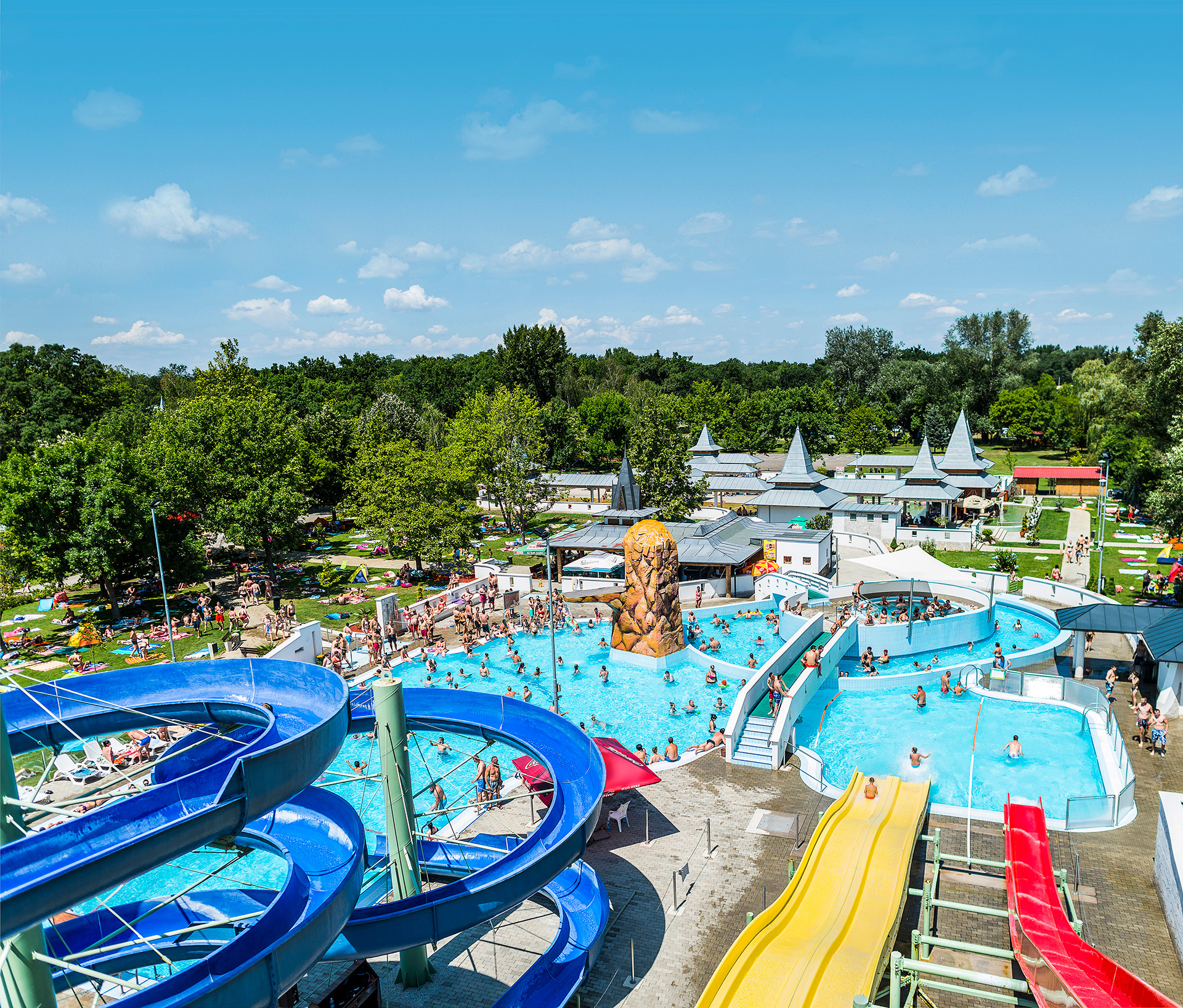
The Berekfürdő beach strand pool summer section is the facility’s recreational face — the part that makes it viable as a family day out rather than purely a medical facility. Open seasonally from roughly May through September, this section includes larger swimming pools at more comfortable temperatures, water slides, and the full strand fürdő experience that Hungarians have refined over several generations of summer use. It’s unpretentious, well-maintained, and reasonably priced in comparison to the more aggressively commercial beach baths you’ll find at Hungary’s summer tourist destinations.

The strand pools operate at temperatures appropriate for proper swimming rather than soaking — typically in the 26–30°C range — which makes them useful for exercise rather than just passive immersion. The slides and recreational features are there for the children and the adults who haven’t fully committed to becoming their parents yet.

Children’s Pools and Splash Areas

Dedicated children’s sections exist within the complex, with shallow pools and splash areas calibrated for the very young. Water temperatures in these sections are managed to be appropriate for small children — warm enough to be comfortable, cool enough not to cause the overheating issues that a medical thermal pool would create for young bodies. Height and age restrictions apply to the slides and certain facilities; more on this in the family visit section below.

Indoor Thermal Section: Year-Round Medical Pools

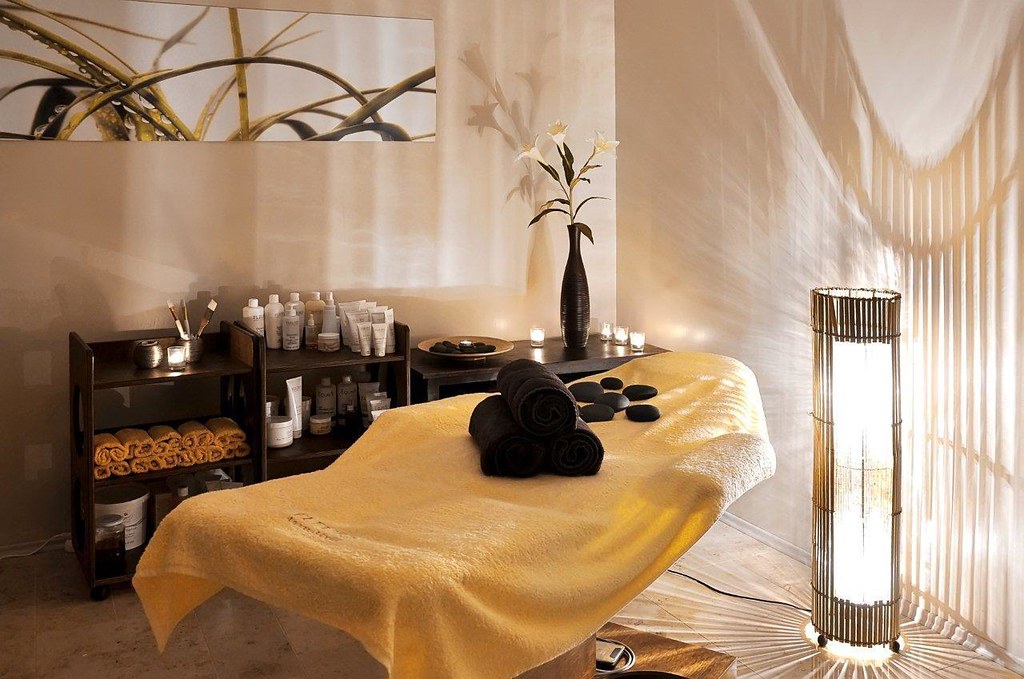
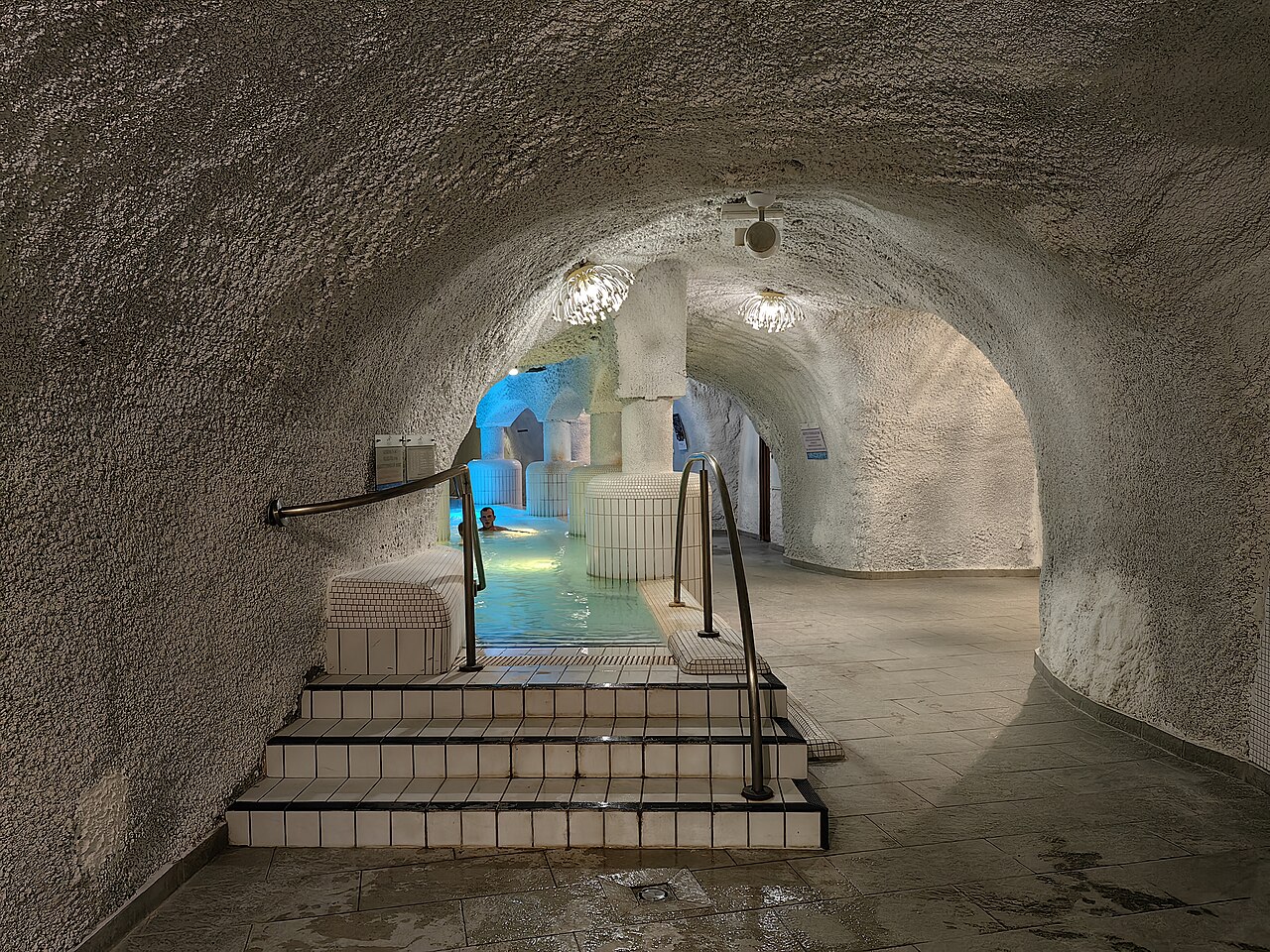
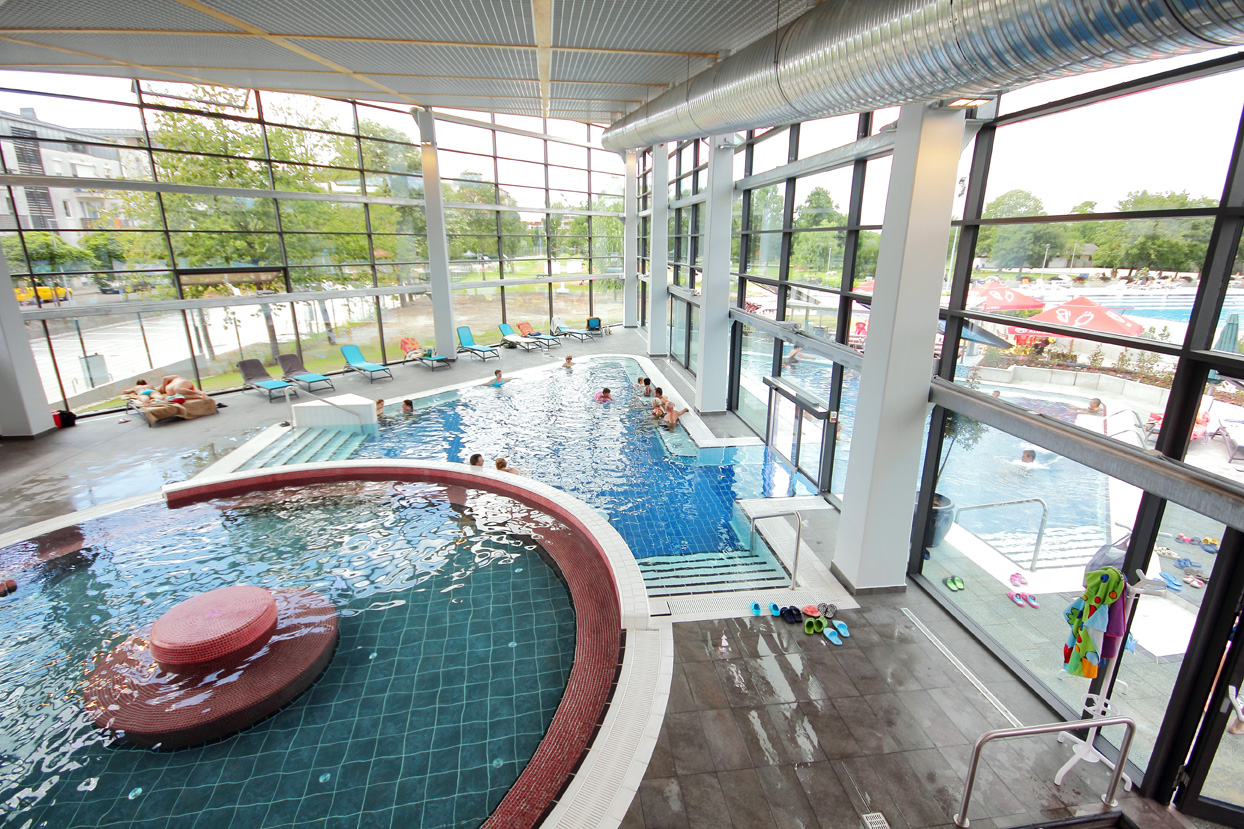
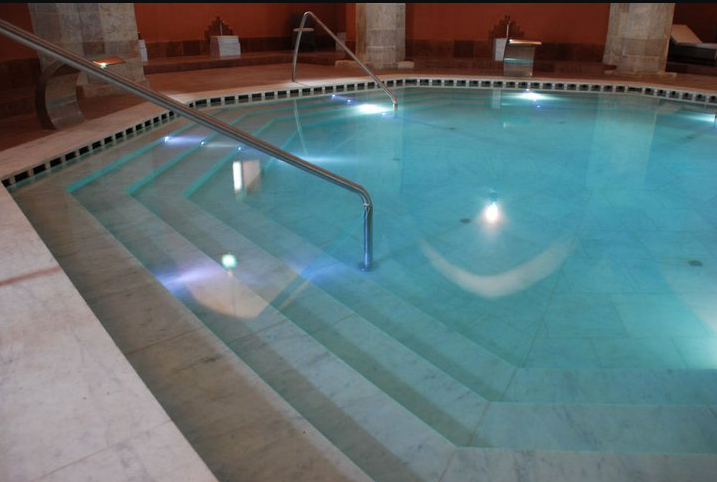
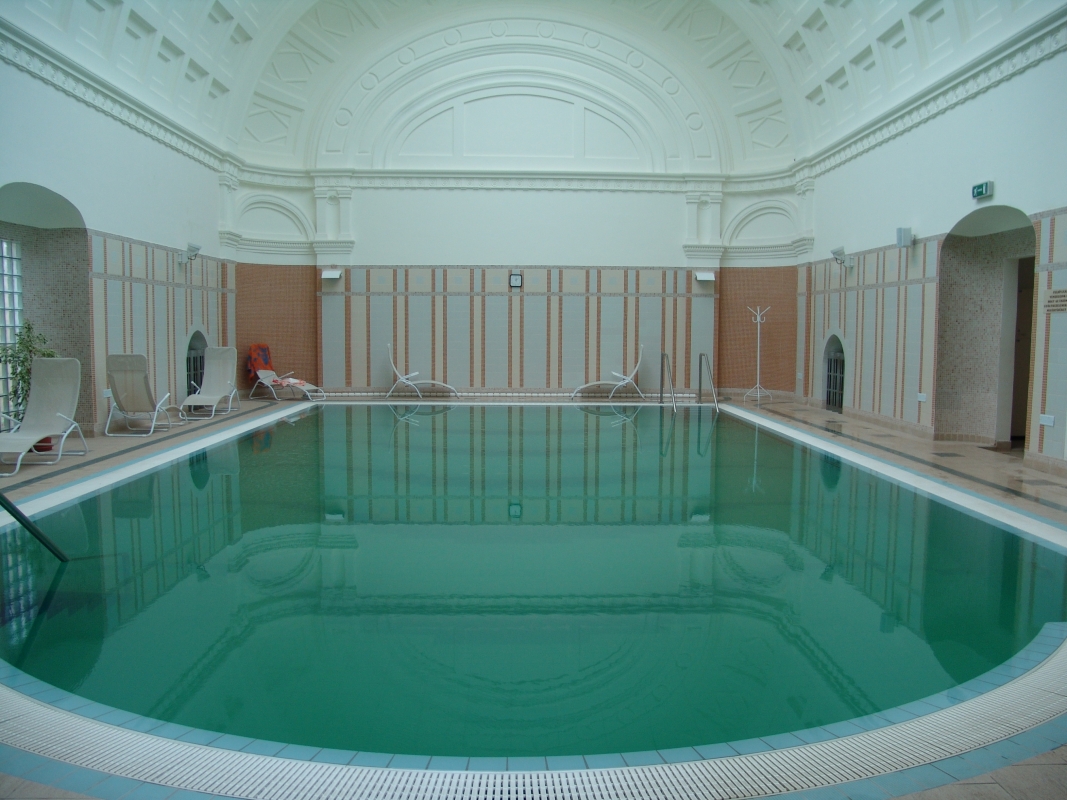
The indoor section houses the facility’s medical heart — pools where prescribed treatments are administered, where hydrotherapy takes place, and where the formal therapeutic function of the gyógyfürdő designation is delivered. Which pools are open at Berekfürdő in winter is primarily answered by this section: the indoor medical pools and the three outdoor year-round thermal pools. The indoor environment also houses treatment rooms for mud applications, physiotherapy, and the various procedures that can be accessed with a medical referral. This is not the Instagram-friendly part of the complex, but it’s arguably the most important.

Medical Treatments and the Social Security Subsidy Explained

Hungary’s national health insurance system — NEAK, formerly known as OEP — provides partial reimbursement for certain thermal spa treatments when prescribed by a doctor. This is not widely understood by visitors, including many Hungarian citizens who aren’t aware they qualify. The system exists, it works, and at Berekfürdő, it’s a meaningful financial consideration for anyone visiting for therapeutic rather than recreational purposes.

What Treatments Are Subsidised by NEAK

The social security subsidy thermal bath treatment Hungary NEAK system covers a defined list of balneological treatments at certified gyógyfürdő facilities. At Berekfürdő, this includes thermal water baths (the standard gyógyfürdő soak in medicinal water), group underwater exercise classes (hydrotherapy in the therapeutic pool, guided by a physiotherapist), and mud bath treatments (peloid applications, applied directly to the body and left for a set period). Each of these has a defined subsidy structure — NEAK pays a portion, and the patient pays a co-payment that is significantly lower than the full private rate.

The subsidy covers a course of treatment — typically 15 sessions prescribed over a defined period — rather than individual one-off visits. This is the model designed for genuine rehabilitation rather than wellness tourism, which is why it requires a medical referral rather than just showing up with a credit card.

How to Qualify: Referrals and Documentation

The process for accessing how to get subsidised thermal treatment Hungary referral is more straightforward than the bureaucratic language suggests. You need a general practitioner or specialist to issue a balneological referral (beutaló) specifying the treatment type and the indication — essentially a doctor confirming that the thermal treatment is medically appropriate for your condition. Hungarian residents with a valid TAJ card (the national health insurance card) can then present this referral at the spa’s medical reception, where the subsidy is applied directly to the treatment cost.

Non-Hungarian residents are in a more complex position. EU citizens with a European Health Insurance Card may have some eligibility, depending on bilateral agreements, but this is not guaranteed and should be verified with both your home country insurer and the spa before making plans around subsidy access. Non-EU visitors will generally pay the full private rate, which at Berekfürdő remains competitive.

Mud Baths: What to Expect and How to Book

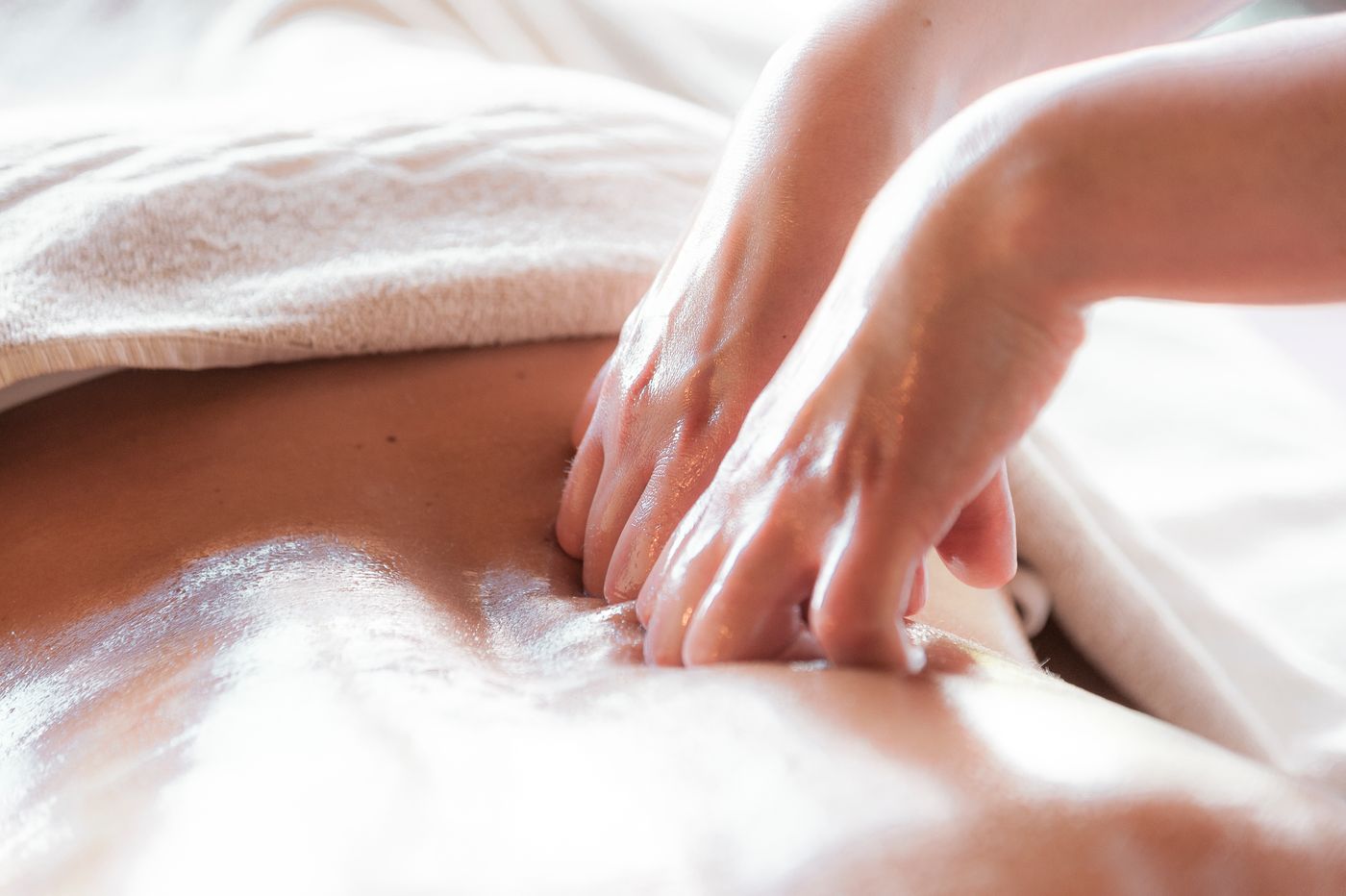
The OEP subsidised mud bath Berekfürdő treatment — now under NEAK rather than OEP branding, though Hungarians still use the old name — is a peloid application. The mud used is thermal mud with documented mineral properties, heated to a specific temperature and applied to the body in a treatment room setting. It is not a beauty spa experience. It is a warm, slightly strange, medically purposeful procedure that smells of minerals and earth, stays on your skin for a prescribed duration, and is then removed by shower before you return to the pool section.

Booking mud treatments requires either a medical referral for the subsidised version or advance arrangement with the spa’s treatment reception for private bookings. Walk-in availability exists but cannot be guaranteed, particularly during busy summer periods or the autumn/winter season when medical tourism volumes increase. Call ahead or check the spa’s official website for current booking procedures.

Group Underwater Exercise Classes: Schedule and Booking

The gyógytorna — therapeutic gymnastics in the pool — runs as group classes in the medical pool section, led by physiotherapists trained in hydrotherapy. These sessions are subsidy-eligible under the NEAK scheme and represent one of the better values in Hungarian medical tourism: professional physiotherapy in a therapeutic pool environment at subsidised prices. Classes run on a fixed schedule that changes seasonally; current timetables are available from the spa’s medical reception. Private sessions can also be arranged at full rate for those without a referral or those who prefer individual attention.

Ticket Prices and Passes (2025/2026 Season)

I’ll say this directly: exact prices at Hungarian thermal spas change seasonally and annually, and any specific figure printed in a travel article has a shelf life measured in months. What I can give you is a reliable framework — the categories that exist, the logic of the pricing structure, and estimated ranges that should remain broadly accurate for 2025/2026. Verify current figures on the spa’s official website before your visit.

General Admission: Adult, Child, and Senior Rates

The standard Berekfürdő spa ticket price 2025 2026 structure follows the typical Hungarian thermal spa model: adult day tickets, child rates (with an age threshold — typically under 14 or under 6 for free entry), and senior/pensioner discounts available with appropriate identification. Adult day tickets are estimated in the 2,500–4,000 HUF (~$7–11) range, which positions Berekfürdő as one of the more affordable gyógyfürdő facilities in Hungary. Child tickets run approximately 1,500–2,500 HUF (~$4–7).

Seasonal variation applies: summer strand season pricing may differ from winter thermal-only pricing, reflecting the additional facilities available and the difference in operating costs. Some facilities offer afternoon entry discounts — worth checking if you’re planning a later arrival. The medical bath section has separate pricing from general admission; see below.

Family Passes and Group Discounts

The Berekfürdő family day pass cost typically covers two adults and two children at a combined rate that represents a meaningful saving over individual tickets. Group discounts are available for organised groups above a minimum headcount — the threshold varies but is typically around 10–15 people. School groups and senior organisations can access additional rates. If you’re arriving as a group larger than four, it’s worth calling ahead to confirm current group pricing rather than assuming the rate at the ticket window.

Season Passes and Loyalty Options

The Berekfürdő season pass gyógyfürdő option is primarily relevant for residents of Berekfürdő and the surrounding region — those who will use the facility regularly enough for an annual or seasonal pass to make financial sense. Season passes are available and priced for genuine regulars rather than occasional tourists. If you’re staying locally for an extended medical treatment course, this may be worth calculating against your expected visit frequency.

Medical Bath Pricing vs. General Admission

Medical bath treatments are priced separately from general admission and require either a NEAK referral for subsidised access or payment of the full private rate. The medical section is not included in a standard day ticket — access to the treatment pools and therapeutic procedures involves a separate administrative and pricing process through the medical reception. This distinction matters if you’re arriving expecting general admission to cover the full facility: it won’t. Budget separately for any medical treatments, and confirm the current private rates in advance if you’re coming without a referral.

💶 Price Comparison Table

Venue / Service Ticket / Rate Estimated Price
Berekfürdői Gyógy- és StrandfürdőAdult day ticket (estimated)~2,500–4,000 HUF (~$7–11)
Berekfürdői Gyógy- és StrandfürdőChild day ticket (estimated)~1,500–2,500 HUF (~$4–7)
Berekfürdő CampingTent pitch per night (estimated)~2,000–4,000 HUF (~$6–11)
Hortobágy CsárdaTraditional Hungarian main course3,500–6,000 HUF (~$10–17)
Hajdúszoboszló Thermal Spa (comparison)Adult day ticket~5,500–7,500 HUF (~$15–21)
Hévíz Thermal Lake (comparison)Adult 3-hour ticket~5,000–6,500 HUF (~$14–18)
Széchenyi Baths Budapest (comparison)Adult locker ticket~8,200–9,500 HUF (~$23–27)
MÁV-START InterCityBudapest Keleti to Karcag (2nd class)~3,500–5,500 HUF (~$10–15)

All prices estimated. Verify current rates directly with each venue before visiting.

Opening Hours by Season: When to Visit and When to Skip

Berekfürdő operates two distinct seasonal modes, and getting this wrong will result in standing outside a locked gate staring at a deserted beach pool in October. Know the schedule before you drive two hours from Budapest.

Summer Season Hours (May–September)

The Berekfürdő opening hours summer period typically runs from early May through late September, with the full facility operational — beach strand pools, slides, children’s sections, outdoor thermal pools, and the medical section all running simultaneously. Daily opening is typically from the early morning (around 8:00–9:00), with closing in the early evening. Extended hours may apply during peak July–August weekends. The facility is busiest on weekends during this period, particularly in July and August when Hungarian domestic holiday travel peaks.

Winter Thermal Hours (October–April)

The answer to is Berekfürdő open in winter is yes, but with reduced scope. The beach strand pools and seasonal water features close at the end of the summer season. What remains open year-round is the medical thermal section — the indoor pools, the treatment rooms, and the three outdoor thermal pools that operate at near-38°C regardless of air temperature. Winter hours are typically shorter than summer hours and may vary on public holidays. This is the period when the medical tourism function dominates — the people here in January are mostly here for treatments, not recreational swimming.

Best Times to Visit: Crowd Patterns by Day and Month

For the quietest time to visit Berekfürdő avoid crowds, the answer is simple: weekday mornings in spring (April–May before peak season) or autumn (September–October as summer visitors thin out). The pools are nearly empty, the lángos queue is short, and you can actually hear yourself think in the thermal section. Avoid Hungarian public holidays at all costs — particularly the August 20th national holiday weekend, when every thermal bath in the country operates at maximum capacity and the atmosphere shifts from relaxed to competitive.

Pro Tip: Arriving on a Tuesday or Wednesday morning in June or September gives you the best combination of full summer facilities and near-empty pools. The same 38°C water, roughly a quarter of the people. Weekends in July are a different universe entirely — manageable, but nothing like the weekday experience.

How to Get to Berekfürdő: From Budapest, Debrecen, and Beyond

Getting to Berekfürdő requires either a car or a commitment to Hungary’s regional public transport network that borders on the philosophical. The spa is in the middle of the Great Plains, which is simultaneously the most obvious and the most geographically inconvenient place for it to be. Here’s the realistic breakdown of your options.

Driving from Budapest: Route and Journey Time

The how to get to Berekfürdő from Budapest by car answer: take the M4 motorway east toward Debrecen, exit at Karcag, and follow the local road signs to Berekfürdő — which sits approximately 15km northeast of Karcag town centre. Total distance is approximately 170km, and journey time runs 1.5 to 2 hours depending on traffic leaving Budapest and whether you get stuck behind agricultural machinery on the final approach road. The M4 is well-maintained and the journey is largely uneventful — flat horizon, occasional farm machinery, the occasional windmill.

Driving from Debrecen: The Eastern Approach

From Debrecen, Berekfürdő is roughly 60km southwest — approximately 45–60 minutes by car on regional roads. The route passes through characteristic Great Plains landscape: flat, agricultural, occasionally interrupted by small towns. If you’re combining Berekfürdő with a visit to Hajdúszoboszló (which is between Debrecen and Karcag), this eastern approach allows a logical triangle route without significant backtracking.

Public Transport: Buses and the Nearest Train Station

The public transport Berekfürdő bus from Karcag route is the key connection. MÁV-START InterCity trains run from Budapest Keleti station to Karcag with reasonable regularity — journey time approximately 1.5–2 hours for the InterCity services, longer for slower regional trains. From Karcag railway station, Volánbusz operates local bus services to Berekfürdő. The connection isn’t always immediate and involves waiting for a bus that may run infrequently, particularly on weekends and outside peak hours.

I’ll be straight up: the public transport option is possible but involves more patience than the driving alternative. Check current Volánbusz timetables from Karcag before committing to this approach — the schedule has gaps that can turn a day trip into an adventure in waiting. For anything more than a quick visit, renting a car or joining a group with a vehicle is significantly more practical.

Karcag Railway Station
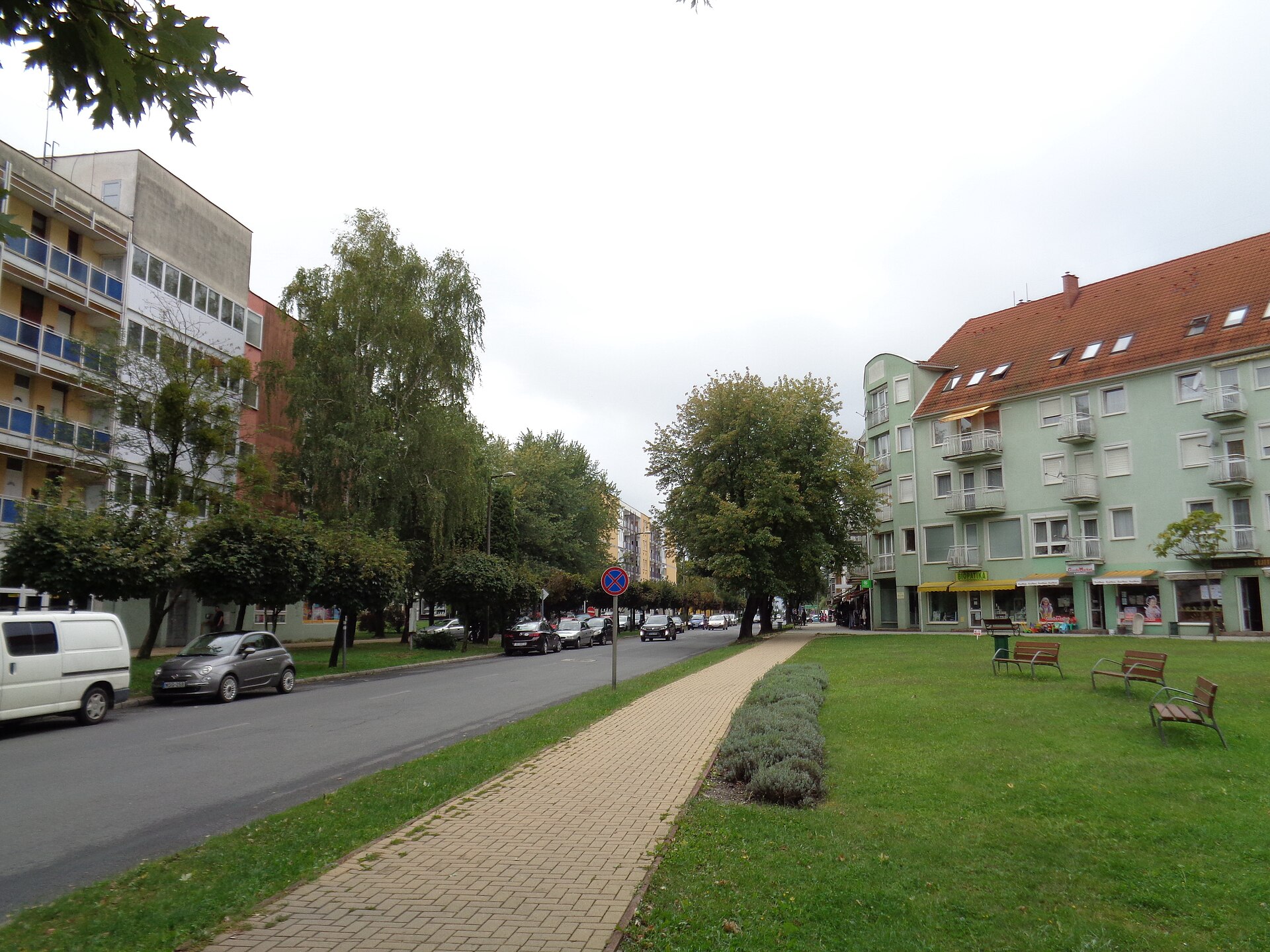
Karcag Railway Station Karcag Railway Station Karcag Railway Station Karcag Railway Station
Fridrik Szilárd | Ferenc Oláh | Ágnes Csatáry | Világjáró tömegközlekedő | Kovács Ákos

📍 Karcag Railway Station

Karcag (nearest major rail hub)

Hours: Regular InterCity service from Budapest Keleti; check MÁV-START website for current timetables. Price: ~3,500–5,500 HUF 2nd class Budapest–Karcag.

Parking at the Complex

The spa complex has dedicated parking adjacent to the entrance — a functional, relatively large car park that handles normal visitor volumes comfortably. On peak summer weekends, early arrival is advisable as the parking area fills up by mid-morning. No complex multi-level car park systems or timed-zone confusion: you park, you walk to the entrance, you pay at the ticket window. The system works.

Accessibility: Barrier-Free Visitor Information

The Berekfürdő parking accessibility disabled visitors situation: the complex has provisions for visitors with mobility limitations, including accessible changing facilities and pool entry points. The site is relatively flat, which helps — the Great Plains geography means there are no significant level changes to navigate. However, confirm current accessibility specifics directly with the spa before visiting, as facility details change with renovations and seasonal configurations. Dedicated accessible parking spaces are available adjacent to the entrance.

Accommodation Options: Camping, Guesthouses, and On-Site Stays

Staying overnight near Berekfürdő dramatically changes the experience from a rushed day trip into something more valuable — particularly if you’re there for medical treatments that benefit from multiple sessions over consecutive days, or if you want to combine the spa with a proper Hortobágy exploration. The accommodation options range from cheap camping to modest guesthouses, with more substantial hotel options in nearby Karcag.

On-Site Camping: Pitch a Tent, Walk to the Pools

Camping next to thermal bath Hungary Berekfürdő is one of those combinations that makes complete practical sense and yet feels like a minor miracle in the context of European spa tourism. The campground sits adjacent to the spa complex, meaning your morning routine involves a short walk rather than a car journey. Pitches are available for tents and caravans during the summer season (typically May–September). Estimated prices run ~2,000–4,000 HUF (~$6–11) per night per pitch — which, when you factor in the proximity to the pools and the general cost of Hungarian camping, represents excellent value.

The campground has the basic amenities: shower facilities, toilets, electricity hookups for caravans. It is not a boutique glamping experience with artisanal coffee and ambient lighting. It is a campground where you sleep, wake up, and walk to a thermal pool. Book ahead for peak July–August weekends as pitches fill — particularly with Hungarian families who’ve been returning to the same spot for twenty years.

Berekfürdő Camping
Berekfürdő Camping Berekfürdő Camping Berekfürdő Camping Berekfürdő Camping
Martin Moravec | Tomasz Jasiak | Zbynek V | Petr Jirman

📍 Berekfürdő Camping

On-site at the spa complex, Berekfürdő

Hours: Open May–September. Price: ~2,000–4,000 HUF per night per pitch.

Guesthouses and Pensions in Berekfürdő Village

Berekfürdő accommodation guesthouse options within the village itself are modest but functional. Small family-run pensions and vendégházak (guesthouses) in the village offer basic rooms at very competitive prices — think clean, simple, Hungarian countryside hospitality rather than boutique hotel design. These establishments typically include breakfast and have parking. For extended medical treatment stays, a guesthouse in the village makes particular sense: close enough to walk to the spa, cheap enough to stay for a week without financial anxiety.

Nearby Hotels: Karcag and the Wider Region

Karcag town, 15km from Berekfürdő, offers a broader range of accommodation including three-star hotels and more contemporary options than the village itself provides. Hajdúszoboszló — about an hour away — has extensive hotel infrastructure built around its larger spa resort, though staying there and day-tripping to Berekfürdő defeats much of the purpose of visiting the quieter spa. For visitors wanting comfortable hotel accommodation with day access to Berekfürdő, Karcag is the logical base.

Budget Comparison: Berekfürdő vs. Hungary’s Pricier Spa Towns

The budget spa town Hungary camping thermal pools calculation heavily favours Berekfürdő. A full day at the spa with campground accommodation runs, in total, significantly less than a single night at a hotel in Hévíz, Hajdúszoboszló’s hotel zone, or anywhere adjacent to the Budapest bath complex. For budget-conscious travellers who want genuine thermal bathing rather than a wellness hotel package, the cost arithmetic is persuasive.

The Hortobágy Day-Trip Combo: UNESCO Puszta Meets Thermal Bathing

The geographical argument for combining Berekfürdő with Hortobágy National Park is simply too strong to ignore. You’re already on the Great Plains. The park is fifteen minutes from the spa. The thermal bathing takes care of the morning, the UNESCO steppe takes care of the afternoon, and you end up with a distinctive Hungarian day that goes beyond any single attraction. Here’s how it works logistically.

Why This Combo Works: Distance and Logistics

The Berekfürdő Hortobágy day trip itinerary logic is straightforward. Berekfürdő opens early; the thermal pools are at their best in the morning when the day hasn’t heated up yet and the crowds haven’t arrived. Spend the morning soaking, leave the spa by midday or 1pm, and drive the 15–20km to Hortobágy proper for the afternoon. The national park’s visitor facilities — the bridge, the csárda, the horse demonstrations — operate primarily in the afternoon visiting window. The timing works almost without effort.

Hortobágy Highlights: What to See After the Baths

The thermal bath and UNESCO national park Hungary combined experience is anchored in Hortobágy’s core offerings: the nine-arch stone bridge (Hungary’s longest stone bridge, photogenic in the afternoon light), the traditional puszta activities including Hungarian grey cattle herding and the famous csikós horsemen demonstrations, the Hortobágy National Park visitor centre, and the migratory bird spectacle that draws ornithologists from across Europe each autumn. The landscape itself — flat to the point of philosophical inquiry, interrupted only by the occasional well sweep — is the attraction. The puszta is what most of Hungary looked like before agriculture rearranged it.

Hortobágy National Park
Hortobágy National Park Hortobágy National Park Hortobágy National Park Hortobágy National Park
Aleksandra Krauzowicz | Balázs Czél | Zdeněk Pavelčák | Norbert Kiss | Anita Bószáné Peschl

📍 Hortobágy National Park

Hortobágy, Petőfi tér 1

Hours: Year-round; visitor centre seasonal — check current hours. Price: Free entry to park; paid attractions vary.

Sample Itinerary: Thermal Morning, Puszta Afternoon

A practical things to do near Berekfürdő Great Plains day: arrive at Berekfürdő when the gates open, spend 3–4 hours between the outdoor thermal pools and the beach strand section, eat lunch at the spa’s snack bar or at a local vendéglő in the village, drive to Hortobágy (15–20 minutes), spend the afternoon at the national park including the bridge and any scheduled horse demonstrations, finish with dinner at the Hortobágy Csárda before driving back toward Budapest or your accommodation. The return drive from Hortobágy to Budapest is approximately 170km — similar to from Berekfürdő — so the logistics don’t significantly extend the journey.

Hortobágy Csárda
Hortobágy Csárda Hortobágy Csárda Hortobágy Csárda Hortobágy Csárda
leos fotos | Hortobágyi Csárda | Zoltán Katona | Feri Vankó

📍 Hortobágy Csárda

Hortobágy, Petőfi tér 2

Hours: Daily lunch and dinner service. Price: Traditional Hungarian mains 3,500–6,000 HUF (~$10–17).

Lake Tisza: Adding a Third Dimension to Your Trip

For visitors with more than a single day, Lake Tisza — Hungary’s second-largest lake and one of the country’s more significant inland water ecosystems — sits within reasonable distance of Berekfürdő and adds water-based recreation to an already water-heavy itinerary. The lake offers kayaking, cycling routes along the shore, and fishing, plus additional bird-watching opportunities for the ornithologically inclined. It’s a natural extension of the Great Plains day-trip circuit for those who’ve decided to base themselves at Berekfürdő for a weekend rather than treating it as a single day out.

Family Visit Guide: Kid-Friendly Areas, Age Rules, and Practical Logistics

Taking children to a thermal spa requires more advance planning than adults give it credit for. The combination of hot water, age restrictions, changing logistics, and the sheer logistical complexity of managing small humans in a wet environment means that arriving with information is significantly better than arriving without it.

Children’s Pools and Play Areas: What’s Available

The Berekfürdő family visit children’s pools age restrictions situation: the complex has dedicated shallow pools and splash areas calibrated for young children — water depths appropriate for under-6s, temperatures managed to be comfortable rather than therapeutically hot. The beach strand section in summer includes water features and slides designed for older children. The ratio of children’s facilities to adult facilities is reasonable for a facility of this size, without being a dedicated water park.

Age and Height Restrictions: What to Know Before You Go

The medical thermal pools have minimum age restrictions — typically children under 14 are not admitted to the gyógyfürdő section, which operates at temperatures that are not appropriate for small bodies. The slides have height restrictions that follow standard aquatic park safety guidelines. These restrictions exist for straightforward medical and safety reasons; they’re not arbitrary bureaucracy. Know them before your visit to avoid disappointment at the pool gate. Confirm current restrictions with the spa directly as these can change between seasons.

Changing Facilities, Lockers, and Practical Logistics

The Berekfürdő facilities changing rooms lockers food situation is practical rather than luxurious. Changing cabins, locker rooms, and shower facilities exist in adequate quantities for the facility’s size. Locker rental involves a deposit system — bring coins or small bills. The changing rooms are separated by gender in the standard Hungarian spa configuration. Family changing areas may be available but are limited; arriving early during peak season gives you better access to facilities before they fill up.

Food Inside the Complex: Snack Bars and Restaurant Options

The on-site food situation is the standard thermal spa snack bar arrangement: lángos (deep-fried flatbread with toppings), ice cream, cold drinks, basic grilled items during summer. It’s functional, affordable, and exactly what you need to fuel a long day at the pools without having to leave the complex. A lángos with tejföl and cheese runs a few hundred forints — this is not fine dining, but it doesn’t need to be. Bring your own snacks for children with specific dietary requirements as catering options are limited.

Family Packing Checklist for a Full Day at Berekfürdő

The what to bring to Berekfürdő spa day trip essentials: swimwear for everyone (rentals are not standard at Hungarian thermal spas), towels (rental exists but is basic), flip-flops or pool shoes for the wet areas, water shoes for children on the strand section, sunscreen in quantities you think are excessive and then double, cash for lockers and snack bar purchases, any medical documentation if accessing the gyógyfürdő section, and the patience to locate a car park spot on a busy Saturday in August. Bring your own water bottle — hydration after extended thermal soaking is not optional, it’s a medical basic.

Frequently Asked Questions

The questions people actually have before visiting Berekfürdő thermal spa — answered without the usual travel guide evasiveness about pricing and practicalities.

Is Berekfürdő open in winter?

Yes — the medical thermal section and three outdoor thermal pools at nearly 38°C remain open year-round. The beach strand pools and slides are seasonal, typically closing at the end of September and reopening in May. The winter experience is worthwhile: steam rising off open pools in cold air is one of those simple pleasures that doesn’t require any particular enthusiasm for wellness tourism to appreciate. Confirm exact winter hours directly with the spa before visiting, as holiday schedules and maintenance closures apply.

How much does it cost to visit Berekfürdő spa?

Exact prices change seasonally — check the official spa website for current 2025/2026 rates. The estimated range for adult day tickets is ~2,500–4,000 HUF (~$7–11), with child tickets at approximately ~1,500–2,500 HUF (~$4–7). The complex offers adult, child, senior, and family ticket categories, plus season passes. Medical bath treatments have separate pricing and may be partially covered by NEAK social security for eligible visitors. The Berekfürdő spa frequently asked questions about price always need the same caveat: verify before you go.

Can I get subsidised treatments at Berekfürdő?

Yes. Thermal water baths, group underwater exercise classes, and mud baths are subsidised by Hungary’s NEAK national health insurance. You need a doctor’s referral specifying the treatment. Hungarian residents with a valid TAJ card can access these subsidies directly. Non-residents should check eligibility with their insurer before assuming coverage — the situation varies by nationality and bilateral health agreements. EU citizens with a European Health Insurance Card may have partial eligibility.

How do I get to Berekfürdő from Budapest?

By car: approximately 170km via the M4 motorway toward Karcag, then follow signs to Berekfürdő — around 1.5–2 hours. By public transport: take an InterCity train from Budapest Keleti to Karcag, then a local Volánbusz connection to Berekfürdő. Check MÁV-START and Volánbusz for current schedules before travelling — the bus connection from Karcag is infrequent and timing matters. Driving is strongly recommended for anything other than a solo visit without luggage.

Is Berekfürdő good for children?

Yes — the complex has dedicated children’s pools and splash areas, and the beach strand section in summer has slides and family-oriented facilities. Some thermal and medical areas have minimum age restrictions (typically 14 for the medical thermal pools). Bring swimwear, towels, flip-flops, and water shoes for children as these are not typically available to rent. The is Berekfürdő worth visiting question for families has a clear affirmative answer, particularly if you’re looking for affordable summer water entertainment combined with the option for adults to do something therapeutic simultaneously.

What is the difference between Berekfürdő and Hajdúszoboszló?

Hajdúszoboszló is larger, more commercialised, and significantly more crowded — particularly in summer, when it operates with the energy of a small city entirely devoted to water. Berekfürdő offers a quieter, more local atmosphere, lower prices, and essentially the same Great Plains thermal water experience. Hajdúszoboszló has more water park infrastructure and a wider range of adjacent hotel accommodation. Berekfürdő has the Hortobágy proximity, the gyógyfürdő medical focus, and the kind of uncrowded pools that remind you why thermal bathing was appealing in the first place. For budget travellers and those who find tourist-density exhausting, Berekfürdő is the stronger choice.

Can I camp at Berekfürdő?

Yes. There is an on-site campground adjacent to the spa complex, making it one of Hungary’s few remaining camp-and-bathe destinations. Pitches are available for tents and caravans during the summer season at approximately ~2,000–4,000 HUF (~$6–11) per night per pitch. Prices are significantly lower than spa hotel accommodation in comparable destinations. Book ahead for peak July–August weekends — the campground has a loyal returning clientele who reserve spots early. Basic facilities (showers, toilets, caravan hookups) are included.

📍 Essential Info: Berekfürdői Gyógy- és Strandfürdő

AddressBerekfürdő, Berek utca, Jász-Nagykun-Szolnok County, Hungary
Official Websitefurdo.berekfurdo.hu
Summer HoursMay–September, daily from ~8:00–9:00; confirm exact hours before visiting
Winter HoursOctober–April, thermal/medical section year-round; reduced hours — verify before visiting
Adult Ticket (est.)~2,500–4,000 HUF (~$7–11)
Child Ticket (est.)~1,500–2,500 HUF (~$4–7)
From Budapest~170km via M4 motorway; 1.5–2 hours by car; IC train to Karcag then Volánbusz
From Debrecen~60km southwest; 45–60 minutes by car
CampingOn-site, May–September; ~2,000–4,000 HUF per pitch per night
Nearest TrainKarcag Railway Station (regular IC service from Budapest Keleti)
Hortobágy Distance~15–20km; 15-minute drive

Prices verified: February 2026. All prices are estimates — verify current rates directly with the spa before visiting.

Written by Zoli. Prices verified: February 2026. All ticket prices and treatment costs are estimates based on available information and subject to change without notice. Verify current rates, opening hours, and NEAK subsidy eligibility directly with Berekfürdői Gyógy- és Strandfürdő before your visit.