🎯 TL;DR

Budapest’s wine bar scene showcases 22 Hungarian wine regions through intimate venues like Kadarka (200+ labels), DiVino (150+ varieties with Danube views), and Palack (weekly blind tastings). Expect 2,500-4,500 HUF (~$7-12 USD) per glass for local wines, with most bars open until midnight daily. February 2026 remains Budapest’s wine bar golden age—cozy corners, knowledgeable staff, and zero pretension.

📋 Budapest Wine Bar Scene at a Glance

Best ForWine enthusiasts, cultural explorers, romantic evenings
Time Needed2-3 hours per bar (allow time for tastings and conversation)
Cost2,500-4,500 HUF (~$7-12 USD) per glass; tasting flights 8,000-15,000 HUF (~$22-40 USD)
HoursMost bars: Mon-Sat 4 PM-midnight, Sun 4 PM-10 PM
Getting ThereJewish Quarter bars: Metro M2 Blaha Lujza or M1/M2/M3 Deák Ferenc; Buda side: M2 Batthyány tér
Skip IfYou prefer bustling pub atmospheres over intimate wine conversations

Kadarka Wine Bar: The Local’s Living Room

Kadarka represents everything I love about Budapest’s wine culture—unpretentious, inclusive, and thoroughly Hungarian. This Jewish Quarter institution serves around 200 local wines from all 22 wine regions, with roughly 100 bottles perpetually uncorked and preserved through electric vacuum systems, making it an ideal introduction to Hungarian wine traditions.

Walking into Kadarka feels like entering a friend’s apartment where the wine collection happens to be exceptional. The clientele skews local and 30-plus, creating conversations that flow as smoothly as the Furmint in your glass. Named after Hungary’s indigenous red grape variety—spicy, medium-bodied, with notes of sour cherry and white pepper—this bar champions the very essence of Hungarian viticulture without the sommelier pretension you’d find in Western European capitals.

What sets Kadarka apart is its half-glass option. For 1,800-3,200 HUF (~$5-9 USD), you can sample a smaller pour, while full glasses range from 2,800-4,800 HUF (~$8-13 USD). This pricing structure encourages exploration rather than commitment, perfect for navigating unfamiliar varietals like Juhfark from Somló or Kékfrankos from Sopron.

The atmosphere remains decidedly low-key. Wooden tables, minimal decor, wine-stained menus, and staff who treat wine education as conversation rather than lecture. You won’t find lengthy descriptions of “terroir-driven expressions” here—just straightforward recommendations based on what you actually enjoy drinking.

🍷 Kadarka Wine Bar

  • Address: Király utca 42, Budapest 1077
  • Hours: Mon-Sat 4:00 PM-12:00 AM, Sun 4:00 PM-10:00 PM
  • Glass prices: 2,800-4,800 HUF (~$8-13 USD)
  • Vibe: Neighborhood hangout with serious wine credentials
  • Reservation: Walk-ins usually fine, book ahead Friday-Saturday evenings

kadarkawinebar.com

Kadarka Wine Bar

📍 Kadarka Wine Bar

Király utca 42, Budapest 1077

  • Hours: Mon-Sat 4:00 PM-12:00 AM, Sun 4:00 PM-10:00 PM
  • Price: 2,800-4,800 HUF (~$8-13 USD) per glass

DiVino: Panoramic Pours and Premium Labels

If Kadarka represents Budapest’s wine democracy, DiVino embodies its cosmopolitan ambitions. With locations on both sides of the Danube, this upscale wine bar chain delivers exceptional Hungarian wines paired with postcard-worthy views including St. Stephen’s Basilica, creating a sophisticated atmosphere perfect for discovering Hungary’s premium producers from Villány, Tokaj, and Eger while enjoying architectural masterpieces.

The Buda location near St. Stephen’s Basilica offers the most dramatic setting. Floor-to-ceiling windows frame views of the illuminated basilica, while across the river, the Parliament building’s Gothic Revival silhouette dominates the skyline. The wine list spans 150+ varieties, heavily weighted toward premium Hungarian producers from Villány, Tokaj, and Eger.

DiVino’s strength lies in its curation. Rather than overwhelming guests with every Hungarian label imaginable, the selection focuses on acclaimed wineries producing internationally competitive wines. Expect bottles from Attila Gere, Erzsébet Pince, and Dereszla—names that command respect among Hungarian wine aficionados.

Glass prices reflect the upscale positioning: 3,500-6,500 HUF (~$10-18 USD) for most pours, with reserve selections climbing to 8,000 HUF (~$22 USD). The atmosphere skews touristy compared to neighborhood joints like Kadarka, but the staff’s wine knowledge remains impressive, and English fluency makes this accessible for international visitors navigating Hungarian wine for the first time.

The cheese and charcuterie boards (5,500-8,500 HUF / ~$15-23 USD) provide excellent accompaniment, featuring Hungarian mangalica salami, Csabai sausage, and artisanal cheeses from small producers across the country.

🍷 DiVino Wine Bar

  • Address: Szent István tér 3, Budapest 1051 (Basilica location)
  • Hours: Daily 12:00 PM-11:00 PM
  • Glass prices: 3,500-6,500 HUF (~$10-18 USD)
  • Vibe: Upscale wine destination with tourist-friendly service
  • Reservation: Strongly recommended for evening window seats

divino.hu

DiVino Wine Bar

📍 DiVino Wine Bar

Szent István tér 3, Budapest 1051

  • Hours: Daily 12:00 PM-11:00 PM
  • Price: 3,500-6,500 HUF (~$10-18 USD) per glass

Palack: Blind Tastings and Weekly Wine Adventures

Palack Wine Bar transforms wine education into entertainment through its signature blind tastings and rotating thematic menus. Located in Budapest’s lively inner districts, this bar attracts serious wine students alongside curious beginners willing to challenge their palates with Hungary’s diverse wine offerings, making it an excellent complement to exploring nearby attractions like the Hungarian State Opera House.

The blind tasting format works brilliantly: staff pour three wines without revealing labels, guests attempt identification, and the evening concludes with a raffle where one lucky participant wins a bottle of the featured wine. These events run weekly, typically Wednesday evenings at 7:00 PM, with tickets around 9,500 HUF (~$26 USD) including all three pours plus cheese accompaniments.

Palack’s thematic menus rotate every two weeks, focusing on specific regions (Tokaj whites, Villány reds) or grape varieties (Furmint verticals, Kékfrankos comparisons). This approach provides structured education without the stuffiness of formal wine courses, and the relaxed atmosphere encourages questions that might feel intimidating in more formal settings.

Beyond events, Palack functions as an excellent everyday wine bar with a compact but thoughtful Hungarian selection. Glass prices remain reasonable at 2,500-4,200 HUF (~$7-11 USD), and the staff’s enthusiasm for Hungarian wine culture proves infectious rather than preachy.

The physical space feels decidedly neighborhood-bar intimate—exposed brick, mismatched furniture, wine crates as decoration—creating an environment where spilling wine while gesticulating about tannin structure feels perfectly acceptable.

🍷 Palack Wine Bar

  • Address: Nagymező utca 23, Budapest 1065
  • Hours: Mon-Sat 5:00 PM-12:00 AM, Sun closed
  • Glass prices: 2,500-4,200 HUF (~$7-11 USD)
  • Vibe: Educational yet unpretentious, perfect for wine students
  • Reservation: Essential for blind tasting events, walk-ins fine other nights

palackborbar.hu

Palack Wine Bar

📍 Palack Wine Bar

Nagymező utca 23, Budapest 1065

  • Hours: Mon-Sat 5:00 PM-12:00 AM, Sun closed
  • Price: 2,500-4,200 HUF (~$7-11 USD) per glass

St. Andrea Wine & Skybar: Elevated Sipping

St. Andrea takes Budapest’s wine bar concept vertical, combining exceptional sparkling wines with panoramic city views from its elevated perch. This producer-owned tasting room showcases acclaimed Eger winery vintages with altitude, offering stunning vistas rivaling those from Fisherman’s Bastion while pouring some of Hungary’s finest traditional method sparklers that rival Champagne in quality while maintaining distinctly Hungarian character.

The sparkling wine program deserves particular attention. St. Andrea produces some of Hungary’s finest traditional method sparklers, rivaling Champagne in quality while maintaining distinctly Hungarian character through indigenous grape varieties. A glass of their Brut Nature runs 4,500-5,800 HUF (~$12-16 USD), while vintage releases climb to 7,500 HUF (~$20 USD).

Beyond bubbles, the wine list showcases St. Andrea’s still wines—crisp Egri whites, structured Bikavér blends, and age-worthy Syrahs that demonstrate Hungary’s red wine potential extends far beyond Bull’s Blood tourist bottles. The staff can speak knowledgeably about vineyard parcels, harvest decisions, and winemaking philosophy because they’re pouring wines from their own estate.

The skybar setting attracts a dressed-up crowd, particularly on weekends when Budapest’s fashionable set congregates for sunset views and late-night wine sessions. Expect a more polished atmosphere than neighborhood bars—this is date-night territory rather than casual weeknight hangout space.

Small plates (3,500-6,500 HUF / ~$10-18 USD) lean contemporary Hungarian, with dishes designed to complement the wines rather than overshadow them. The outdoor terrace operates weather permitting, offering Budapest’s best al fresco wine drinking from April through October.

🍷 St. Andrea Wine & Skybar

  • Address: Bajcsy-Zsilinszky út 78, Budapest 1055
  • Hours: Daily 4:00 PM-12:00 AM
  • Glass prices: 4,500-7,500 HUF (~$12-20 USD)
  • Vibe: Upscale rooftop experience with producer-direct wines
  • Reservation: Essential for terrace seating, especially weekends

standreaskybar.hu

St. Andrea Wine & Skybar

📍 St. Andrea Wine & Skybar

Bajcsy-Zsilinszky út 78, Budapest 1055

  • Hours: Daily 4:00 PM-12:00 AM
  • Price: 4,500-7,500 HUF (~$12-20 USD) per glass

Doblo: The Natural Wine Pioneer

Long before “natural wine” became Budapest’s wine bar buzzword, Doblo was pouring low-intervention, minimal-sulfite bottles from small Hungarian producers. This Jewish Quarter institution remains the city’s natural wine anchor, championing winemakers who work organically, ferment with native yeasts, and bottle without filtration or fining, offering an authentic taste of Budapest’s vibrant cultural heart.

The wine list reads like a who’s who of Hungary’s natural wine movement: Strekov 1075, Bott Pince, Gilvesy, and other producers embracing pre-industrial winemaking methods. Expect cloudy whites, funky skin-contact oranges, and reds with grip and character that commercial winemaking typically polishes away.

Doblo’s vibe matches its wine philosophy—raw, authentic, unpretentious. The space occupies a former residential apartment, complete with original tiles, high ceilings, and the lived-in feeling of someone’s actual home. Tables fill with local artists, expat wine nerds, and Hungarian winemakers passing through Budapest.

Glass prices run 2,800-4,500 HUF (~$8-12 USD), remarkably reasonable considering many of these wines come from tiny production lots. The food menu leans simple—cheeses, salamis, olives, bread—allowing wines to dominate the conversation.

Staff approach wine service with evangelical enthusiasm tempered by genuine hospitality. They’ll gladly explain why that Furmint tastes like fermenting hay (in a good way), but they won’t judge if you prefer something more conventionally clean. This inclusivity makes Doblo an ideal entry point for natural wine curiosity without the gatekeeping that sometimes plagues the natural wine scene.

🍷 Doblo Wine Bar

  • Address: Dob utca 20, Budapest 1074
  • Hours: Daily 5:00 PM-1:00 AM
  • Glass prices: 2,800-4,500 HUF (~$8-12 USD)
  • Vibe: Bohemian natural wine headquarters
  • Reservation: Walk-ins welcome, arrives early Friday-Saturday

doblowinebar.com

Doblo Wine Bar

📍 Doblo Wine Bar

Dob utca 20, Budapest 1074

  • Hours: Daily 5:00 PM-1:00 AM
  • Price: 2,800-4,500 HUF (~$8-12 USD) per glass

Wine Market: The Lövőház Street Secret

Wine Market embodies everything I appreciate about Budapest’s emerging wine culture—serious selection, neighborhood pricing, zero pretension, and a location that keeps most tourists at bay. Tucked into Lövőház Street in the 8th district, this tiny bar offers approximately 140 Hungarian wines by the glass with pricing that makes regular wine drinking financially sustainable.

The pricing structure deserves emphasis: most glasses run 1,800-3,200 HUF (~$5-9 USD), roughly 30-40% below what you’d pay in tourist-facing bars for identical wines. This isn’t bargain-bin plonk—Wine Market stocks respected producers from all major Hungarian regions, but the Lövőház Street location and local clientele allow for neighborhood-bar economics.

The atmosphere feels authentically Budapest. Lövőház Street itself transformed into a pedestrian zone several years ago, becoming a gathering spot for locals seeking alternatives to the over-touristed Jewish Quarter. Wine Market anchors this micro-neighborhood alongside Nemo Fish Bar, Szalonspicc, and other low-key hangouts favored by residents rather than guidebook-wielding visitors.

Wine Market’s selection spans the full Hungarian spectrum—Tokaji Aszús, Somló Juhfarks, Villányi Cabernet Francs, Balatoni Olaszrizlings—but the staff excel at guiding overwhelmed first-timers toward approachable entry points. The space itself remains deliberately minimal: small bar, handful of tables, wine bottles as primary decor, and absolutely zero Instagram-optimized design elements.

Visit on summer evenings when Lövőház Street fills with people claiming outdoor tables, creating an impromptu block party atmosphere while remaining blissfully free of stag parties and pub crawls.

🍷 Wine Market

  • Address: Lövőház utca 2, Budapest 1086
  • Hours: Mon-Sat 5:00 PM-11:00 PM, Sun 5:00 PM-10:00 PM
  • Glass prices: 1,800-3,200 HUF (~$5-9 USD)
  • Vibe: Authentic neighborhood hangout with unbeatable prices
  • Reservation: Walk-ins only, first-come seating

No website—just show up

Wine Market

📍 Wine Market

Lövőház utca 2, Budapest 1086

  • Hours: Mon-Sat 5:00 PM-11:00 PM, Sun 5:00 PM-10:00 PM
  • Price: 1,800-3,200 HUF (~$5-9 USD) per glass

Understanding Hungarian Wine Regions Through Your Glass

Hungary’s 22 wine regions produce vastly different wines despite the country’s relatively compact geography. Understanding these regional distinctions transforms wine bar visits from random sampling into purposeful exploration of Hungarian terroir and winemaking traditions, offering insights comparable to exploring the country’s diverse culinary landscape where regional specialties reveal deep cultural roots.

Tokaj dominates international recognition, producing sweet Aszú wines from botrytized grapes and increasingly impressive dry Furmints. The volcanic soils and unique microclimate create wines with striking minerality and aging potential. Modern Tokaji dry wines showcase racy acidity, stone fruit flavors, and a saline finish that pairs brilliantly with Hungarian cuisine. Villány in southern Hungary functions as the country’s red wine engine room. The region’s warm climate and limestone-rich soils produce structured Cabernet Francs, Merlots, and Portugiesers that rival anything from Bordeaux or the Languedoc. Villányi reds show ripe fruit, integrated oak, and tannic structure that demands food pairing—think goulash, wild game, or aged cheeses.

Eger carries the historical weight of Egri Bikavér (Bull’s Blood), Hungary’s most famous red blend. While tourist-grade Bikavér deserves its mediocre reputation, premium versions from producers like St. Andrea, Gál Tibor, and Thummerer demonstrate the blend’s potential. Eger also produces excellent whites, particularly from Hárslevelű and Leányka grapes. Somló represents Hungary’s most distinctive white wine terroir—a volcanic butte rising from flat plains, producing wines of uncommon power and longevity. Somló Juhfark tastes like no other white wine: high acid, saline minerality, citrus peel, and an almost austere structure that demands years of bottle age to reveal its complexity.

Balaton encompasses several sub-regions around Lake Balaton, Hungary’s inland sea. The lake’s moderating influence and volcanic soils create excellent conditions for whites, particularly Olaszrizling (Welschriesling), which produces crisp, refreshing wines perfect for summer drinking. Balatoni whites rarely achieve the complexity of Tokaji Furmints, but they excel at drinkability and value. Sopron near the Austrian border specializes in Kékfrankos (Blaufränkisch), producing spicy, medium-bodied reds with bright acidity and red fruit flavors. These wines offer excellent food versatility and represent outstanding value compared to their Austrian counterparts across the border.

💡 Pro Tip

Ask wine bar staff for a “regional flight”—three glasses showcasing the same grape variety from different regions. This side-by-side comparison reveals how Hungarian terroir shapes wine character far more effectively than reading tasting notes.

Indigenous Grape Varieties: Hungary’s Secret Weapons

Hungary’s wine identity rests not on international varieties like Cabernet Sauvignon or Chardonnay, but on indigenous grapes that grow nowhere else or thrive uniquely in Hungarian conditions. Budapest’s wine bars provide the perfect laboratory for exploring these distinctive varieties without venturing to remote vineyards across the countryside.

Furmint anchors Hungary’s white wine reputation. Historically associated with sweet Tokaji Aszú, modern dry Furmints reveal the grape’s true character: high natural acidity, flavors ranging from green apple to tropical fruit depending on ripeness, and remarkable aging potential. Young Furmints taste crisp and mineral-driven; aged versions develop honeyed complexity while retaining structural backbone. Expect to pay 2,500-4,500 HUF (~$7-12 USD) per glass for quality examples. Kadarka represents Hungary’s most historically significant red grape, though phylloxera and political upheaval nearly drove it to extinction. The grape produces medium-bodied reds with bright acidity, spicy character, and flavors of sour cherry, cranberry, and white pepper. Kadarka demands careful viticulture—late ripening, thin-skinned, prone to rot—which explains why many producers abandoned it for easier international varieties. The recent Kadarka revival showcases what Hungarian winemakers can achieve when they embrace rather than fight their viticultural heritage.

Hárslevelű translates as “linden leaf,” referring to the grape’s distinctively shaped leaves. This aromatic white produces wines with floral notes, stone fruit flavors, and moderate acidity. Hárslevelű often plays a supporting role in Tokaji blends but shines as a varietal wine when handled well, offering an accessible entry point for those finding Furmint too austere. Juhfark grows almost exclusively in Somló, producing some of Hungary’s most age-worthy whites. The name means “sheep’s tail,” describing the grape cluster’s shape. Juhfark wines taste aggressively mineral when young—think wet stones, citrus peel, green herbs—but develop remarkable complexity with 5-10 years of bottle age. This isn’t crowd-pleasing wine; it’s challenging, intellectual, and utterly distinctive.

Kékfrankos (Blaufränkisch in Austria) thrives in Hungary’s northern and western regions. The grape produces food-friendly reds with bright acidity, moderate tannins, and flavors of red berries, black pepper, and dried herbs. Kékfrankos rarely achieves the power of Villányi Cabernet Franc, but it offers elegance and versatility at lower price points—typically 2,200-3,500 HUF (~$6-10 USD) per glass.

Practical Wine Bar Navigation Tips

Successfully exploring Budapest’s wine bars requires understanding local customs, pricing structures, and etiquette that differ from wine cultures in other European capitals. These practical insights help maximize your wine discovery while respecting Hungarian hospitality norms and making the most of your Budapest visit.

Timing matters significantly. Most wine bars open around 4:00-5:00 PM and close by midnight on weekdays, staying open slightly later Friday-Saturday. Arriving before 7:00 PM almost guarantees seating without reservations, even at popular spots. The prime drinking hours run 8:00-10:00 PM when bars fill with locals unwinding after work. Pricing transparency remains refreshingly consistent. Unlike restaurants where wine markups can reach 300%, wine bars typically charge 2.5-3 times retail prices. A bottle selling for 4,000 HUF (~$11 USD) in shops costs around 10,000-12,000 HUF (~$28-33 USD) by the glass across multiple pours in a bar setting. This reasonable markup structure makes regular wine bar visits financially sustainable rather than special-occasion extravagances.

Service styles vary dramatically between establishments. Upscale spots like DiVino and St. Andrea provide formal wine service—proper glassware, controlled pours, detailed descriptions. Neighborhood bars like Wine Market and Kadarka operate more casually—order at the bar, self-service water, minimal ceremony. Neither approach is superior; they simply serve different audiences and occasions. English fluency correlates loosely with tourist concentration. Staff at centrally located bars speak excellent English and can discuss wine in technical detail. Neighborhood spots may require basic Hungarian wine vocabulary or rely on pointing, though most young staff members manage functional English. Google Translate bridges any remaining gaps, and wine appreciation transcends language barriers remarkably well.

Tipping follows standard Budapest conventions: 10% for adequate service, 15% for exceptional attention. Some bars include service charges automatically; check your receipt before adding extra. Cash tips remain preferred, though card tipping has become standard at modern establishments. Food expectations require calibration. Hungarian wine bars focus primarily on wine, offering limited food menus—cheese plates, charcuterie, olives, bread. These aren’t restaurants disguised as wine bars; they’re drinking establishments where food plays a supporting role. Eat dinner elsewhere, then visit wine bars for post-meal drinks and conversation.

⚠️ Important Note

Wine bars in Budapest’s Jewish Quarter become extremely crowded Friday-Saturday nights, particularly in summer. If you value conversation and actual wine appreciation over party atmosphere, visit Sunday-Thursday or arrive before 7:00 PM on weekends.

Wine Tasting Events and Educational Opportunities

Beyond casual drop-in drinking, Budapest’s wine bars host structured tastings, masterclasses, and events that provide deeper engagement with Hungarian wine culture. These offerings range from beginner-friendly introductions to advanced seminars for serious wine students interested in Hungarian viticulture and the country’s unique winemaking heritage.

Palack’s weekly blind tastings represent the most accessible entry point. Wednesday evenings at 7:00 PM, the bar pours three mystery wines, participants guess identities, and everyone learns together in a pressure-free environment. The 9,500 HUF (~$26 USD) ticket includes all wines plus cheese pairings, making this excellent value for structured wine education. The raffle element adds playful competition without the intimidation factor that sometimes plagues wine education. Several bars organize producer visits where winemakers pour their wines and discuss viticulture, winemaking decisions, and regional characteristics. These events typically cost 12,000-18,000 HUF (~$33-50 USD) for 5-6 wines plus food pairings. Watch wine bar social media feeds for announcements—these events sell out quickly, particularly for acclaimed producers.

Thematic tastings focusing on specific regions or grape varieties occur regularly. “Tokaj Night” might feature 8-10 wines from different Tokaji producers, allowing side-by-side comparison of winemaking philosophies within a single region. “Indigenous Varieties Evening” could showcase lesser-known grapes like Cirfandli, Zéta, or Ezerjó alongside mainstream varieties. Private group tastings can be arranged at most wine bars with advance notice. Expect minimum group sizes of 6-8 people and costs around 15,000-25,000 HUF (~$40-70 USD) per person for comprehensive tastings with food pairings. These work brilliantly for birthday celebrations, corporate events, or friend groups seriously interested in Hungarian wine.

Some wine bars offer informal “meet the winemaker” sessions where producers simply hang out at the bar, pour their wines, and chat with guests. These unstructured encounters often provide the most memorable experiences—relaxed conversations about winemaking philosophy over multiple glasses, free from the formal constraints of organized tastings.

Seasonal Considerations and Peak Times

Budapest’s wine bar scene pulses with seasonal rhythms that significantly impact atmosphere, availability, and overall experience. Understanding these patterns helps visitors time their wine bar explorations for optimal conditions throughout the year, whether seeking vibrant harvest celebrations or intimate winter tastings.

Summer (June-August) brings outdoor seating, extended hours, and tourist crowds. Wine bars with terraces or street-facing windows become particularly desirable, though reservations become essential for prime spots. St. Andrea’s rooftop and any bar on pedestrian-only Lövőház Street offer superior warm-weather drinking. Expect lighter wine preferences—crisp Olaszrizlings, refreshing Furmints, rosés—as Budapest’s heat makes heavy reds less appealing. Fall (September-November) represents peak wine season. Harvest brings fresh vintages, winemakers visit Budapest to pour new releases, and wine bars organize special events celebrating the vintage. Crowds thin slightly as summer tourists depart, but serious wine enthusiasts arrive specifically for harvest season tastings. This is Budapest wine culture at its most vibrant—new wines, energized industry professionals, perfect weather for red wine consumption.

Winter (December-February) transforms wine bars into cozy refuges from Budapest’s bitter cold. Crowds drop significantly, creating intimate atmospheres perfect for extended wine conversations. Many bars offer special winter wine selections—aged reds, fortified wines, holiday-themed tastings. February 2026 provides excellent conditions for serious wine exploration without summer’s tourist chaos or holiday season’s party atmosphere. Spring (March-May) sees wine bars awakening from winter hibernation. Outdoor seating returns, light wines regain popularity, and locals emerge from winter cocoons ready to socialize. This shoulder season offers reasonable crowds, pleasant weather, and the anticipation of approaching summer without its overwhelming tourist presence.

Weekly patterns matter as much as seasonal ones. Monday-Wednesday nights remain quiet, offering easy walk-in seating and relaxed atmospheres. Thursday picks up as locals start weekend celebrations early. Friday-Saturday brings maximum crowds—arrive before 7:00 PM or expect waits at popular spots. Sunday attracts brunch-recovery crowds and provides surprisingly pleasant late-afternoon wine drinking as the city slows down.

Wine Bars Beyond the Jewish Quarter

While the Jewish Quarter concentrates Budapest’s highest wine bar density, excellent options exist throughout the city for those willing to venture beyond tourist-heavy Király Street and Dob Street corridors into other fascinating Budapest neighborhoods offering authentic local experiences.

Buda Side Wine Culture operates at a quieter frequency than Pest’s energetic scene. Wine bars here attract neighborhood residents rather than party-seeking tourists, creating more contemplative drinking environments. St. Andrea’s location near the Danube provides the most upscale Buda option, while smaller neighborhood spots in the Castle District and Rózsadomb offer authentic local experiences for those who research beyond guidebook recommendations. District VIII Beyond Lövőház Street contains several wine bars favored by locals seeking alternatives to the Jewish Quarter’s tourist saturation. These spots require more effort to discover—no obvious concentrations, fewer English-language reviews, sometimes challenging to locate—but reward exploration with authentic atmosphere and competitive pricing.

District V Near Parliament hosts several wine bars catering to business crowds and upscale tourists. Expect higher prices, formal service, and international wine selections alongside Hungarian options. These work well for business dinners or occasions demanding polished ambiance, though they sacrifice the casual charm of neighborhood spots. District XIII (Újlipótváros) represents Budapest’s emerging wine destination. This predominantly residential neighborhood attracts young professionals and families, creating demand for quality wine bars with neighborhood-friendly vibes. Several recently opened spots combine serious wine programs with relaxed atmospheres, offering alternatives to both tourist-heavy Jewish Quarter bars and overly formal upscale establishments.

Pairing Hungarian Wine with Hungarian Food

Hungarian cuisine’s bold flavors—paprika, sour cream, rich meats, pickled vegetables—create fascinating pairing challenges and opportunities. Budapest’s wine bars increasingly recognize that Hungarian wines evolved alongside Hungarian food like goulash, making local pairings more harmonious than international wine matches that struggle with paprika’s intensity and sour cream’s richness.

Goulash demands high-acid reds to cut through the dish’s richness. Kékfrankos works brilliantly—its bright acidity and red fruit flavors complement beef’s sweetness while paprika’s spice echoes the wine’s peppery notes. Avoid heavy Villányi Cabernet Francs; their tannic structure clashes with goulash’s texture rather than complementing it. Chicken paprikash pairs exceptionally with Egri Bikavér. The blend’s moderate tannins, balanced acidity, and spicy character mirror the dish’s flavor profile. Alternatively, a fuller-bodied Hárslevelű provides white wine contrast—the grape’s floral notes and stone fruit flavors play beautifully against sour cream’s richness.

Foie gras traditionally partners with Tokaji Aszú, and this classic pairing deserves its reputation. The wine’s sweetness balances foie gras’s rich fattiness, while high acidity cuts through the liver’s texture. This represents Hungarian wine and cuisine at their most harmonious—both products of the same soil, climate, and cultural tradition. Cheese courses benefit from dry Furmint’s versatility. The wine’s high acidity and mineral character work across aged cow’s milk cheeses, goat cheeses, and even blue cheeses. Somló Juhfark offers another excellent cheese wine—its austere structure and saline finish complement strong cheeses without overwhelming them.

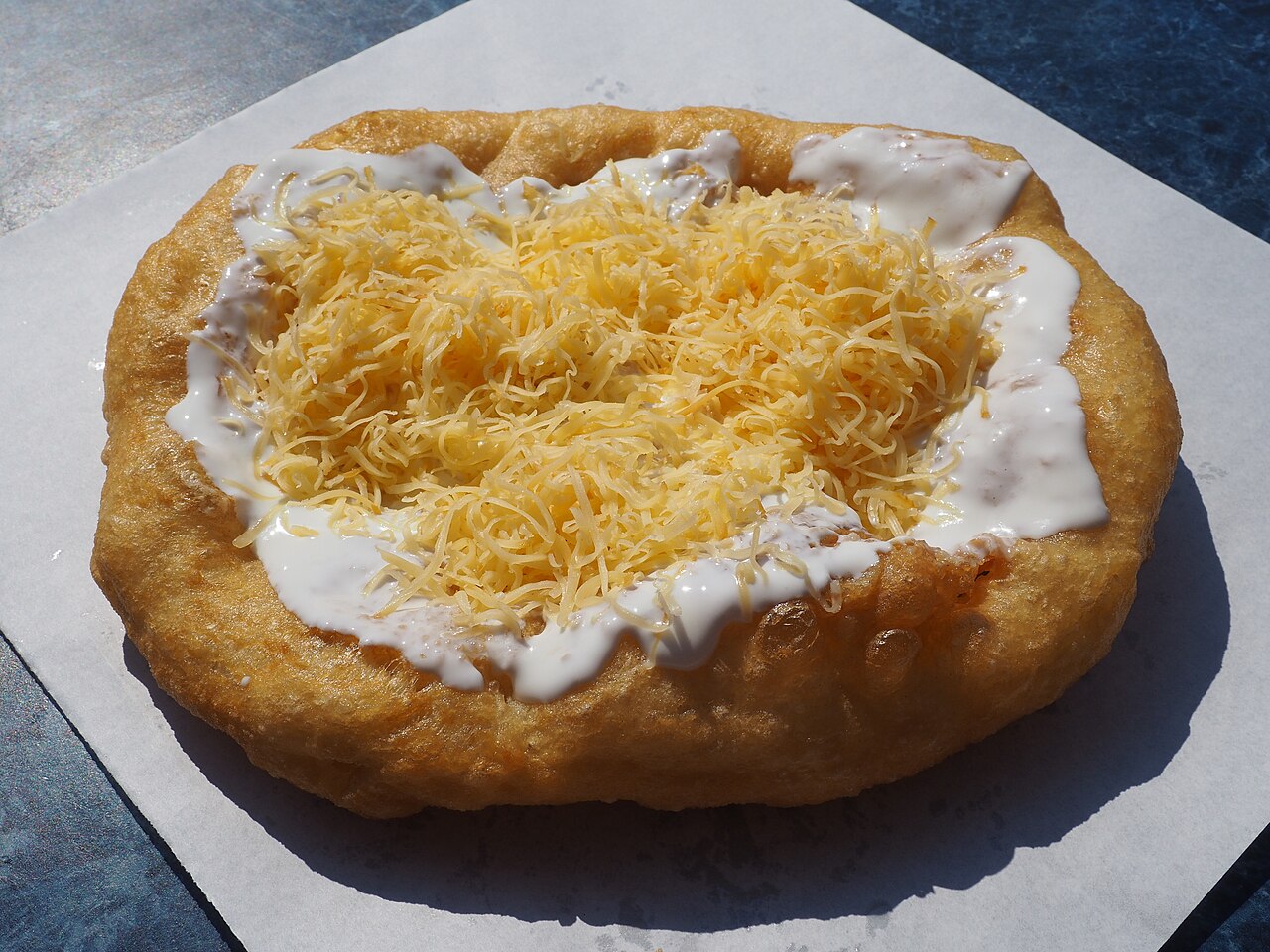
Langos and casual street food call for simple, refreshing whites. Balatoni Olaszrizling provides the perfect accompaniment—crisp, clean, affordable, and utterly unpretentious. These aren’t wines demanding contemplation; they’re thirst-quenching partners for casual eating.

Quick Reference: Budapest Wine Bars Cheat Sheet 📋

Essential wine bars for discovering Hungarian viticulture—from neighborhood hangouts to upscale destinations.

Budget  |  €€ Mid-range  |  €€€ Upscale
Name
Price/Glass
Vibe
Selection
Best For
Action
Kadarka Wine Bar
2,800-4,800 HUF
(~$8-13 USD)
Local living room
200+ Hungarian wines
Authentic neighborhood atmosphere
DiVino Wine Bar €€€
3,500-6,500 HUF
(~$10-18 USD)
Upscale panoramic
150+ premium labels
Basilica views & tourist-friendly service
Palack Wine Bar
2,500-4,200 HUF
(~$7-11 USD)
Educational playful
Rotating thematic menus
Blind tastings & wine learning
St. Andrea Wine & Skybar €€€
4,500-7,500 HUF
(~$12-20 USD)
Rooftop chic
Producer-direct sparkling focus
Date nights & city views
Doblo Wine Bar
2,800-4,500 HUF
(~$8-12 USD)
Natural wine HQ
Low-intervention specialists
Natural wine exploration
Wine Market
1,800-3,200 HUF
(~$5-9 USD)
Lövőház local
140+ Hungarian wines
Unbeatable prices & authentic crowds

Frequently Asked Questions

What makes Hungarian wine different from other European wines?

Hungarian wine distinguishes itself through indigenous grape varieties found nowhere else—Furmint, Kadarka, Juhfark, Hárslevelű—combined with unique terroirs like Tokaj’s volcanic soils and Somló’s isolated volcanic butte. The country’s 22 wine regions produce styles ranging from world-class sweet Tokaji Aszú to structured Villányi reds, all shaped by continental climate extremes and centuries of winemaking tradition predating most Western European wine cultures. Budapest’s wine bars provide access to this diversity without requiring vineyard visits across the country.

How much should I expect to spend at Budapest wine bars?

Budget 2,500-4,500 HUF (~$7-12 USD) per glass at neighborhood wine bars like Kadarka, Wine Market, and Palack. Upscale establishments like DiVino and St. Andrea charge 3,500-6,500 HUF (~$10-18 USD) for standard pours, with premium selections reaching 8,000 HUF (~$22 USD). A typical evening including 3-4 glasses plus cheese/charcuterie costs 10,000-18,000 HUF (~$28-50 USD) at mid-range bars, less at budget spots, more at upscale venues. These prices remain significantly lower than comparable wine bars in Vienna, Prague, or Western European capitals.

Do I need reservations for Budapest wine bars?

Reservations prove unnecessary for weeknight visits or early arrivals (before 7:00 PM) at most wine bars. Friday and Saturday evenings at popular spots like DiVino, St. Andrea, and Kadarka require advance booking, particularly for preferred seating. Special events—blind tastings, winemaker visits, thematic dinners—sell out quickly and demand reservations weeks ahead. Neighborhood bars like Wine Market operate walk-in only. When uncertain, calling ahead takes five minutes and prevents disappointment.

Which wine bars offer the best selection of natural wines?

Doblo Wine Bar pioneered Budapest’s natural wine scene and maintains the city’s most comprehensive low-intervention selection, featuring Hungarian producers like Strekov 1075, Bott Pince, and Gilvesy alongside international natural wines. Kadarka includes natural wine options within its broader Hungarian selection. Several newer bars in District XIII and VIII focus exclusively on natural wines, though these remain less established than Doblo. For natural wine exploration, start at Doblo where staff enthusiasm and expertise create welcoming environments for both converts and curious beginners.

Can I visit Hungarian wineries from Budapest?

Tokaj lies approximately 2.5 hours northeast by car or train, making day trips feasible though rushed. Eger sits closer at 1.5 hours, offering more realistic single-day winery visits. Villány in southern Hungary requires 3+ hours driving, better suited to overnight trips. Somló and Balaton regions sit 1.5-2 hours away. Several Budapest-based tour companies organize winery day trips including transportation, tastings, and meals, typically costing 35,000-55,000 HUF (~$95-150 USD) per person. For visitors with limited time, Budapest’s wine bars provide comprehensive Hungarian wine exposure without multi-hour journeys.

What’s the best time of year to visit Budapest’s wine bars?

September through November represents peak wine season, coinciding with harvest and new vintage releases. Wine bars organize special tastings, winemakers visit Budapest frequently, and the entire industry buzzes with vintage excitement. Winter (December-February) offers intimate atmospheres with minimal crowds—February 2026 provides excellent conditions for serious wine exploration. Summer brings outdoor seating and extended hours but also tourist crowds and heat that makes heavy reds less appealing. Spring offers pleasant weather and moderate crowds. Ultimately, Budapest’s wine bars operate year-round with consistent quality; visit whenever your schedule allows.

Are Budapest wine bars suitable for beginners?

Absolutely. Hungarian wine culture emphasizes hospitality over intimidation, and wine bar staff excel at guiding newcomers through unfamiliar territory. Start at Kadarka or Palack where unpretentious atmospheres encourage questions rather than punishing ignorance. Request a “beginner’s flight” showcasing different Hungarian styles—dry white, sweet Tokaji, light red, structured red—to establish preferences. Staff recommendations based on “I usually drink Sauvignon Blanc” or “I prefer lighter reds” work better than attempting Hungarian wine vocabulary. Most wine bars offer wines by the half-glass, allowing broader exploration without committing to full pours of unfamiliar varieties.

📍 Budapest Wine Bar District – Essential Info

  • Primary Location: Jewish Quarter (District VII), particularly Király utca, Dob utca, and surrounding streets
  • Secondary Locations: District V near Basilica, Lövőház utca (District VIII), scattered Buda locations
  • Average Glass Price: 2,500-4,500 HUF (~$7-12 USD) neighborhood bars; 3,500-6,500 HUF (~$10-18 USD) upscale venues
  • Typical Hours: Mon-Sat 4:00 PM-12:00 AM, Sun 4:00 PM-10:00 PM (varies by venue)
  • Getting There: Metro M2 to Blaha Lujza tér or M1/M2/M3 to Deák Ferenc tér for Jewish Quarter bars; M2 to Batthyány tér for Buda locations
  • Peak Times: Friday-Saturday 8:00-11:00 PM; arrive before 7:00 PM for walk-in seating
  • Reservations: Essential for weekend evenings at popular venues; weeknights usually walk-in friendly
  • Language: English widely spoken at tourist-facing bars; basic Hungarian helpful at neighborhood spots

Pro tip: Buy a bottle from a wine shop (Bortársaság, La Boutique des Vins) before visiting multiple wine bars—staff often allow outside bottles with modest corkage fees, dramatically reducing costs for groups sharing wines.

Prices verified: February 2026