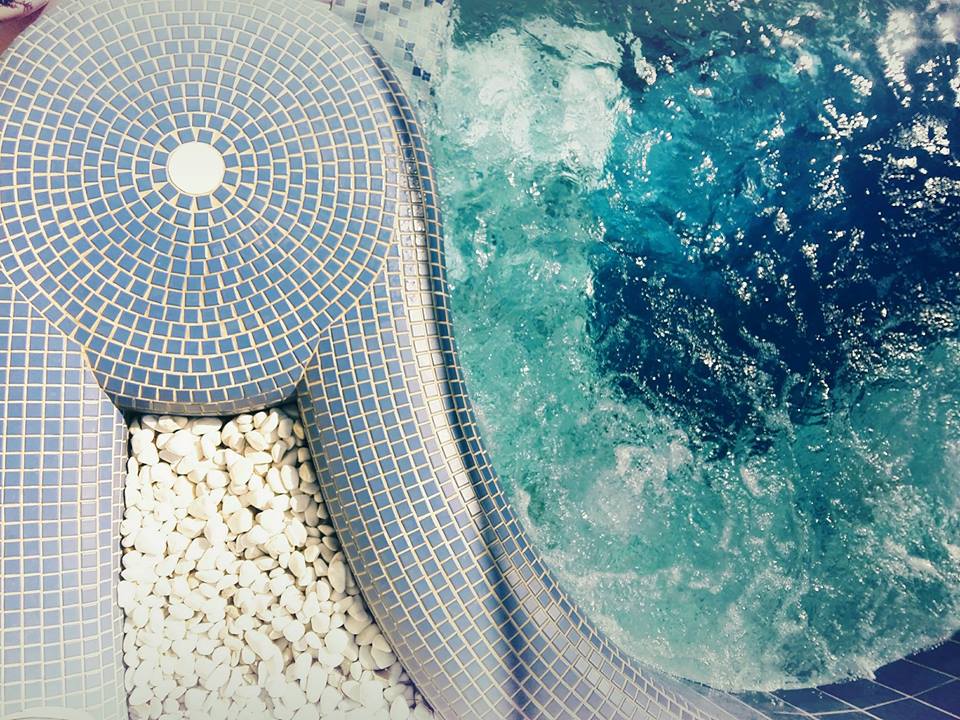
TL;DR: Dandár Thermal Bath is Budapest’s most affordable medicinal bath — a true locals’ sanctuary in District IX where you’ll soak in the same mineral-rich thermal water as the famous Gellért Bath, minus the crowds and tourist markup. Entry costs just 3,500 HUF (~$9.50 USD) on weekdays and 4,000 HUF (~$10.80 USD) on weekends in 2026. Five pools, Finnish saunas, and a steam cabin in a cozy courtyard setting. Perfect for budget travelers and anyone allergic to selfie sticks. Verdict: the bath Budapest locals don’t want you to find.
Dandár Thermal Bath is a lesser-known medicinal bath in Budapest’s District IX (Ferencváros), offering calcium-magnesium bicarbonate thermal waters, five pools (two indoor, two outdoor, one plunge), Finnish saunas, and steam cabin access from just 3,500 HUF (~$9.50) on weekdays in 2026 — making it the cheapest thermal bath operated by Budapest Spas.
The Bath That Budapest Locals Whisper About
There’s a moment — and if you’ve spent enough time in Budapest, you’ll know exactly what I’m talking about — when you walk into a thermal bath and immediately clock whether you’ve stumbled into a tourist attraction or an actual bath. The tells are unmistakable. At tourist baths, you hear a symphony of languages that would make the United Nations jealous, you dodge GoPros mounted on selfie sticks like a thermal-water ninja, and you pay roughly the same price as a decent dinner for two. At a locals’ bath, you hear Hungarian — only Hungarian — the loudest sound is a contented sigh, and the receipt won’t make you flinch.
Dandár Thermal Bath is firmly, gloriously, unapologetically in the second category. Tucked into a quiet side street in Ferencváros, Budapest’s rapidly evolving ninth district, this unassuming brick building has been serving up mineral-rich thermal water since 1930. Yet somehow, in a city where every travel blog and their dog has written about Széchenyi and Rudas, Dandár has remained under the international radar. The result is a bath that still functions the way Budapest baths were originally intended to function: as neighborhood gathering spots where people come to soak, chat, play chess in the warm water, and leave feeling genuinely better than when they arrived. Not “Instagram better.” Actually better.
I’ve been visiting Dandár regularly, and every single time, the experience reminds me why I fell in love with Budapest’s bath culture in the first place — before the €40 “skip-the-line” tickets and the influencer photoshoots turned some of our most beautiful baths into overcrowded theme parks. If you want to experience what a Budapest thermal bath truly feels like when it’s not performing for an audience, read on.
Arriving at Dandár: First Impressions From the Street
Let’s start with what you won’t see when you arrive at Dandár: a massive queue snaking down the street. No tour buses idling at the curb. No hawkers selling “fast track” tickets. No neon signs. What you will see is a modest brick façade with art deco elements, designed by architect Ferenc K. Császár and completed in 1930, sitting on Dandár utca in a neighborhood that, until recently, most Budapest residents would have described as “industrial” with a polite shrug. The Zwack Unicum distillery — yes, the one that makes Hungary’s famously acquired-taste herbal liqueur — sits literally next door at Dandár utca 1. The coincidence of a bath and a spirits factory sharing a street is the most perfectly Hungarian thing I can think of.
Walking from Boráros tér (where tram lines 2 and 24 will drop you), the approach takes you past apartment blocks, a few corner shops, and the occasional dog walker who nods at you with the reserved friendliness that characterizes outer Ferencváros. This is not the polished, café-lined stretch of Ráday utca a kilometer north. This is real Budapest — the kind of neighborhood where grandmothers lean out of windows to water their geraniums and where the local kisbolt (corner shop) still sells loose cigarettes if you ask nicely enough. The lack of tourist infrastructure is precisely the point.
You step through the entrance, and the first thing that hits you is the smell: a faint, comforting whiff of chlorine mixed with something earthier, more mineral. It’s the universal smell of Budapest bath life. The reception area is clean, functional, and staffed by people who speak enough English to handle your ticket purchase without any drama. Don’t expect the marble-and-column grandeur of Széchenyi’s lobby. Do expect efficiency, a locker key on a wristband, and the kind of no-nonsense welcome that says, “We’re glad you’re here, now go soak.”
From Sanitary Bath to Thermal Sanctuary: Dandár’s Fascinating History
Understanding Dandár’s history helps you appreciate why it feels so different from the “celebrity” baths of Budapest. This place wasn’t built for tourists. It wasn’t even built for relaxation. In 1928, Budapest’s city council issued a decree mandating that every district should have a “népfürdő” — a public bath — so that ordinary citizens could access basic hygiene facilities at affordable prices. Remember, this was 1920s Budapest; many apartments lacked proper bathrooms. The bath was a public health necessity, not a luxury.
Dandár was one of the first buildings completed under this program, opening its doors in 1930. The original thermal water wasn’t even sourced locally — it was piped in from the well supplying Széchenyi Bath across the river, and later from Paskál Bath. The building survived World War II with only minor damage (a small miracle, given what happened to much of Budapest), and reopened almost immediately in 1945. For decades, it continued operating as a simple sanitary bath — a place for washing, not wellness.
The transformation came in 1978, when a comprehensive renovation converted Dandár from a basic bathing facility into a proper thermal bath with sauna and wellness capabilities. This was a significant upgrade, but the real game-changer arrived in 2005, when Dandár finally got its own thermal well. No more importing water from across the city. The well taps into the same deep aquifer system that supplies some of Budapest’s most prestigious baths, producing calcium-magnesium bicarbonate and chloride sulfate water rich in sodium and fluoride ions. This is genuine medicinal water, officially recognized for treating musculoskeletal conditions, joint disorders, arthritis, and degenerative disc disease.
The most recent major renovation happened in 2013-2014, when the entire wellness section was modernized, the basement was converted into a sauna world, and two new outdoor thermal pools with adventure elements were added in the previously underused courtyard. Today’s Dandár bears little resemblance to the utilitarian washing station of 1930 — except in one crucial way: it still serves the neighborhood, and the prices still reflect that mission.
The Pools: Five Ways to Soak Without the Crowds
Dandár operates five pools in total — two indoor and two outdoor thermal pools, plus a cold plunge pool in the wellness area. That might sound modest compared to Széchenyi’s eighteen-pool empire, but here’s the thing: I’ve never had to fight for space in any of them. Not on a weekday morning. Not on a Saturday afternoon. Not even on a holiday. The intimate scale is a feature, not a limitation.
The two indoor thermal pools are set at 36°C and 38°C respectively, housed in tiled rooms that echo with the quiet murmur of conversation and the occasional splash. These are the medicinal pools where you’ll find the regulars — retirees with creaky joints, workers unwinding after a shift, the occasional student who’s discovered the post-exam miracle of hot mineral water. The 38-degree pool is where the serious soakers congregate; it’s hot enough to feel genuinely therapeutic without being uncomfortable. The 36-degree pool offers a slightly more relaxed temperature, perfect for longer sessions. Both pools carry the distinct mineral tang of authentic Budapest thermal water — you can feel it on your skin, a slight silkiness that regular pool water simply doesn’t have.
The two outdoor wellness pools, added during the 2013-2014 renovation, are the real stars. Set in the enclosed courtyard, they offer that magical open-air thermal bathing experience — steam rising from the water’s surface into the cold air, the sky visible above the surrounding buildings — that makes Budapest baths special. These pools are equipped with back and waist hydromassage jets, neck showers, and (this is the part that always delights me) underwater chess boards with built-in seats. Yes, you can play chess while soaking in 38-degree mineral water. Is there a more perfectly Budapest activity? I submit that there is not. Both outdoor pools are also set at 36°C and 38°C, so you can alternate between temperatures without ever leaving the open air.
If you’re a fan of contrast therapy — alternating between hot and cold water — the cold plunge pool in the basement wellness area is your friend. After fifteen minutes in the outdoor 38-degree pool, lowering yourself into that frigid plunge pool creates a full-body shock that would wake the dead, followed by a rush of endorphins that makes you want to do it all over again. It’s free therapy, minus the copay.
The Wellness Section: Saunas, Steam, and Silence
Dandár’s wellness section lives in the basement, which sounds less glamorous than it is. The 2013-2014 renovation turned this previously neglected space into a compact but well-equipped sauna world that punches well above its weight class. The lineup includes indoor and outdoor Finnish saunas (each accommodating up to 12 people), an aroma steam cabin, the aforementioned cold plunge pool, and a relaxation area with sun loungers where you can lie in blissful horizontal silence between sessions.
The Finnish saunas hit proper temperatures — none of that lukewarm disappointment you sometimes encounter at baths that have turned down the heat to accommodate nervous tourists. The outdoor sauna, in particular, is a treat in winter: you step out into the cold courtyard air between sessions, and the temperature contrast makes your skin tingle in a way that’s halfway between pain and pure joy. The steam cabin, infused with aromatherapy oils, offers a gentler alternative for those who prefer humidity over dry heat.
What I appreciate most about Dandár’s wellness section is its size. Because the baths aren’t overrun, you’ll often find yourself sharing a sauna with three or four other people rather than being packed in shoulder-to-shoulder. There’s an intimacy to the experience that bigger, more famous baths simply can’t replicate. It’s the difference between taking a yoga class in a cathedral-sized gym and practicing in a small studio — the smaller space creates a different kind of energy entirely.
The Thermal Water: Same Source, Different Price Tag
Here’s a fact that should interest every budget-conscious traveler and every person with an aching back: Dandár’s thermal water shares the same deep mineral composition as the water at some of Budapest’s most expensive baths. The calcium-magnesium bicarbonate and chloride sulfate water, enriched with sodium and notable fluoride ion content, comes from the same thermal aquifer system that feeds the city’s premium bathing establishments. When Dandár’s own well was drilled in 2005, it tapped into waters with essentially identical therapeutic properties to those that were being piped in from Széchenyi decades earlier.
The water has been officially classified as medicinal, recommended for the treatment of degenerative joint diseases, chronic arthritis, disc herniation, neuralgia, and general musculoskeletal conditions. It’s not a miracle cure — no thermal water is, despite what some overly enthusiastic marketing might suggest — but regular soaking in this water genuinely does help with joint stiffness, muscle tension, and the kind of aches that accumulate when you spend your days hunched over a laptop or pounding Budapest’s cobblestoned streets on foot. Many of the regulars I’ve chatted with at Dandár have been coming weekly, sometimes more, for years. Some were prescribed the visits by their doctors. The therapeutic tradition here is real, not a marketing ploy.
The water temperature across the pools ranges from 36°C to 38°C, which sits in the sweet spot for therapeutic bathing. Hot enough to relax muscles and improve circulation, not so hot that you’ll feel lightheaded after twenty minutes. For comparison, some of the Ottoman-era baths in Budapest have pools reaching 40°C or above, which can be intense for newcomers. Dandár’s temperatures are universally comfortable, making it an excellent choice for thermal bath first-timers who aren’t sure how their bodies will react.
2026 Prices: The Most Affordable Thermal Bath in Budapest
Let me put this in perspective. As of January 2026, a full-day entry ticket to Széchenyi Thermal Bath costs 13,200 HUF (~$35.70 USD) on weekdays and 14,800 HUF (~$40 USD) on weekends. At Rudas, you’re looking at 12,000 HUF (~$32.40 USD) on weekdays and 15,000 HUF (~$40.50 USD) on weekends. Even the more moderately priced Lukács charges 7,000 HUF (~$18.90 USD) on weekdays.
Dandár? 3,500 HUF (~$9.50 USD) on weekdays. 4,000 HUF (~$10.80 USD) on weekends. That’s not a typo. That’s less than a third of the price of Széchenyi, for access to genuine thermal medicinal water, five pools, saunas, a steam cabin, and a locker. The adult entry ticket includes access to everything — the indoor pools, the outdoor wellness pools, the entire wellness unit with saunas and steam cabin. No add-ons needed, no “premium zone” upsell, no “fast track” surcharge.
For students and retirees (with valid ID), the discounted rate is even lower. If you’re a Budapest resident with a registered local address card (lakcímkártya), the deals become almost comically affordable: evening entry in the last two hours before closing costs just 1,450 HUF (~$3.90 USD) on weekdays. Students with a BudapestGO transit pass can get in for 1,450 HUF as well, and a late-night student ticket costs a staggering 580 HUF (~$1.55 USD). Yes, you read that correctly. Under two dollars for a thermal bath with sauna access.
Here’s the full breakdown of 2026 Dandár Thermal Bath prices, verified as of January 2026:
Standard Entry (full day, all zones): Weekday 3,500 HUF (~$9.50) | Weekend/Holiday 4,000 HUF (~$10.80)
Student/Retiree (with valid ID): Discounted rates available — approximately 2,500-2,800 HUF (~$6.75-$7.55)
Afternoon entry (from 17:00, weekdays only): Reduced rate available
Budapest residents evening entry (last 2 hours): 1,450 HUF (~$3.90) weekday | 1,500 HUF (~$4.05) weekend
Student with BudapestGO pass: 1,450 HUF (~$3.90) weekday | 1,500 HUF (~$4.05) weekend
Student evening (BudapestGO, last 2 hours): 580 HUF (~$1.55) weekday | 600 HUF (~$1.60) weekend
Cabin upgrade: 800 HUF (~$2.15)
15-visit pass: 38,200 HUF (~$103) — works out to about 2,547 HUF (~$6.90) per visit
Value safe (értékmegőrző): 1,100 HUF (~$3)
For the multi-bath enthusiasts, the Budapest Spas Silver pass covers Dandár along with Paskál, Palatinus, Pesterzsébet, and Csillaghegy baths, with 100-visit passes starting at 143,000 HUF (~$387) — that’s roughly 1,430 HUF (~$3.85) per visit if you use all 100 entries. Now that’s value.
Quick note: if you want to purchase gear at the bath rather than bringing your own, be prepared. A towel costs 6,000 HUF (~$16.20), flip-flops are 4,000 HUF (~$10.80), swimwear runs 6,000 HUF, and a bathrobe is 12,000 HUF (~$32.40). These are purchase prices, not rentals — you keep them. Obviously, bringing your own is the smart move. The locker deposit of 600 HUF must be paid in cash, so keep some coins handy.
Why Locals Choose Dandár Over the Famous Baths
Walk into Széchenyi on a Saturday afternoon, and you’ll immediately understand why Budapest residents have largely abandoned it. The outdoor pools are packed with international tourists taking photos, bachelor parties treating the thermal water like a swimming pool, and a general atmosphere that has more in common with a waterpark than a centuries-old bathing tradition. It’s still architecturally stunning, and I’d never tell a first-time visitor to skip it entirely, but the soul of the Budapest bath experience? It hasn’t lived there for years.
Dandár is where that soul has relocated — or rather, where it never left. The people here are locals. Real, everyday Budapestieks who come because the water makes their backs feel better, because the 38-degree outdoor pool on a January evening is the best stress relief money can buy, because they’ve been coming every Thursday for the past twelve years and the lady at the reception knows their name. The chess players in the outdoor pool don’t look up when you slide in; they’re three moves ahead and couldn’t care less about your nationality. The regulars at the indoor pool have a spot — their spot — and you’ll learn to respect the unspoken geography of the water.
This isn’t intimidating. It’s comforting. You’re being welcomed into a routine that has been running, with gentle variations, since the bath reopened after the war. Nobody is performing authenticity for your benefit. Nobody is charging you a premium for “the local experience.” You just… experience it, at a quarter of the price, without anyone taking a selfie in your face.
The other practical reason locals flock here: with both Gellért Bath (closed since October 2025 for major renovation, expected to reopen around 2028) and Király Bath (currently closed for restoration), Budapest has lost two of its most beloved bathing destinations. The remaining baths are absorbing displaced regulars, but Dandár’s off-the-radar status means it hasn’t gotten noticeably more crowded. If anything, it’s absorbed a few more serious soakers who’ve quietly migrated from the shuttered baths — the kind of people who add to the ambiance rather than detract from it.
What to Actually Do at Dandár: A Walkthrough
Your Dandár visit starts at the ground-floor reception, where you’ll buy your ticket (cash or card accepted, though the locker deposit requires 600 HUF in cash) and receive a wristband with your locker key. The changing rooms are clean and functional — individual cabins are available for an 800 HUF upgrade if you prefer privacy over a standard locker. Change into your swimwear, put on your flip-flops (mandatory throughout the bath — the floors are tile, and tile is slippery when wet), stash your belongings, and you’re ready.
I’d suggest starting in the indoor thermal pools. The 36-degree pool is a gentle introduction, especially if you’re not used to thermal bathing. Ease in, let the mineral water work its way into your muscles, and spend ten to fifteen minutes simply adjusting to the temperature and the quiet. Then graduate to the 38-degree pool, where the heat becomes more assertive and the therapeutic effects more pronounced. You’ll feel your joints loosen, your breathing deepen, and a pleasant drowsiness start to creep in.
After about twenty minutes in the indoor pools, head to the outdoor courtyard pools. This is the transition that makes Dandár special. Walking from the warm interior through a brief corridor of cooler air and emerging into the open courtyard — steam curling off the water’s surface, the sky above framed by the bath’s brick walls — is a sensory shift that never gets old. In winter, when the air temperature drops below freezing and the pool steams like a cauldron, the effect is extraordinary. In summer, the courtyard becomes a sun trap, and the lounging area beside the pools fills with people catching rays between soaks.
Spend as long as you like in the outdoor pools — twenty minutes, an hour, the entire afternoon. Try the hydromassage jets for your shoulders and lower back. If there’s an open chess board and a willing opponent, sit down and play. (Don’t be surprised if a seventy-year-old retiree in a swim cap absolutely demolishes you. Hungarian chess culture runs deep, and the thermal pool chess players are not messing around.)
When you’re ready for a change, descend to the basement wellness area. Hit the Finnish sauna first — aim for twelve to fifteen minutes if you can handle it, less if you’re new to saunas. Then cool down with a cold shower or, if you’re feeling brave, a full dip in the plunge pool. Repeat the hot-cold cycle two or three times for maximum contrast therapy benefit. Between rounds, try the aroma steam cabin, where eucalyptus or similar essential oils create a humid, fragrant environment that opens up your sinuses and makes your skin feel like it’s been professionally exfoliated. Rest on the loungers between sessions. Hydrate — there’s a drinking fountain, and you should use it.
Total recommended time: two to three hours. You can certainly stay longer — there’s no time limit on your ticket — but most visitors find that two to three hours provides the full thermal bath experience without turning into a prune.
Best Time to Visit Dandár Thermal Bath
Dandár is never truly “crowded” the way Széchenyi or Rudas can be, but there are still better and worse times to go. Weekday mornings between 9:00 and 11:00 are the quietest; you’ll be sharing the pools primarily with retirees on their regular wellness routine, and the atmosphere is meditative. Weekday afternoons from about 15:00 to 17:00 are also quiet, as the morning crowd has left and the after-work visitors haven’t arrived yet.
Thursday evenings are the standout time slot. Dandár is open until 22:00 on Thursdays (the only late-closing day; all other days close at 19:00), which means you can arrive after dinner, soak under the evening sky, and experience the bath at its most atmospheric. The outdoor pools, lit by the building’s warm lighting and capped by night sky, take on a completely different character after dark. If you can only visit Dandár once, make it a Thursday evening.
Weekends are predictably the busiest periods, but “busy” at Dandár means something very different than at mainstream baths. You might find all the underwater chess boards occupied. You might have to wait a few minutes for a lounger. That’s about the extent of the crowding. Compared to the weekend zoo at Széchenyi — where Budapest welcomed a record-breaking 20 million visitors in 2025 and the big-name baths bore the brunt — Dandár on a Saturday feels like a private club.
Seasonally, winter is arguably the best time to visit any outdoor thermal bath in Budapest, and Dandár is no exception. The contrast between the frigid air and the 38-degree water creates that iconic Budapest thermal bath experience — steam billowing around you, your body warm and weightless while snowflakes dissolve on your shoulders. Summer visits are lovely too, with the courtyard doubling as a sunbathing area, but the magic of thermal bathing is really amplified when the weather outside gives you a reason to never leave the water.
Food, Drink, and Refueling Near Dandár
Dandár has an on-site buffet within the bath premises, serving simple Hungarian snacks and beverages. Here’s an important practical note: the buffet only accepts rechargeable cards and bank cards — no cash. Load up a card at reception if you plan to eat or drink inside. The offerings are basic but adequate: think lángos (deep-fried dough), pogácsa (savory scone), packaged snacks, coffee, and soft drinks at modest prices. It’s not gourmet, but after two hours in thermal water, a warm lángos tastes like it was prepared by angels.
For more substantial dining, the surrounding Ferencváros neighborhood has blossomed in recent years. The district that was once dismissed as purely industrial has become one of Budapest’s most dynamic food scenes, especially along Ráday utca (about a fifteen-minute walk north) and around the Millennium Cultural Quarter near the Danube bank. You’ll find everything from traditional Hungarian restaurants to craft beer bars to specialty coffee shops. Élesztőház on Tűzoltó utca is a legendary ruin-pub-meets-brewery space that’s worth visiting for the atmosphere alone — and yes, a post-bath craft beer hits differently.
The closest quick-bite option is to wander toward Boráros tér, where you’ll find kebab shops, bakeries, and the kind of no-frills Hungarian eateries that serve a three-course daily menu (napi menü) for 2,500-3,500 HUF (~$6.75-$9.50). For a proper sit-down meal, head up to Ráday utca and take your pick from the dozen-plus restaurants lining both sides of the semi-pedestrian street. Budget around 4,000-8,000 HUF (~$10.80-$21.60) for a main course with a drink at a mid-range establishment.
Getting to Dandár Thermal Bath
Dandár is located at Dandár utca 5-7, 1095 Budapest, District IX (Ferencváros). Despite its off-the-beaten-path reputation, it’s remarkably well-connected by public transport.
By tram: Tram line 2 (one of Budapest’s most scenic routes, running along the Pest embankment of the Danube) and tram line 24 both stop near Boráros tér, from where Dandár is roughly a 7-8 minute walk south along Soroksári út, then turning right onto Dandár utca. If you’re coming from the direction of the Great Market Hall or the city center, tram 2 is your best bet.
By bus: Bus lines 23 and 54 serve stops within walking distance. Bus 23 is particularly useful if you’re coming from the Buda side via Petőfi Bridge.
By metro: The nearest metro station is Kálvin tér (M3 and M4 lines), approximately a 15-20 minute walk south. Alternatively, take M4 to Fővám tér (right at the Great Market Hall) and walk south along the Danube for about 12 minutes.
On foot from the city center: If you’re staying anywhere near the Danube bank on the Pest side, Dandár is walkable. From Vámház körút (by the Great Market Hall), it’s about a 15-minute walk south through Ferencváros — and it’s a pleasant walk that takes you through one of Budapest’s most rapidly transforming neighborhoods.
By car: There’s parking available at the bath; non-guests pay 500 HUF per 30 minutes. However, parking in this part of Ferencváros is generally manageable, especially on weekdays.
Opening Hours in 2026
Dandár is open every day of the week, year-round. The current 2026 opening hours are:
Monday through Wednesday: 09:00 – 19:00
Thursday: 09:00 – 22:00 (the late-night session — use it!)
Friday through Sunday: 09:00 – 19:00
Important: the ticket office closes one hour before the bath’s closing time, and you’ll need to vacate the pools 20 minutes before closing. So on a standard day, last entry is 18:00, and the “get out of the water” call comes at 18:40. On Thursdays, last entry is 21:00 with pools clearing at 21:40. Plan accordingly — there’s nothing worse than arriving at 18:05 on a Wednesday to find the cash desk shuttered.
Note: children under 14 are not permitted in the bath. This is strictly enforced and is actually another reason the atmosphere stays so peaceful. If you’re traveling with younger kids, check out Palatinus instead — it’s family-friendly and equally affordable.
Combining Dandár With Nearby Attractions
One of Dandár’s unsung advantages is its location in a neighborhood that’s packed with interesting things to do — most of which are completely ignored by standard tourist itineraries. A Dandár visit pairs beautifully with exploration of the surrounding area.
The Zwack Unicum Museum and Visitor Center (Dandár utca 1) is literally next door. Zwack produces Unicum, Hungary’s iconic herbal liqueur — the dark, bitter, love-it-or-hate-it drink that’s been a national symbol since 1790. The museum tells the Zwack family’s fascinating history (they smuggled the secret recipe out of communist Hungary!), and the visit includes a guided tour plus a tasting of three Unicum varieties, including the smoother Unicum Szilva (plum) and the premium Reserva. It’s a perfect pre-bath or post-bath activity.
The Millennium Cultural Quarter, a short walk north along the Danube, houses the Palace of Arts (Müpa) and the National Theatre — two of Budapest’s most architecturally striking modern buildings. If you’re visiting on a day when Müpa has a concert or performance, the combination of an afternoon soak at Dandár followed by an evening of world-class music is hard to beat.
The Great Market Hall (Nagyvásárcsarnok) at Fővám tér, about fifteen minutes on foot, is where most visitors buy their paprika, sausage, and souvenirs. It’s touristy upstairs, but the ground floor and basement still function as a real market. Pop in for fresh produce, pickled vegetables, or a bag of proper Hungarian paprika before heading to Dandár.
Ráday utca, the restaurant-lined street running south from Kálvin tér, is the spine of Ferencváros’s dining scene. After your bath, a leisurely dinner on Ráday — maybe with a glass of Hungarian wine from Villány or Eger — is the civilized way to end the day.
Who Should Visit Dandár (And Who Should Skip It)
Dandár is perfect for: budget travelers who want authentic thermal bath experience without the tourist premium; anyone with joint pain, arthritis, or musculoskeletal issues looking for therapeutic water; couples seeking a romantic, uncrowded thermal bath evening (hello, Thursday late nights); solo travelers who want a peaceful soak without feeling out of place; repeat Budapest visitors who’ve already done the big-name baths; expats and residents looking for a go-to weekly wellness routine; and anyone who values the experience of bathing over the experience of being seen bathing.
Dandár might not be for you if: you want grand architecture and an Instagram-worthy backdrop (that’s Széchenyi’s job, and it does it well); you’re traveling with children under 14 (they won’t be admitted); you need a massive pool to swim laps (these are soaking pools, not Olympic lanes); or you’re looking for the party-bath atmosphere with DJ sets and cocktails in the water (that’s Sparty at Széchenyi, a completely different species of bath experience).
The simplest way to think about it: if you want a bath, go to Dandár. If you want an attraction, go to Széchenyi. Both are valid — just know which one you’re after before you book.
How Dandár Compares to Other Budapest Baths in 2026
With Gellért closed for renovation (not returning until approximately 2028) and Király also shuttered for restoration, the Budapest thermal bath landscape has shifted significantly in 2026. Here’s how Dandár stacks up against the baths that are actually open:
Dandár vs. Széchenyi: Széchenyi is the grand dame — eighteen pools, Neo-Baroque palace architecture, and the iconic outdoor chess scene. It’s also 13,200 HUF on weekdays vs. Dandár’s 3,500 HUF, nearly four times the price. Széchenyi is overwhelmingly international visitors; Dandár is overwhelmingly local. If you can only visit one bath in Budapest, Széchenyi is the obvious choice for the sheer spectacle. But if you’re staying longer or visiting on a repeat trip, Dandár gives you the authentic bathing experience at a fraction of the cost.
Dandár vs. Rudas: Rudas has the famous rooftop pool with Danube views and a genuine Ottoman-era Turkish bath section. It’s magnificent and justifies its 12,000-15,000 HUF price tag for many visitors. But it gets crowded (especially the rooftop), and weekend prices are steep. Dandár offers no panoramic views but provides similar thermal water quality in a vastly more relaxed setting at roughly a quarter of the price.
Dandár vs. Lukács: Lukács sits in a similar “locals’ bath” niche, with weekday entry at 7,000 HUF — still double Dandár’s price. Lukács is larger, has more pools, and hosts the popular Beer Spa experience. It’s a solid middle ground between tourist bath and local bath. But for pure affordability and the quietest atmosphere, Dandár wins.
Dandár vs. Veli Bej: Veli Bej is the intimate boutique option, beautifully renovated with Ottoman roots, priced at 5,700-7,200 HUF. It limits visitor numbers, creating an exclusive feel. If you want luxury-intimate, go Veli Bej. If you want local-intimate at half the price, Dandár is your place.
Dandár vs. Palatinus: Palatinus, on Margaret Island, is Budapest’s beloved outdoor lido — perfect for summer, family-friendly, and priced at 3,600-3,900 HUF, comparable to Dandár. But Palatinus is primarily a summer/outdoor experience (winter hours 09:00-16:00), while Dandár is a year-round thermal bath. Different animals entirely.
Local Insider Hacks for Dandár
The Thursday Night Hack: Thursday is the only day Dandár stays open until 22:00. Arrive around 19:00-20:00, after the day crowd has left, and you’ll find the outdoor pools at their most atmospheric — warm water, cool night air, minimal company. This is the Dandár experience at its absolute peak, and it costs exactly the same as a midday visit.
The Cash Deposit Trap: Your locker deposit of 600 HUF must be paid in cash. There’s no ATM inside the bath, and the reception won’t let you skip this. Tuck a 1,000 HUF note into your swimwear bag before you leave your hotel, and you’ll avoid the embarrassing “can someone lend me 600 forints?” dance at the entrance. You get the deposit back when you return the wristband.
The SZÉP Card Secret: If you’re working in Hungary or have Hungarian friends, the SZÉP Card (a tax-free recreation benefit card issued to Hungarian employees) is accepted at Dandár. All three major bank versions — OTP, MBH, and K&H — work here. This means many Hungarians effectively pay for their thermal bath visits with pre-tax recreation funds, making an already cheap bath essentially free. Ask a local friend about this one.
The Multi-Bath Pass: If you’re staying in Budapest for a week or more and plan to visit thermal baths regularly, the Budapest Spas Silver pass covering Dandár and four other baths can bring your per-visit cost down to approximately 1,430 HUF (~$3.85). That’s the price of a single espresso at a touristy café.
The Unicum Pairing: The Zwack Museum next door closes at different times than the bath. Check their schedule and consider booking a 45-minute museum tour with Unicum tasting before your soak. Entering the thermal water with the warm glow of three Unicum varieties in your belly is, shall we say, a culturally enriching experience. (Just don’t overdo it — dehydration and alcohol don’t mix well with 38-degree thermal water.)
The Realistic Downside of Dandár
I’m not going to pretend Dandár is perfect, because no bath is. Here’s the honest assessment: the facilities, while clean and well-maintained, are modest. If you’re coming from Széchenyi’s palace or Rudas’s Ottoman chambers, Dandár’s changing rooms will feel utilitarian. The tiles are functional, not ornamental. The architecture doesn’t make you gasp. The wellness area is compact — you won’t find a dozen different sauna types, an ice room, or a salt chamber. The buffet is basic. There’s no rooftop pool, no panoramic views, no photo-worthy columns or mosaics.
For visitors who equate “thermal bath” with “luxury spa experience,” Dandár will feel underwhelming. It’s a working bath, built for function over form, and it wears that identity without apology. Some of the newer developments — like the occasional note on the website that certain pool jets or whirlpool features are “temporarily not operating” — remind you that this is a municipal bath, not a premium resort. Maintenance happens on municipal timelines.
Who might be genuinely bothered by this? First-time visitors to Budapest who have limited time and want maximum visual impact from their single bath visit. Those travelers should go to Széchenyi or Rudas without hesitation. But for anyone who prioritizes the quality of the water, the peace of the pools, and the authenticity of the experience over the aesthetics of the building, Dandár’s modesty is a small price to pay — literally.
Final Verdict: Why Dandár Deserves a Spot on Your Budapest List
Dandár Thermal Bath is not trying to be the best-known bath in Budapest. It’s not trying to land on magazine covers or attract influencer partnerships. It’s trying to do one thing — provide affordable, genuine, therapeutic thermal bathing to the people of this neighborhood and this city — and it does that one thing exceptionally well. The water is real. The prices are fair. The atmosphere is peaceful. The locals who come here aren’t performing a cultural experience for your entertainment; they’re simply living their lives, and you’re welcome to join them.
In a city where the biggest baths have become increasingly focused on the tourist dollar (or euro, or pound), Dandár is a reminder of what Budapest bath culture was always supposed to be: accessible, communal, healing. Walk in as a tourist. Walk out as someone who’s soaked in the same water, at the same temperature, next to the same chess-playing retirees, that make this city one of the great spa capitals of the world.
Then walk next door, buy a shot of Unicum, and toast to the fact that you just had a full thermal bath experience for less than the price of a single cocktail at most Budapest rooftop bars. That, my friends, is what winning looks like.
Prices verified January 2026. Dandár is operated by Budapest Gyógyfürdői és Hévizei Zrt. (Budapest Spas). Check the official website for the latest updates.
Frequently Asked Questions About Dandár Thermal Bath
Is Dandár Thermal Bath worth visiting for tourists?
Absolutely — with a caveat. If you’re looking for the grand architectural experience of Széchenyi or the Ottoman mystique of Rudas, Dandár isn’t the right choice for your one and only bath visit. But if you want to experience how actual Budapestieks enjoy their thermal waters — quietly, affordably, and without a selfie stick in sight — Dandár is the most authentic bath experience you can have in the city. It’s especially worthwhile for repeat visitors, budget travelers, or anyone who values the water over the wallpaper.
How much does Dandár Thermal Bath cost in 2026?
A full-day adult entry ticket costs 3,500 HUF (~$9.50 USD) on weekdays and 4,000 HUF (~$10.80 USD) on weekends in 2026. This includes access to all five pools, the sauna and wellness area, and a locker. Students and retirees receive discounted rates, and Budapest residents can access special evening pricing from just 1,450 HUF. It’s the cheapest full-service thermal bath in Budapest by a significant margin.
Can children visit Dandár Thermal Bath?
No. Dandár has a strict no visitors under 14 policy. This is consistently enforced, no exceptions. If you’re traveling with younger children, consider Palatinus on Margaret Island or Széchenyi, both of which welcome families. The age restriction at Dandár is actually part of why the atmosphere stays so calm and relaxing — it’s designed as an adults-only wellness space.
What should I bring to Dandár Thermal Bath?
Bring your own swimwear, towel, and flip-flops (flip-flop use is mandatory). A small amount of cash (at least 600 HUF) is required for the locker deposit, which is returned when you leave. A water bottle is smart — the wellness area has a drinking fountain, but staying hydrated in thermal water is essential. Everything else (towels, swimwear, bathrobes) can be purchased at the bath, but at premium prices of 4,000-12,000 HUF, bringing your own is the obvious move.
Is Dandár Thermal Bath open late?
Dandár closes at 19:00 most days, but stays open until 22:00 on Thursdays. Thursday evening is the prime time for a visit — the pools are quieter, the outdoor courtyard atmosphere is magical after dark, and the last entry at 21:00 still gives you a solid hour of soaking. If you’re looking for late-night thermal bathing on other days, Rudas offers Friday and Saturday night bathing until 04:00.
How does Dandár compare to Széchenyi Bath?
They’re fundamentally different experiences. Széchenyi is a grand Neo-Baroque palace with eighteen pools, international crowds, and entry prices starting at 13,200 HUF. Dandár is a cozy neighborhood bath with five pools, a local crowd, and entry at 3,500 HUF. Both offer genuine medicinal thermal water. Széchenyi is the spectacle; Dandár is the substance. If Budapest is a movie, Széchenyi is the blockbuster and Dandár is the indie film that wins the festival — smaller budget, bigger soul.
Is Dandár Thermal Bath accessible for people with mobility issues?
Dandár’s facilities are spread across multiple levels, including a basement wellness area. While the main pool areas on the ground floor are reasonably accessible, the basement sauna section requires stairs. The bath was originally built in 1930 and, despite renovations, isn’t fully barrier-free by modern standards. If accessibility is a priority, contact the bath directly at +36 1 215 7084 to discuss specific needs before visiting, or consider Széchenyi, which has more comprehensive accessibility features.

