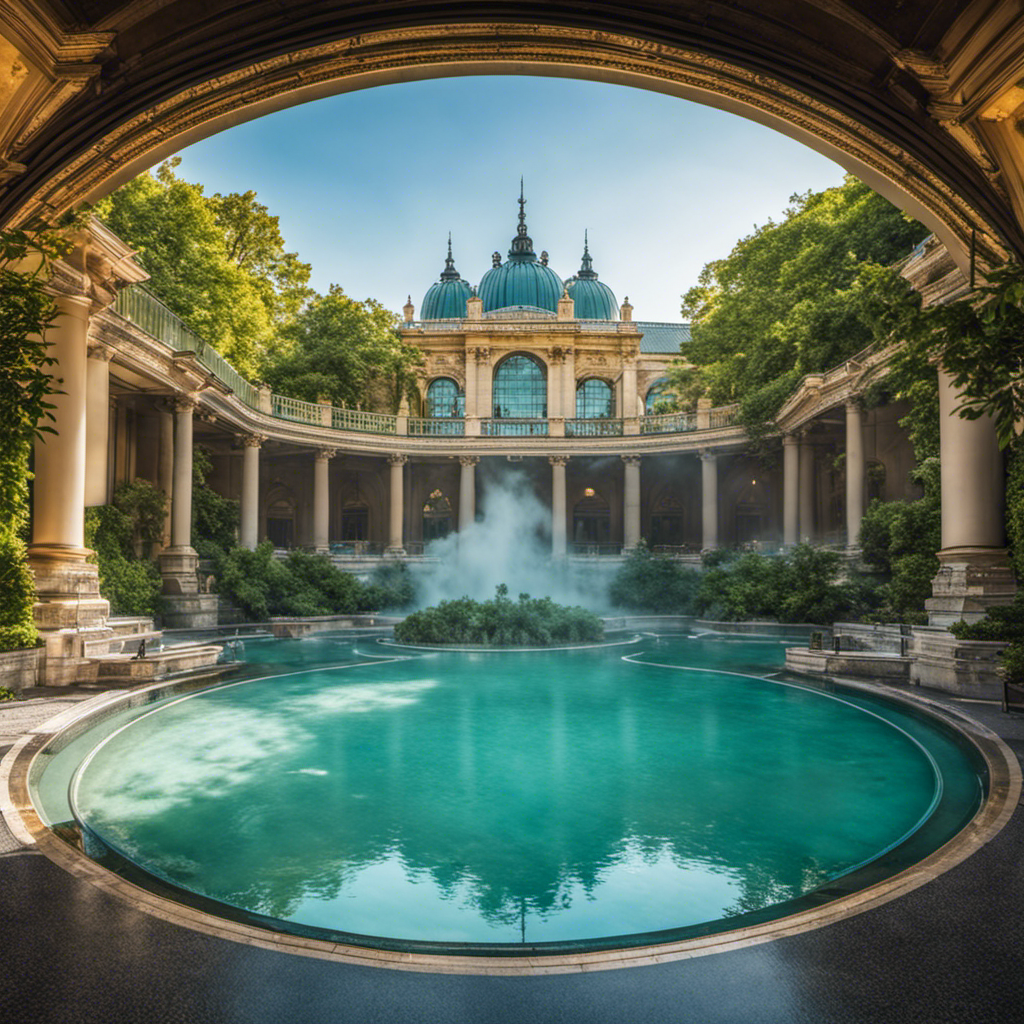
TL;DR — The Quick Soak
What: A masterclass in squeezing every last forint of value from Budapest’s thermal baths — timing, tickets, strategy, and local tricks most guides don’t mention. Where: Széchenyi, Rudas, Lukács, Veli Bej (Gellért and Király are both CLOSED for renovation in 2026). Prices: From 3,800 HUF (~$10) with student/afternoon discounts to 15,800 HUF (~$43) for a weekend cabin at Széchenyi. Best for: Anyone who wants to experience the baths like a local, not like someone who just stepped off a hop-on-hop-off bus. Verdict: The difference between a good bath visit and a transcendent one is about 90% strategy and 10% willingness to wake up early.
What Does It Mean to Maximize Your Budapest Bath Experience?
Budapest sits on over 120 natural thermal springs, making it one of the world’s great spa cities. Maximizing your thermal bath experience means choosing the right bath for your mood, visiting at optimal times to avoid crowds, leveraging discount tickets like Széchenyi’s Good Morning pass or Lukács’s afternoon entry, and understanding the unwritten local rituals that transform a tourist dip into a genuinely restorative experience. In 2026, with Gellért and Király baths both closed for renovation, strategic planning matters more than ever.
Why Most Tourists Get the Budapest Bath Experience Wrong
Here’s a scene I witness roughly four times a week: a group of tourists arrives at Széchenyi Baths around 11:30 AM on a Saturday, wearing flip-flops they panic-bought at the nearest Tesco, clutching a full-price weekend ticket, and looking vaguely alarmed by the number of people already in the outdoor pool. They spend two hours taking selfies, skip the indoor thermal pools entirely, eat an overpriced lángos at the poolside café, and leave feeling like they “did the baths.”
They did not do the baths. They stood in warm water and took photos. There’s a difference.
I’ve spent more hours in Budapest’s thermal water than I’d like to admit — in the dead of winter when snowflakes dissolve on your shoulders, on quiet Tuesday mornings when the only other people in the pool are retired Hungarian men playing chess, and on those perfect September evenings when the steam rising off Rudas’s rooftop pool frames the Chain Bridge like a painting. Through all of it, I’ve learned that the gap between a mediocre bath visit and a life-altering one isn’t about which bath you pick. It’s about when you go, what you know, and how you approach the whole ritual. This guide is the strategy manual I wish someone had handed me before my first fumbling visit, when I accidentally walked into the wrong changing room and emerged into a thermal pool wearing shoes. Don’t be me. Be smarter than me.
The 2026 Bath Landscape Has Changed Dramatically
Before we dive into optimization strategy, you need to understand the current situation, because 2026 is not like any previous year for Budapest bathing. Gellért Bath has been closed since October 2025 for a massive renovation that’s expected to last until approximately 2028. If your Pinterest board is full of those gorgeous Art Nouveau interior shots, I’m sorry — you’ll need to wait a couple of years. Similarly, Király Bath is closed for restoration, with a possible reopening sometime in 2026, though I wouldn’t bet your itinerary on it.
This means the city’s bathing traffic has redistributed. Széchenyi, already the most visited, is absorbing even more tourists. Rudas has become the go-to for travelers who wanted that historic, atmospheric experience Gellért used to provide. And Lukács, long the locals’ favorite, is seeing an uptick in international visitors who’ve done their homework. Meanwhile, little Veli Bej continues to fly under the radar, which is exactly how its regulars like it.
The practical upshot is this: timing and strategy matter more in 2026 than they ever have. With fewer major baths operating, the remaining ones are busier, tickets aren’t getting cheaper, and the difference between going at the right time versus the wrong time is the difference between zen and a water park. Budapest welcomed over 20 million visitors in 2025 — a record — and that momentum hasn’t slowed down. You need a plan.
The Right Bath for the Right Mood
The single biggest mistake tourists make is treating all Budapest baths as interchangeable. They are absolutely not. Each bath has a distinct personality, and choosing the right one for your current mood is the foundation of a great experience. Think of it like choosing a restaurant — you wouldn’t go to a ruin bar when you want a Michelin-star dinner, and you shouldn’t go to Széchenyi when what you actually want is meditative silence.
Széchenyi is the extrovert. It’s massive, it’s bright yellow, it’s in City Park, and its outdoor pools are basically the social living room of Budapest. This is where you go when you want energy, people-watching, and that iconic photo of chess players in steaming water. It’s spectacular in winter when the outdoor pools cloud with steam and the neo-baroque architecture looks like it belongs in a period drama. But it’s also the most crowded bath in the city, especially on weekends and during summer. If you want quiet reflection, look elsewhere. If you want to float in 38°C water while surrounded by the buzz of a dozen languages and the faint smell of someone’s smuggled pálinka — Széchenyi is your place.
Rudas is the romantic introvert. The 450-year-old Ottoman-era octagonal pool room, with light filtering through the star-shaped openings in the dome, is the most atmospheric bathing experience in Budapest. Period. The rooftop pool overlooking the Danube, the Buda hills, and the Pest skyline is worth the price of admission alone. Rudas is where you go for a date night (especially during Friday or Saturday night bathing from 10 PM to 3 AM), for a solo meditative soak, or for that Instagram shot that will make everyone back home deeply jealous. It’s smaller and more intimate than Széchenyi, which means it fills up faster — but it also means the crowd is generally more… intentional. People come to Rudas because they know what they’re looking for.
Lukács is the local’s living room. Located on the Buda side along Frankel Leó út, Lukács doesn’t show up on most Instagram feeds, and that’s exactly the point. This is where Budapest’s artists, students, and pensioners have been soaking for decades. The thermal water here has been considered medicinal since the 12th century, and the walls of the entrance corridor are covered in marble plaques from grateful patients who credit the water with healing their ailments. It’s also the most affordable major bath in Budapest, with weekday entry at just 7,000 HUF (~$19) and afternoon tickets from 3,800 HUF (~$10). If you want to feel like you’re actually in Budapest rather than in a tourist attraction, Lukács is the answer. Plus, it’s now home to the Thermal Beer Spa — a 45-minute soak in a private tub infused with beer ingredients, complete with unlimited draft beer. Because of course that exists.
Veli Bej is the well-kept secret. Tucked inside a hospital compound (yes, really) near the Buda end of Margaret Bridge, this small, beautifully restored Ottoman-era bath is the quietest thermal experience in central Budapest. With only a handful of pools and a maximum capacity that keeps things intimate, Veli Bej is where you go when you want to actually hear yourself think. Prices range from 5,700 to 7,200 HUF (~$15-$19), and the lack of tourist crowds means you can usually walk in without a reservation on weekdays. It opens in the afternoon, so plan accordingly — but for the quality-to-chaos ratio, nothing in Budapest beats it.
Timing Is Everything — When to Visit Each Bath
If I could tattoo one piece of advice on every tourist’s forearm before they land at Liszt Ferenc Airport, it would be this: the time you visit matters more than which bath you visit. A Tuesday morning at Széchenyi is a completely different universe from a Saturday afternoon. Same building, same water, entirely different experience.
Early morning (6 AM to 9 AM) is local time. This is when Budapest’s regulars show up — the pensioners who’ve been coming every day for thirty years, the office workers squeezing in a soak before their shift, the serious swimmers doing laps in the pool. The water is freshest, the crowds are thinnest, and the energy is quiet and meditative. At Széchenyi, the Good Morning ticket gets you in during these hours at a significant discount: 10,500 HUF (~$28) weekday with locker versus the regular 13,200 HUF. That’s real savings, and you get the best atmosphere as a bonus. The downside? You have to actually wake up early. I know. Revolutionary concept.
Mid-morning to early afternoon (10 AM to 2 PM) is peak tourist territory. This is when the tour groups arrive, when the selfie sticks come out, and when the outdoor pools at Széchenyi start to feel like a public beach. If you’re visiting during this window, you’ll have a fine time — the baths are still beautiful — but don’t expect tranquility. If this is your only available slot, I’d steer you toward Rudas or Lukács, which handle midday crowds much better than Széchenyi, or Veli Bej if you want guaranteed peace.
Late afternoon (3 PM to 6 PM) is the sweet spot many people miss. The morning crowd has left, the evening crowd hasn’t arrived, and the light in the outdoor pools starts to turn golden. At Lukács, afternoon tickets kick in and drop the price to 3,800 HUF (~$10) — genuinely one of the best deals in Budapest tourism. At Széchenyi, the Fast Track afternoon tickets (entry after 3 PM) are available and let you skip the ticket queue. This window is my personal favorite for a first-time visit because you get reasonable crowds, decent light for photos, and the option to stay into the evening as the atmosphere shifts.
Evening and night bathing is where things get magical. Rudas is the undisputed king here, with its Friday and Saturday night sessions running from 10 PM to 3 AM at 15,000 HUF (~$41). Imagine floating in the rooftop pool with a glass of champagne while the illuminated bridges of Budapest sparkle below you and the dome of Parliament glows across the river. Note that bridge lights typically shut off around 11 PM in winter (midnight in summer), so get to the rooftop early for the full spectacle. Széchenyi also offers night tickets for its outdoor pools, and if you really want to go big, the Sparty bath parties run on Saturdays — a full-on club night in the thermal pools with DJs, light shows, and more than a few questionable dance moves in waist-deep water. Tickets start around €59 (~23,000 HUF).
Weekday Versus Weekend — A Completely Different Experience
This distinction matters so much that I’m giving it its own section. Weekday bath visits and weekend bath visits in Budapest are essentially two different activities. On weekdays (Monday through Thursday at most baths, though Széchenyi counts Friday as a weekend), prices are lower, crowds are smaller, and the atmosphere is more authentically local. On weekends, prices jump by 1,000 to 3,000 HUF depending on the bath, tour groups fill the pools, and the ratio of locals to tourists flips dramatically.
Here’s my real talk: if you have any flexibility in your itinerary at all, visit the baths on a weekday. Not just because it’s cheaper — though saving 1,600 HUF at Széchenyi (the difference between weekday and weekend locker tickets) is nothing to sneeze at — but because the entire energy is different. On a Wednesday morning, you’ll find yourself sharing the thermal pools with people who genuinely use them for wellness. On a Saturday afternoon, you’ll be sharing them with bachelor parties. Both are valid experiences, but only one of them involves unexpected splashing and chanting.
If weekends are your only option, go early. I’m talking doors-open early. The first 60 to 90 minutes of any weekend session at Széchenyi are manageable. By 11 AM, it transforms. At Rudas, weekends are slightly less dramatic because the space itself limits how crowded it can get, but the Turkish bath section can still feel cramped by midday. Lukács on weekends has a genuinely lovely vibe — they offer a complex ticket on weekends for 8,900 HUF (~$24) that includes access to the sauna world, and the crowd tends to be younger and more local-leaning than the other major baths.
The Seasonal Strategy Guide
Budapest’s thermal baths are open year-round, and each season delivers a fundamentally different experience. Choosing when to visit based on the season is a layer of optimization that most guides completely ignore.
Winter (December through February) is peak bath magic. There is nothing — and I mean nothing — quite like sinking into 38°C thermal water while snowflakes melt on your face and steam billows around you like you’re in some kind of ancient fog ritual. The outdoor pools at Széchenyi become otherworldly, with the neo-baroque building looming through clouds of vapor. Your hair will freeze if you don’t keep it submerged. This is hilarious exactly once and then mildly annoying. Bring a good towel. Winter is also lower tourist season (except around Christmas and New Year’s), so weekday visits are particularly uncrowded. The downside is that moving between outdoor and indoor pools involves brief but sincere moments of cold-weather regret, and the walk from the changing room to the pools can feel like a polar expedition if you’re not prepared. Wear your flip-flops, move quickly, and remember that the suffering is temporary but the warm water is eternal.
Spring (March through May) is the Goldilocks season. Temperatures are warming up, tourist crowds are still moderate, and the baths hit that perfect balance of pleasant outdoor soaking without the summer crush. Late April and May are particularly good — the outdoor areas are comfortable, prices haven’t shifted to summer peak, and you’ll find the pools populated by a nice mix of locals and in-the-know travelers. This is when I send visiting friends to the baths, because the experience is virtually guaranteed to be good regardless of timing.
Summer (June through August) is the most popular and most chaotic. Széchenyi’s outdoor pools function as Budapest’s de facto public beach, and the crowds reflect that. If you want a summertime outdoor swim, consider Palatinus on Margaret Island instead — it’s a proper outdoor bath complex with water slides, wave pools, and thermal pools, and at 3,600 HUF weekday / 3,900 HUF weekend (~$10), it’s a fraction of Széchenyi’s price. For the actual thermal experience in summer, go indoor. Rudas’s Turkish bath section is climate-independent and gorgeous year-round, and Lukács’s indoor pools remain cool and uncrowded even when the outdoor deck is packed. Also note that from August 1, 2025, Széchenyi no longer admits children under 14 — a policy that has made the experience notably more adult-oriented during summer months.
Autumn (September through November) is my personal favorite. The tourist wave recedes, the light turns golden, and there’s something about soaking in warm water while watching autumn leaves drift across the surface of the outdoor pool that feels like a scene from a Wes Anderson film. September still offers warm-enough weather for outdoor bathing without the summer crowds. October and November start to get that crisp chill that makes the thermal water feel even better by contrast. This is also when prices and crowds are at their lowest before the winter holiday bump.
The Pre-Bath and Post-Bath Ritual
Locals don’t just “go to the baths.” The bath visit is the centerpiece of a larger ritual that includes what you eat before, what you do during, and where you go after. Getting this ritual right elevates the entire experience from a tourist activity to something that genuinely approaches the way Budapestians have been living for centuries.
Before the bath, eat light but eat well. A heavy meal before soaking in 38°C water is a recipe for discomfort. The ideal pre-bath meal is something warm, moderate, and satisfying — a bowl of soup at a nearby étterem, a couple of pogácsa (Hungarian cheese scones) from a bakery, or a light breakfast if you’re doing a morning session. If you’re heading to Széchenyi, the restaurants along Dózsa György út or inside City Park work well. For Rudas, grab something at the Central Market Hall if you’re coming from Pest, or at one of the small cafés along the Buda riverside. For Lukács, the stretch of Frankel Leó út has several solid lunch spots. Whatever you do, don’t show up on an empty stomach either — the combination of heat and low blood sugar will have you dizzy faster than you’d expect.
After the bath is where the real magic happens. You’ll emerge from two or three hours of soaking feeling like your bones have been replaced with warm butter. This is not the moment to rush to your next museum. This is the moment to lean into that post-bath glow. The classic local move is to find a terrace or a cozy café and settle in with a beer, a coffee, or (if it’s winter) a forralt bor — Hungarian mulled wine. After Rudas, the Buda riverfront has several excellent spots, and the Rudas Bistro right at the bath offers a three-course dinner that pairs perfectly with a bath visit. After Széchenyi, a walk through City Park to the Városliget restaurants or toward Heroes’ Square gives you that pleasant post-soak amble. After Lukács, head down to the Danube promenade or cross Margaret Bridge to grab a drink on Margaret Island. The point is: build buffer time after your bath. The relaxation you’ve just earned evaporates the moment you start speed-walking to your next attraction.
Some locals pair their bath with exercise — a morning swim followed by the thermal soak, or a jog through City Park before hitting Széchenyi. Others treat it as recovery after a night out, dragging themselves to a morning session with the specific medicinal goal of feeling human again. The baths are flexible enough to fit into almost any routine, but they work best when you give them space rather than cramming them into a packed itinerary.
Insider Ticket Strategies That Save Real Money
Bath tickets in Budapest are not cheap by Hungarian standards, and prices went up again for 2026. But there are legitimate ways to save significant money that most tourists never discover, usually because they buy their tickets from a reseller website with a markup instead of doing ten minutes of research.
Széchenyi’s Good Morning ticket is the best-kept-not-so-secret deal in Budapest bathing. Available on weekdays for entry before approximately 8 AM, the Good Morning locker ticket costs 10,500 HUF (~$28) compared to the standard weekday locker price of 13,200 HUF (~$36). That’s a 2,700 HUF saving, and you get the best hours of the day as your reward for being an early riser. The Good Morning cabin ticket is 11,500 HUF (~$31) versus the standard 14,200 HUF. Note that once you’re in, you can stay all day — it’s only the entry time that’s restricted. So you could enter at 7 AM, soak until noon, and have paid significantly less than the person who walked in at 10.
Lukács’s afternoon ticket at 3,800 HUF (~$10) is, hands down, the best value in Budapest’s thermal bath scene. Available on weekdays for entry in the late afternoon (typically after 5 PM), this is the same thermal water, the same pools, the same experience — at roughly half the regular weekday price of 7,000 HUF. Students with a BudapestGO public transport pass can also get in for 3,800 HUF on weekdays regardless of time. If you’re on a budget and you’re flexible on timing, Lukács in the late afternoon is the move.
The Budapest Card deserves a mention because it includes free entry to Lukács Bath and 20% discounts at Széchenyi and Rudas. If you’re planning to visit multiple museums and use public transport (which is also free with the card), the math can work out very favorably. The 72-hour Budapest Card typically pays for itself if you visit Lukács (free), take a discounted entry to Széchenyi or Rudas, visit two or three museums, and use the metro and trams. For a detailed breakdown of when the card saves money and when it doesn’t, check our Budapest Card savings guide.
Buy tickets at the bath, not from resellers — unless you specifically want skip-the-line convenience. Third-party booking sites typically charge a €5-15 markup per ticket. The baths all sell tickets on-site and most also sell through their official websites. Széchenyi does get long queues on weekend mornings (30-45 minutes is not unusual), so if you’re visiting on a Saturday, a Fast Track ticket at 15,200 HUF weekday / 16,200 HUF weekend with locker (~$41-$44) might be worth the premium. But on a weekday morning? Walk up to the window and save yourself the middleman markup.
What to Actually Do Inside the Baths
This is where I see the biggest gap between tourist behavior and local behavior. Most first-timers enter a thermal bath, find the biggest pool, get in, sit there for an hour, and leave. Locals move through the baths like a choreographed wellness routine — and once you understand the pattern, it transforms the experience.
Start with a shower. This isn’t optional — it’s both etiquette and smart strategy. A warm shower opens your pores and gets your body ready for the thermal water. Every bath has shower facilities in the changing area, and skipping them is the bathing equivalent of skipping the warm-up before exercise.
Begin with the warmest pool, then work your way cooler. At Széchenyi, the thermal pools range from about 28°C to 40°C. At Rudas, the Ottoman pools range from 16°C to 42°C. The local method is to start warm (36-38°C), spend 15-20 minutes, then move to a slightly cooler pool, then back to warm, cycling through temperatures. This contrast bathing is what gives you that incredible feeling of relaxed alertness — your circulation gets a workout while your muscles get a break.
At Rudas, the contrast bath ritual is practically sacred. There’s a very hot pool and a very cold plunge pool right across from each other, with signs explaining the traditional alternating technique. The protocol is: hot pool for five minutes, cold plunge for 10-15 seconds (you’ll want to scream — this is normal), rest for two minutes, repeat. Three cycles of this and you’ll feel like you’ve been rebooted at the cellular level. The hot pool does have a slight sulfuric (“eggy”) smell — this is the mineral content and it’s completely normal. You stop noticing after about three minutes.
Don’t skip the steam rooms and saunas. At Széchenyi, there are several steam baths, each with slightly different temperatures and humidity levels — explore them all, don’t just try one. Lukács has an entire sauna world section (available with the complex ticket on weekends) with Finnish saunas, infrared saunas, and steam rooms. These complement the thermal pools perfectly and most tourists walk right past them because they didn’t know they existed.
Spend a minimum of two hours, ideally three. I cannot stress this enough. The thermal baths are not a 45-minute activity. The minerals in the water need time to work on your muscles and joints. The relaxation compounds over time. Most locals spend two to four hours per visit, and there’s a reason — anything less and you’re essentially just getting wet. Budget at least two hours, and if you can swing three, you’ll understand why Budapestians have been doing this for a thousand years.
Unique Experiences Most Tourists Never Try
Beyond the standard soak-and-leave visit, Budapest’s bath scene offers some genuinely unique experiences that can turn your visit from “nice” to “this is my new favorite thing I’ve ever done.”
Rudas Night Bathing is the most romantic experience available in Budapest that doesn’t involve a Danube cruise. On Fridays and Saturdays from 10 PM to 3 AM, Rudas reopens for a nighttime session at 15,000 HUF (~$41). The Ottoman pool room is lit with colored mood lighting, the rooftop pool offers nighttime panoramic views of the illuminated city, and you can order champagne or cocktails poolside. This is first-date-gold if you’re traveling with a partner, and equally spectacular solo. Pro tip: arrive at 10 PM sharp. The bridge illuminations typically stay on until 11 PM in winter and midnight in summer, so the first hour from the rooftop is the most visually stunning.
The Thermal Beer Spa at Lukács is exactly what it sounds like and exactly as good as you’re hoping. For a 45-minute private session, you get a wooden tub filled with thermal water infused with dry beer ingredients (hops, malt, yeast — genuinely good for your skin and hair), plus unlimited draft beer delivered right to your tub. Sessions include access to the full Lukács bath complex afterward, and you can add a 20-minute reflexology massage. It’s novelty, sure, but it’s also genuinely relaxing and surprisingly well-executed. Perfect for groups, bachelor/bachelorette parties, or anyone who has ever thought “I wish I could drink beer while literally bathing in beer.”
Sparty — the bath party at Széchenyi — runs on Saturday nights and transforms the outdoor pools into a full-blown nightclub with DJs, laser shows, and projections onto the building’s façade. Tickets start around €59 (~23,000 HUF) and include entry from about 9:30 PM to 2 AM. Look, I’ll be direct: as a local, Sparty is not something I attend regularly. It’s loud, it’s touristy, and the ratio of water-to-party-behavior is firmly on the party side. But as a once-in-a-lifetime experience? It’s genuinely memorable. If you’re in your twenties, traveling with friends, and want a story to tell — Sparty delivers. Just manage your expectations: this is a pool party, not a wellness experience.
Chess in the outdoor pool at Széchenyi is one of those quintessentially Budapest moments that has been happening daily for decades. The chess players set up at the built-in stone chessboards in the warm outdoor pool, usually in the mornings, and play for hours. You’re welcome to watch, and if you’re a decent player, you might even be invited to join. Don’t expect to win. These guys have been playing here since before you were born, and they don’t take it easy on tourists.
Complete 2026 Price Guide for Every Major Bath
Prices were last verified in January 2026. All prices are in Hungarian Forints (HUF) with approximate USD equivalents at ~370 HUF per dollar. Budapest Thermal Bath company reserves the right to change prices without notice, so always check the official website before your visit.
Széchenyi Bath — Weekday locker: 13,200 HUF (~$36), weekday cabin: 14,200 HUF (~$38). Weekend locker: 14,800 HUF (~$40), weekend cabin: 15,800 HUF (~$43). Good Morning weekday locker: 10,500 HUF (~$28), Good Morning cabin: 11,500 HUF (~$31). Fast Track locker: 15,200 HUF (~$41), Fast Track cabin: 16,200 HUF (~$44). Massage (20 min): 11,800 HUF (~$32). Towel purchase: 6,900 HUF (~$19). Note: Széchenyi counts Friday through Sunday as weekends. Children under 14 are not admitted (policy since August 2025).
Rudas Bath — Weekday all-zone: 12,000 HUF (~$32). Weekend all-zone: 15,000 HUF (~$41). Night bathing (Friday/Saturday 10 PM–3 AM): 15,000 HUF (~$41). The Turkish bath section has single-gender days during the week (check the current schedule on their website), but is mixed on weekends and during the night sessions.
Lukács Bath — Weekday: 7,000 HUF (~$19). Weekend: 8,000 HUF (~$22). Complex ticket (weekend, includes sauna world): 8,900 HUF (~$24). Student weekday: 3,800 HUF (~$10). Afternoon weekday: 3,800 HUF (~$10). Massage (20 min): 9,000 HUF (~$24). Free entry with Budapest Card.
Veli Bej Bath — Entry ranges from 5,700 to 7,200 HUF (~$15-$19) depending on time and day. The bath has limited capacity and opens afternoons only — check their current schedule before visiting.
Palatinus (Margaret Island) — Weekday: 3,600 HUF (~$10). Weekend: 3,900 HUF (~$11). Winter hours: daily 9 AM to 4 PM. This is the best budget option for outdoor thermal bathing.
For a comprehensive breakdown comparing all bath prices and which offers the best value for different budgets, see our complete guide to the cheapest thermal baths in Budapest.
Getting There — Transport to Every Major Bath
Széchenyi Bath is at Állatkerti körút 9-11, District XIV, 1146 Budapest. The easiest route is Metro line M1 (the little yellow line, Europe’s oldest metro) to Széchenyi fürdő station — the bath is literally at the exit. You can also take trolleybus 72 or bus 105 to City Park. There are two entrances: the main entrance on the metro side and a second entrance on the zoo side. Reddit locals strongly recommend the zoo-side entrance if you want a cabin, as the cabins on that side tend to be nicer and less crowded.
Rudas Bath sits at Döbrentei tér 9, District I, 1013 Budapest, right at the foot of Gellért Hill on the Buda side. Tram 19 or 41 to Rudas Gyógyfürdő stop drops you practically at the door. From the Pest side, buses 5, 7, 8E, and 110 cross the Elisabeth Bridge and stop nearby. Walking from the Pest side across the Elisabeth Bridge takes about 10 minutes and is a lovely approach with views of the hill. The bath is also walkable from the Gellért area — about 15 minutes along the river.
Lukács Bath is at Frankel Leó út 25-29, District II, 1023 Budapest. Tram 17 to Lukács fürdő stop is the most direct route. From the Pest side, HÉV suburban rail from Batthyány tér to Margit híd (one stop) puts you close, or you can walk across Margaret Bridge. Bus 86 runs along the Buda riverfront and stops right outside.
Veli Bej Bath is at Árpád fejedelem útja 7, District II, 1023 Budapest, inside the Buda hospital compound near the Buda end of Margaret Bridge. Tram 4 or 6 to Margit híd, budai hídfő stop, then a short walk. It’s about 5 minutes on foot from Lukács Bath, so you could theoretically visit both in one day if you’re feeling ambitious.
Palatinus is on Margaret Island, accessible from the tram 4/6 stop at Margit híd (walk about 15 minutes into the island) or bus 26 which crosses the island.
What to Bring — The Packing List Nobody Gives You
Most guides will tell you to bring a swimsuit and a towel. That’s technically correct but woefully incomplete. Here’s what actually matters, based on watching hundreds of tourists fumble through their first bath visit.
Swimsuit is non-negotiable. Budapest’s thermal baths are not nude (with specific exceptions like certain days in the Rudas Turkish section). Bring your own — buying one at the bath is possible but the selection is limited and the prices are marked up. For the thermal pools, any standard swimsuit works. No one cares if it’s fashionable. Speedos are completely normal for men here; in fact, board shorts mark you as a tourist more than anything.
Bring your own towel. You can buy towels at Széchenyi for 6,900 HUF (~$19), and other baths have similar options, but “buy” is the operative word — towel rental is not standard in Budapest baths. Bring a quick-dry microfiber travel towel if you’re packing light. You’ll want it for drying off between pools, sitting on in the sauna, and the post-bath change.
Flip-flops or waterproof sandals are essential. The surfaces around the pools are wet, the changing room floors are wet, and everything between is wet. Walking barefoot is technically possible but inadvisable from both a hygiene and a slipping-on-wet-marble perspective. Flip-flops also let you walk between indoor and outdoor areas in winter without frostbite.
A waterproof phone pouch if you want photos. Some baths restrict phone use in certain areas (especially the Turkish sections), but in the main outdoor pools at Széchenyi, phones are everywhere. A cheap waterproof pouch costs about 2,000 HUF at tourist shops around the city and saves you from the very real risk of dropping your phone in 38-degree mineral water.
A water bottle — you will get dehydrated faster than you think. Thermal water pulls moisture from your body, and spending two hours in hot water without drinking anything is a recipe for headaches and dizziness. Some baths have drinking fountains; others have cafés where you can buy water. But bringing your own is easier and cheaper.
A plastic bag for wet clothes is the mundane tip that will save your afternoon. You’ll need somewhere to put your wet swimsuit and towel after the visit, and if you’re continuing with your day, nothing ruins a backpack faster than a sopping swimsuit loose among your belongings.
Local Insider Hacks for the Ultimate Bath Visit
Hack #1: The zoo-side entrance at Széchenyi. Most tourists follow the crowd from the M1 metro exit to the main entrance. But there’s a second entrance on the zoo side of the building that’s consistently less crowded, has shorter ticket queues, and — crucially — leads to the nicer cabins if you’re opting for a private changing room. The cabins on this side are generally better maintained and larger. It’s a three-minute walk from the main entrance around the building. This single piece of information has saved me more time than any Fast Track ticket ever has.
Hack #2: Lukács afternoon + Budapest Card = basically free. If you have a Budapest Card (which you might already have for the free public transport and museum entries), Lukács entry is free. But even without the card, the afternoon ticket at 3,800 HUF (~$10) makes this the cheapest legitimate thermal bath experience in central Budapest. Combine with Lukács’s rooftop terrace, which has Danube views most tourists never discover because they stay in the main pool area, and you’ve got one of the best value propositions in Hungarian tourism.
Hack #3: The Rudas Bistro dinner-and-bath combo. Instead of eating after your bath, check out the Rudas Bistro on the upper level of the bath building. You can book a three-course dinner with Danube views and then head down for a night bath session. The combination of a good meal, wine, and then a soak in the Ottoman pools is the most civilized evening Budapest has to offer. This is what I recommend to anyone celebrating an anniversary or just wanting to feel like a minor aristocrat for a night.
Hack #4: Visit Veli Bej for your first bath experience. Counterintuitive? Maybe. But if it’s your first ever thermal bath and you’re nervous about the whole thing — changing rooms, etiquette, what to do — Veli Bej’s small, calm, uncrowded atmosphere is the gentlest introduction. You can figure out the rhythm of bath-going without feeling overwhelmed by Széchenyi’s scale or self-conscious in Rudas’s more traditional setting. Once you’ve got your bath legs, then tackle the big ones.
Hack #5: Winter mornings at Széchenyi for photography. If you’re a photographer or just want that iconic steamy Budapest shot, go to Széchenyi on a cold weekday morning in December or January. The combination of morning light, steam rising from the outdoor pools, and near-empty pools creates images that look like they’re from a travel magazine. By 10 AM, the light is different and the pools are crowded. The magic window is roughly 7:30 to 9:00 AM on a sub-zero morning.
The One Thing That Genuinely Bothers Me About Budapest Baths
I should be transparent about the one aspect of the Budapest bath experience that consistently falls short: the changing facilities at Széchenyi are not great. For a bath that charges up to 15,800 HUF for a weekend cabin, the cabins themselves are often cramped, the locks can be finicky, and the locker areas feel worn. It’s not dirty — it’s maintained — but the disparity between the grandeur of the pools and the functionality of the changing rooms is noticeable. Rudas and Lukács, despite being less famous, actually have more modern and better-maintained changing facilities. If you’re someone who values a smooth, polished experience from door to pool, Széchenyi’s backstage areas might underwhelm you. Choose a cabin over a locker if you can (the privacy and space are worth the extra 1,000 HUF), and use the zoo-side entrance for the better-maintained options. The baths themselves are magnificent — just don’t expect the changing rooms to match.
Your Perfect Bath Day — Bringing It All Together
So here’s the plan. You’ve read the strategy, you know the prices, you’ve picked your bath and your time slot. Let me give you the actual playbook for a perfect bath day, the way a local would do it.
Wake up without an alarm. Seriously — if you need to set one, you’re doing it wrong (unless you’re chasing that Good Morning ticket, in which case, set it for 6:15 AM and accept your choices). Have a light breakfast at your hotel or a nearby bakery. Pack your bag: swimsuit, towel, flip-flops, water bottle, waterproof phone pouch, plastic bag for wet stuff. Head to the bath.
Arrive, get changed, shower. Start in the warmest thermal pool and stay for 15-20 minutes. Move to a cooler pool. Try the contrast plunge if available. Explore the steam rooms and saunas. Return to the thermal pool. Somewhere around the 90-minute mark, you’ll feel a shift — your body will be fully relaxed, your mind will be quiet, and you’ll understand why people have been doing this for centuries. Stay for another hour if you can. Float. Watch the sky. Listen to the water.
When you’re done, dry off slowly. Change at a leisurely pace. Exit the bath and walk — don’t rush — to a nearby café or terrace. Order something warm. Sit. Breathe. Feel that warm-butter-bones sensation. Congratulations: you’ve just experienced Budapest at its finest. Not the ruin bars, not the Parliament tour, not the river cruise. The baths. This is what this city is really about. The rest is scenery. This is the soul.
Now go plan your next visit. Once is never enough.
Frequently Asked Questions
Which Budapest thermal bath should I visit if I only have time for one?
If you want the iconic, grand Budapest bath experience, go to Széchenyi — it’s the largest, has stunning architecture, and the outdoor pools are unforgettable. If you want atmosphere and romance, go to Rudas for its Ottoman heritage and rooftop Danube views. If you want to feel like a local and save money, go to Lukács. There’s no wrong answer, but Széchenyi is the most “complete” experience for a first-timer. For more detailed comparisons, check our Széchenyi complete guide.
Is Gellért Bath open in 2026?
No. Gellért Bath has been closed since October 2025 for a major renovation and is not expected to reopen until approximately 2028. Similarly, Király Bath is closed for restoration with a possible 2026 reopening, but no confirmed date. Don’t build your itinerary around either of these baths in 2026.
How much does it cost to visit Budapest thermal baths in 2026?
Prices range widely. The cheapest option is Lukács afternoon or student ticket at 3,800 HUF (~$10). Standard weekday entry runs 7,000 HUF (~$19) at Lukács to 13,200 HUF (~$36) at Széchenyi. Weekend prices are 1,000-3,000 HUF higher. Rudas is 12,000-15,000 HUF (~$32-$41). Széchenyi’s Good Morning ticket offers early-bird savings at 10,500 HUF (~$28).
What should I bring to a Budapest thermal bath?
Bring a swimsuit (mandatory — these are not nude baths), a towel (purchase, not rental, is the standard), flip-flops for wet surfaces, a water bottle to stay hydrated, and a plastic bag for wet clothes afterward. A waterproof phone pouch is optional but recommended for photos. Shampoo and shower gel are useful for the post-bath shower. You can rent or buy most items on-site, but at marked-up prices.
What is the best time of day to visit Budapest thermal baths?
Early morning (6-9 AM) for the quietest, most local experience and discounted Good Morning tickets at Széchenyi. Late afternoon (3-6 PM) for a sweet spot of thin crowds and golden light, plus afternoon ticket deals at Lukács. Avoid Saturday and Sunday midday (11 AM-2 PM) if you dislike crowds — this is peak tourist time at all baths. Friday/Saturday nights at Rudas (10 PM-3 AM) for the most romantic experience.
How long should I spend at a Budapest thermal bath?
Plan for a minimum of two hours, ideally three. Anything under 90 minutes and you’re rushing the experience. Locals typically spend two to four hours, cycling through different temperature pools, steam rooms, and saunas. The therapeutic benefits of the mineral water compound over time, and the relaxation deepens significantly after the first hour. Build buffer time in your itinerary — don’t schedule anything demanding immediately after.
Can I use the Budapest Card for thermal baths?
Yes. The Budapest Card includes free entry to Lukács Bath and 20% discounts at Széchenyi and Rudas. If you’re also using it for public transport and museums, it can represent significant savings. The 72-hour card is usually the sweet spot for most visitors. See our Budapest Card for thermal baths guide for detailed math on when it pays off.
Prices verified January 2026. Last updated January 2026. Budapest Thermal Bath company may adjust prices without notice — always confirm on the official website before your visit.

