🎯 TL;DR
March 15th turns Buda Castle into a free carnival of hussar demonstrations, folk dance, craft workshops, and Parliament tours. Most programs are walk-in and gratis, though popular horse encounters need pre-registration. Arrive by 9:30am or after 2pm to dodge the worst crowds. Bring cash, snacks, and low expectations for English signage.
📋 At a Glance
| Best For | Families with kids 2-12, history nerds, anyone who likes free stuff and horses |
| Time Needed | Half-day (3-4 hours) minimum, full day (6-8 hours) to see everything |
| Cost | Free for all March 15 programs (parking/food/paid attractions extra) |
| Hours | March 15, 2026: Most programs 10:00-18:00, some start 9:30 |
| Getting There | M2 to Batthyány tér + walk, Bus 16 to Castle District, or funicular from Clark Ádám tér |
| Skip If | You hate crowds, don’t care about Hungarian history, or need everything in English |
Look, long enough to know that March 15th at Buda Castle is either your dream day out or your personal nightmare, depending on how you feel about patriotic brass bands, screaming children, and the smell of fried dough. Hungary’s national holiday commemorating the 1848 Revolution transforms the entire Castle District into a sprawling street festival where everything from hussar cavalry demonstrations to finger puppet workshops happens simultaneously across a dozen venues. The best part? Almost everything is free—though you’ll pay for it in crowds, questionable bathroom access, and the inevitable meltdown when your kid realizes the hobbyhorse workshop filled up three hours ago.
I’m writing this because every year I watch families show up at noon with a stroller, no snacks, and zero plan, then spend four hours wandering between venues wondering why everything’s packed. The march 15 buda castle programs are legitimately great if you know what requires pre-registration, which venues have bathrooms, and when to arrive before the tour buses unload half of Debrecen onto the cobblestones. This isn’t one of those “just wander and vibe” situations—you need logistics, backup plans, and realistic expectations about what “free family programs” means when ten thousand other families had the same idea.
⚡ Quick Reference: March 15 Buda Castle Programs
| Venue | Key Programs | Registration? | Best For |
|---|---|---|---|
| Royal Riding Hall | Hussar displays, horse encounters | Horse programs yes | Ages 4-10 |
| Csíkos Courtyard | Folk dance, weapon demos, crafts | Walk-in | All ages |
| National Museum | Free entry, exhibitions, light show | Walk-in | Ages 8+ |
| Parliament | Open day tours | Walk-in (long waits) | Ages 10+ |
| Várkert Bazár | Garden concerts, outdoor programs | Walk-in | All ages |
| St. Stephen’s Hall | Exhibits, cartoon screening | Walk-in | Ages 3-8 |
Planning Your Visit: Transport, Parking & Logistics
Getting to Buda Castle on a normal day requires mild cardiovascular fitness and a tolerance for tourists taking selfies on narrow staircases. Getting there on March 15th requires actual planning because half the roads are closed, parking is a blood sport, and the funicular line stretches back to the Danube. I’ve watched families spend forty minutes circling for parking when they could’ve taken the metro and walked up in fifteen, so let’s talk realistic transport options before you waste your morning idling behind a tour bus.
Getting There by Public Transport
The smartest move is taking Metro Line M2 to Batthyány tér on the Buda side, then walking up through the Castle District streets or taking the funicular if you’re feeling fancy. A single ticket costs 450 HUF (~$1.30) and gets you there without the parking nightmare. The M2 runs 24 hours on weekends and holidays, so you can arrive early or leave late without worrying about the last train. From Batthyány, you’ve got two options: the scenic walk up Fő utca and through the side streets (about 15 minutes with kids), or the funicular from Clark Ádám tér if someone’s complaining about the hills.
Bus 16 is the other solid option, running directly to the Castle District with multiple stops including Széll Kálmán tér and Disz tér. Service runs 5am-11pm with the same 450 HUF standard fare, and on March 15th they usually add extra buses to handle the crowds. The downside is that everyone knows about Bus 16, so expect to be packed in with strollers, backpacks, and at least one accordion player practicing for the folk performances. If you’re staying anywhere on the Buda side, this is your fastest route—just don’t expect personal space.
Driving and Parking Options for Families
If you’re determined to drive—maybe you’ve got a toddler who melts down on public transport or you’re hauling gear for a full-day siege—your best bet is the Várkert Bazár Parking at Ybl Miklós tér. It’s open 24 hours and charges 600 HUF per hour (~$1.70/hour), which adds up fast but at least it’s close to multiple program venues. The elevator access from Várkert up to Castle level is clutch if you’ve got strollers or tired kids. Arrive before 9am or accept that you might circle for 30 minutes waiting for a spot—March 15th parking is basically The Hunger Games with turn signals.
Best Times to Arrive (Crowd Management)
The magic window is arriving by 9:30am before the first programs officially start at 10:00. You’ll beat the tour groups, snag parking if you’re driving, and actually get into the pre-registration workshops before they fill up. The early morning light on the Castle is gorgeous for photos, and you can grab breakfast at one of the cafés before they’re slammed. Downside: you need to convince your family that waking up early on a national holiday is a reasonable life choice.
The other strategic window is after 2pm when families with young kids start trickling out for nap time and the lunch crowd disperses. You’ll miss some morning programs, but venues like the Csíkos Courtyard and Várkert Bazár keep running until 6pm, and the afternoon performances are often less packed. The worst time is 11am-1pm—that’s peak chaos when everyone’s there simultaneously, bathrooms have lines, and good luck getting near the hussar demonstrations without a periscope.
Stroller-Friendly Routes and Accessibility
Let’s be straight up: Buda Castle was designed in the 13th century by people who’d never seen a stroller and wouldn’t have cared if they had. The cobblestones are brutal, the staircases are everywhere, and on March 15th when crowds pack the walkways, pushing a stroller becomes a full-contact sport. That said, there are stroller-viable routes if you plan carefully. The funicular from Clark Ádám tér gets you to Castle level without stairs, and Várkert Bazár has elevator access from the lower parking area to the upper gardens and Castle District.
Once you’re up there, stick to the main promenades between venues rather than cutting through side streets with stairs. The route from Disz tér to the Royal Riding Hall to St. Stephen’s Hall is mostly flat and wide enough for strollers, though you’ll be navigating through crowds. straight up, a baby carrier is the superior choice on March 15th—you’ll move faster, fit through tight spaces, and not spend half your day lifting the stroller over curbs while people sigh behind you. If your kid is past the carrier stage, consider whether they can walk the whole time or if you’re willing to do the stroller obstacle course.
💡 Pro Tip: Download an offline map of the Castle District before you go—cell service gets sketchy when thousands of people are streaming video of the same hussar demonstration, and you don’t want to be that person wandering in circles trying to load Google Maps while your kid asks for the bathroom for the fifth time.
Royal Riding Hall (Lovarda) Programs
The Royal Riding Hall is where the march 15 buda castle festivities hit peak spectacle—hussar cavalry in full period costume, horses doing elaborate choreographed displays, and enough Hungarian military history to make your kids ask questions you can’t answer. It’s also one of the most popular venues, which means the interactive programs fill up fast and you need to know which activities are walk-in versus pre-registration. I’ve seen families trek all the way here assuming they could just show up for the children’s horse encounters, then leave disappointed when they’re told it’s been full since 8am.
Hussar Cavalry Demonstrations
Arrive at least 20 minutes early for decent viewing spots—the courtyard fills up fast and short kids won’t see much from the back. There’s some limited seating along the edges, but most people stand, so factor that into whether your family can handle 30 minutes upright in a crowd. The 10:30am show is usually the least packed since many families are still in transit, while the 1pm slot coincides with peak crowds. The 3:30pm performance is your best bet for a more relaxed vibe with better photo opportunities.
Interactive Horse Programs for Kids
Each session lasts about 20-30 minutes and is best suited for ages 4-10—younger kids might be nervous around horses this big, and teens will feel like it’s beneath them unless they’re into horses. The handlers are patient and clearly experienced with overexcited children, but this isn’t a riding program; it’s more like an educational meet-and-greet with horses. If you miss registration or it’s full, you can still watch from the sidelines, which is straight up 70% as good for most kids who just want to see horses up close.
Historical Re-enactment Performances
Throughout the day, the Royal Riding Hall hosts historical re-enactments showing different periods of Hungarian cavalry history—everything from medieval knights to 19th-century hussars. These performances are more theatrical than the strict cavalry demonstrations, with dialogue (in Hungarian), costume changes, and sometimes mock combat sequences. They’re scheduled between the main hussar displays, usually around 11:30am, 2pm, and 4:30pm, though exact times vary year to year.
The entertainment value depends heavily on your kid’s tolerance for Hungarian historical drama. If they’re into knights, horses, and stage combat, they’ll be glued to it. If they’re the “when do we get snacks” type, you’ll spend 20 minutes negotiating whether you can leave early. The re-enactments are free and walk-in, so you can duck in for a few minutes and bail if it’s not holding attention—no commitment required.
Show Schedule and Pre-Registration
The full daily schedule gets posted on the Buda Castle official event website around early March, usually two weeks before the holiday. Pre-registration for the children’s horse encounters typically opens a week in advance and requires an email sign-up—you’ll get a confirmation with your time slot. Arrive 10 minutes before your slot or they’ll give your spot to the standby list, which forms at the entrance and occasionally gets lucky with no-shows.
For the cavalry demonstrations and re-enactments, there’s no registration—just show up and claim space. Downloading the schedule to your phone beforehand is smart because cell service gets overwhelmed on the day, and wandering between venues asking random people when the next show starts is inefficient. Build in buffer time between programs because the Castle District is bigger than it looks and moving through March 15 crowds is like swimming through molasses.
💡 Pro Tip: The Royal Riding Hall has limited bathroom access and zero food vendors inside the courtyard. Hit the bathrooms near Matthias Church before you settle in for a show, and bring snacks for kids because the nearest food options are a 10-minute walk away and you’ll lose your viewing spot if you leave mid-performance.
Csíkos Courtyard Folk Programs
Folk Dance Performances
The noon performance draws the biggest crowd because it coincides with lunch break energy, while the 10am show is quieter and easier for getting close to the stage. Some performances include audience participation segments where they pull kids (and occasionally mortified adults) onstage to learn basic steps—your child will either love this or experience core memory-level embarrassment. There’s no seating, so everyone stands or sits on the ground, which is fine for 20 minutes but gets old if you’re there for the full 40-minute set.
The demonstrations are safe and supervised, but parents of very young or noise-sensitive kids should know that musket fire is LOUD even with blanks, and the crowd presses in close when something dramatic is happening. Boys aged 6-12 will plant themselves here for an hour if you let them, while toddlers might freak out at the noise. There’s no formal queue or schedule—you just wander over when something interesting is happening, watch for a bit, then move on. The re-enactors are usually happy to answer questions if you speak Hungarian or can mime your way through “Can I take a photo with the sword?”
The quality varies by station—some crafts are elaborate and cool keepsakes, while others are “glue this pre-cut paper flag onto a popsicle stick” level simplicity. Kids under 5 will need significant adult help, while ages 6-10 can mostly manage independently with occasional volunteer assistance. Teens will roll their eyes unless you frame it as ironic craft time or bribe them with food. The workshops are designed to handle high volume, so even if there’s a line, it usually moves quickly unless you arrive during the 12-2pm crush.
Hussar Orchestra Brass Band
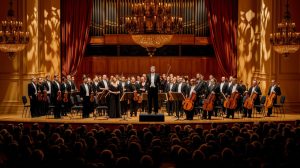
The Hussar Orchestra plays throughout the day from a fixed stage in the courtyard, cycling through traditional Hungarian military marches and patriotic songs. They’re good—like, legitimately talented musicians playing period instruments—but they play the same rotation of songs every 45 minutes, which means by hour three you’ll have “Rákóczi March” permanently lodged in your brain. The music creates great atmosphere for the overall event and pairs well with wandering between craft stations or watching weapon demonstrations.
The band takes short breaks every hour, during which recorded music plays to fill the silence, because apparently someone decided continuous sound was mandatory. There’s no formal seating for the musical performances—it’s more ambient entertainment than sit-down concert—so people gather near the stage or ignore it entirely while doing other activities. If you’re into brass bands and military music history, you’ll appreciate the authenticity; if you’re not, it’s pleasant enough background noise that doesn’t demand attention.
💡 Pro Tip: The Csíkos Courtyard has food stalls selling lángos (fried dough), kürtőskalács (chimney cake), and other festival food starting around 10:30am. Prices are inflated—expect 1,200-1,800 HUF (~$3.40-$5.10) for lángos versus 800-1,000 HUF elsewhere—but it’s convenient if you’re planted here for multiple activities and don’t want to trek to restaurants.
Hungarian National Museum Special Programs
The Hungarian National Museum isn’t technically in the Castle District—it’s over on Múzeum körút in Pest—but it’s such a core part of the march 15 budapest family experience that skipping it feels wrong. March 15th commemorates the start of the 1848 Revolution, which literally began with Petőfi Sándor reciting his National Song on the museum steps, so there’s serious historical weight here. The museum offers free admission on March 14-15, runs special exhibitions and kids’ programs, and hosts a spectacular facade light show at dusk. It’s also significantly less crowded than Buda Castle, making it the smart move if you want culture without combat-level crowds.
Free Museum Entry and Special Exhibitions
The museum opens its doors free to everyone on March 14-15 from 10am-6pm, which is rare because normally admission runs 2,200 HUF (~$6.30) for adults. The permanent exhibitions cover Hungarian history from prehistoric times through the 20th century, with particular emphasis on the 1848 Revolution given the holiday. Special temporary exhibitions for March 15th usually focus on revolutionary themes—past years have featured artifact displays from 1848, interactive timelines, and multimedia presentations about the key figures and events.
The museum is legitimately interesting if your family has any tolerance for history—there are medieval weapons, royal regalia, period costumes, and enough elaborate artifacts to hold attention beyond “when can we leave.” That said, it’s still a museum, which means lots of reading panels in Hungarian with limited English translations, indoor voice expectations, and kids under 8 asking “Are we done yet?” after 20 minutes. Budget 1.5-2 hours if you want to see the main exhibitions properly, or 45 minutes for a quick highlight tour hitting the 1848-specific displays.
Light Show on Museum Facade
The facade light show happens at dusk on March 15th—usually around 6:30pm once it’s properly dark—and projects historical images, patriotic themes, and dramatic lighting effects across the museum’s neoclassical facade. It runs about 15-20 minutes and draws a sizable crowd to Múzeum körút, though nothing like the Buda Castle crush. The show is entirely visual with soundtrack accompaniment, so language isn’t a barrier, and it’s impressive if you’re into architectural projection mapping.
Arrive by 6:15pm to claim a decent viewing spot on the sidewalk across from the museum—the best vantage is from the small park area where you can see the full facade without craning your neck. It’s free, outdoors, and works well for all ages since even toddlers are entertained by giant colorful projections. The downside is that early March in Budapest means it’s likely cold after dark, so dress warmly and accept that you’ll be standing outside for 30+ minutes including wait time before the show starts.
Interactive History Programs for Children
The museum runs interactive kids’ programs throughout both days, typically including costume try-ons (military uniforms, period clothing), historical craft workshops (making cockades, flags, revolutionary-themed art), and guided tours designed for children. These programs are scheduled throughout the day—usually 11am, 1pm, and 3pm sessions—and are free but sometimes require sign-up at the information desk when you arrive. The age range skews 6-12 years old; younger kids might struggle with the structured activities, and teens will likely find it juvenile.
The costume try-on is the most popular activity—kids get to wear replica hussar uniforms or 19th-century clothing and take photos—and spots fill up quickly, so hit the information desk immediately upon arrival if that’s a priority. The craft workshops are simpler than the Buda Castle versions and take place indoors in a dedicated activity room, making them a solid backup plan if weather turns bad. English availability varies by staff member, but the activities are visual enough that language isn’t a huge barrier.
Making History Fun: Age-Appropriate Touring Tips
Look, museums and young children are natural enemies, so you need a strategy beyond “Let’s walk through every exhibition and read every placard.” For toddlers (2-5), skip the museum interior entirely except for the costume activity—they’re not getting educational value from medieval artifacts—and focus on the outdoor areas and light show. For elementary kids (6-10), do a targeted tour hitting the weapons displays, crown jewels, and 1848-specific exhibits, then reward them with a craft workshop. Let them pick three things they want to see closely rather than forcing a comprehensive tour.
For teens (11+), the museum actually works if you provide context about why March 15th matters historically—they’re old enough to appreciate revolutionary history if you frame it as rebellion against authority rather than boring school content. The interactive multimedia displays and audio guides (available in English) help maintain interest. Build in a café break midway through; the museum has a decent café in the courtyard where you can regroup and bribe continued cooperation with pastries and drinks.
💡 Pro Tip: The National Museum is the only major March 15 venue with consistently functional, clean bathrooms that aren’t a 200 HUF pay toilet situation. Use this to your advantage—strategic bathroom breaks here can save you from the grim public toilets near the Castle District later in the day.
Parliament Open Day Experience
The Hungarian Parliament opens its doors for free tours on March 15th, which sounds amazing until you realize that tens of thousands of other people had the same idea and you’re about to spend 90 minutes in a security line for a 20-minute walk through hallways. I’m not saying it’s not worth doing—Parliament is architecturally stunning and normally costs money to visit—but you need realistic expectations about wait times, crowd density, and whether your kids have the patience for this experience. If your family includes anyone under 8 or anyone who gets cranky waiting in lines, this might not be your event.
What You’ll See Inside Parliament
The open day tour takes you through the main entrance hall, up the grand staircase, through several ceremonial rooms, and past the crown jewels in the central dome area. You’ll see neo-Gothic architecture, elaborate frescoes, gold leaf details, and the Holy Crown of Hungary under glass. The whole tour is self-guided with some informational placards (Hungarian and English), but mostly you’re shuffling along with the crowd looking at fancy ceilings and trying to take photos without someone’s selfie stick in the frame.
The crown jewels are legitimately impressive—the Holy Crown dates back over 1,000 years and is a major symbol of Hungarian statehood—and even kids who don’t care about history think the crown looks cool. The ceremonial halls are over-the-top ornate in that 19th-century way where every surface is decorated with something, which holds visual interest for a bit. The tour route is one-way and linear, so you can’t skip ahead or go back; once you’re in, you’re committed to the full route, which takes about 20-30 minutes if crowds are moving.
Entry Process and Wait Times
Here’s the brutal truth: expect to wait 1-2 hours in line for entry unless you arrive right at 10am opening or after 3pm when crowds thin slightly. The queue forms at Kossuth tér and snakes around the building, moving slowly because everyone goes through airport-style security—bags checked, metal detectors, the works. Large bags and backpacks aren’t allowed, so travel light or be prepared to check items. Strollers need to be collapsed and carried through the building, which is annoying but manageable if you’ve got two adults.
The line is outdoors and exposed, so dress for weather—early March in Budapest can be sunny and pleasant or miserably cold and windy, sometimes both in the same day. There’s no shade, no seating, and limited bathroom access once you’re in line, so make sure everyone uses the restroom beforehand. Kids under 5 will melt down waiting this long; kids 6-10 might handle it with snacks and distractions; teens can manage if they have phones and headphones. If your family collectively hates waiting in lines, skip this and hit less crowded venues instead.
Is It Worth It With Kids?
Depends entirely on your kids and your tolerance for logistical hassle. If you have history-interested kids aged 10+, free Parliament access is a solid opportunity because normal tickets cost 8,900 HUF (~$25) for adults and 4,450 HUF (~$12.70) for students, so you’re saving real money. The architecture and crown jewels are impressive, and teens who’ve studied Hungarian history in school will appreciate the significance. But if your kids are young, restless, or indifferent to grand buildings, it’s a lot of suffering for 20 minutes of “look at the fancy ceiling.”
Consider this a backup option: if you’re doing other programs nearby (the National Museum light show is in the same general area), and your family is up for it, queue up around 3-4pm when lines shrink. If the wait is reasonable, go for it; if it’s still 90 minutes deep, bail without regret. Parliament will still be there on non-holidays when you can book a proper guided tour without the March 15th chaos. Don’t let FOMO push you into an experience that’ll make everyone miserable.
Language Accessibility for International Visitors
The open day tour is predominantly in Hungarian with some English signage, but since it’s self-guided, language matters less than on a formal tour where you’d miss all the narration. The informational placards near major features (crown jewels, main halls) have English translations, and the architecture speaks for itself. Security staff and volunteers speak basic English for logistical questions like “Where’s the exit?” or “Can I use the bathroom?” but don’t expect detailed historical explanations unless you bring your own guidebook or research beforehand.
If your family doesn’t speak Hungarian, you’ll miss some cultural context but can still appreciate the visual spectacle. Download a Parliament history overview or audio guide beforehand (several apps offer this) if you want educational content. International visitors handle the experience fine—it’s designed as a national celebration but isn’t exclusive or confusing for non-Hungarians, especially since the main attraction is the building itself rather than language-heavy programming.
Várkert Bazár Garden Concerts and Programs
The Várkert Bazár is where the Castle District transitions from military pageantry into something more relaxed—garden concerts, open-air programming, and space to breathe without getting elbowed by someone’s camera bag. The neo-Renaissance gardens climb up the hillside with terraces, fountains, and actual grass where kids can run without you panicking about cobblestone face-plants. On March 15th, Várkert hosts free concerts, family-friendly outdoor activities, and serves as the logistical hub with parking, elevator access, and relatively decent facilities. It’s also the venue where you can actually sit down for more than five minutes without losing your spot for something.
Free Concert Schedule
The Garden Concert Stage on the upper terrace hosts three main performances at 1pm, 3pm, and 5pm, featuring a mix of classical music, folk ensembles, and contemporary Hungarian artists. Each concert runs about 45 minutes and is completely free with open seating on the grass and terrace steps. The 1pm slot tends toward classical and patriotic repertoire (think: Erkel Ferenc opera excerpts and orchestral Hungarian Rhapsodies), while the later shows get more contemporary. The 5pm concert is particularly nice because it coincides with golden hour light over the Danube and you can watch the sunset while someone plays violin.
The acoustics are decent for outdoor concerts—they use amplification but it’s not overpowering—and the vibe is casual enough that kids moving around or making some noise isn’t scandalous like it would be indoors. Bring a blanket if you want to claim grass space early, though there’s plenty of terrace seating that doesn’t require ground-sitting. The concerts draw smaller crowds than the Csíkos Courtyard folk programs, making this a good choice if your family is overstimulated and needs something mellower.
Garden Activities and Open-Air Programs
Between concerts, Várkert runs various open-air programs including guided garden tours (Hungarian only), historical exhibitions about the building’s restoration, and occasional craft activities for kids set up near the lower courtyard. These are more spontaneous and less structured than the Csíkos Courtyard workshops—think: face painting stations that appear randomly, or someone demonstrating traditional gardening techniques—so don’t expect a detailed schedule. It’s more “wander through the gardens and see what’s happening” than “pre-planned activity lineup.”
The gardens themselves are the real program here. The terraced design means there are multiple levels to explore, fountains to examine, and enough visual variety that kids can run around without getting immediately bored. The lower courtyard has food vendors selling lángos, kürtőskalács, and coffee at predictably inflated prices (1,500-2,000 HUF for lángos, ~$4.30–$5.70), but the quality is better than random street stalls and you can eat at the outdoor tables. There are also proper restaurants inside the Várkert complex if you want sit-down meals, though expect waits and crowds on March 15th.
Family-Friendly Viewing Areas
The upper terrace is the prime real estate for concerts—you get the best stage view and the Danube/Pest panorama behind you—but it fills up 20-30 minutes before performances start. The middle terrace offers good sound without the crush, and the lower gardens let kids play while you semi-watch the performance from a distance. straight up, the acoustics are solid enough that you can wander around the gardens during concerts and still hear everything, which is clutch if your kids won’t sit still for 45 minutes.
There are several bathroom facilities (free with venue access, no pay toilet situation), a proper baby-changing station in the lower level restrooms, and water fountains scattered throughout. Várkert is the most amenity-rich venue on the March 15 circuit, which is why I always recommend it as either a starting point (park here, use elevator to Castle level) or midday break location (retreat here when you need facilities and breathing room). The gardens are also shady with trees and covered areas, so if weather is sunny, this is where you want to be during peak afternoon heat.
Combining Várkert with Other Programs
The strategic play is using Várkert as your base camp—park in the Várkert garage, take the elevator up to Castle level for morning programs (Royal Riding Hall, Csíkos Courtyard), descend back to Várkert for lunch and the 1pm concert, rest for a bit, then decide if you’ve got energy for afternoon programs or if you’re calling it a day. The elevator connection means you avoid the steep walks up and down the hillside, which is massive if you’ve got tired kids or mobility limitations.
You can also do Várkert as a standalone visit if your family isn’t up for the full Castle District intensity. The concerts, gardens, and food options make it a complete experience without requiring you to navigate crowds elsewhere. It’s the most “normal pleasant day out” venue in the March 15 lineup—you get cultural programming and nice surroundings without the historical reenactment intensity or crush of other locations. If you’re debating whether to tackle the full circuit or keep things simple, Várkert is the safe, satisfying middle ground.
💡 Pro Tip: The Várkert parking garage has decent phone signal and the lower courtyard has public WiFi, making this the spot to regroup, check schedules on your phone, and coordinate plans without the connectivity issues that plague the Castle District upper level. Also: the Várkert coffee is legitimately good, not just acceptable festival coffee.
St. Stephen’s Hall and Additional Castle Venues
Once you’ve exhausted the main venues, there’s a constellation of smaller Castle District locations offering exhibitions, kids’ programs, and specialty activities that don’t make the headline schedule but can be surprisingly good. St. Stephen’s Hall is the anchor of this tier—a historic building hosting free exhibitions and programs—alongside various courtyards and spaces scattered throughout the district that activate on March 15th with pop-up programming. These venues work best as filler between major events or as backup options if the big-name locations are too crowded to enjoy.
St. Stephen’s Hall Entry and Exhibits
St. Stephen’s Hall in the main Buda Castle complex opens free to the public from 10am-6pm on March 15th, hosting rotating exhibitions that change yearly but typically focus on Hungarian history, art, or cultural heritage. Past years have featured photography exhibitions, historical document displays, and interactive timeline installations about the 1848 Revolution. The exhibitions are well-curated and professionally presented—this isn’t amateur hour—but they’re static displays rather than hands-on activities, so best suited for ages 8 and up who can appreciate visual content without needing to touch everything.
The hall itself is architecturally beautiful with vaulted ceilings and period details, making it worth a quick walk-through even if the exhibition theme doesn’t grab you. It’s climate-controlled (major plus on cold March days), significantly less crowded than outdoor venues, and has seating where exhausted parents can rest while kids examine displays. Plan for 30-45 minutes if you’re engaging with the content properly, or 15 minutes for a quick lap. English signage varies by exhibition—some years it’s thorough, other years it’s minimal—so international visitors might miss context but can still appreciate the visual elements.
Open-Air Exhibitions Throughout the District
Throughout the Castle District, various courtyards and open spaces host open-air exhibitions—temporary displays set up in outdoor pavilions showing historical photos, informational panels about 1848, artistic installations, or educational exhibits about Hungarian culture. These pop up in locations like Disz tér, near Matthias Church, and in smaller courtyards between buildings. The content quality varies wildly: some are informative with bilingual text and compelling visuals, others are hastily assembled poster boards that you’ll skim in 90 seconds.
The advantage of open-air exhibitions is that you can casually browse them while moving between venues without committing to indoor museum time. They’re free, accessible, and require zero attention span—perfect for when your kid reluctantly pauses between running around to glance at a historical photo for three seconds. The disadvantage is that weather affects them (rain makes everyone ignore them, wind blows things over), and they’re not compelling enough to seek out deliberately. Think of them as ambient enrichment rather than destination activities.
Children’s Cartoon Film Screening
The children’s cartoon film screening is a wildcard addition that appears most years but with inconsistent timing and location—sometimes it’s in St. Stephen’s Hall, sometimes in a courtyard with outdoor projection, sometimes it gets cancelled entirely if organizers don’t pull it together. When it happens, it shows classic Hungarian animated shorts and kids’ programming, all in Hungarian without subtitles, running continuously or in scheduled blocks throughout the afternoon. The films are good—Hungarian animation has serious pedigree—but obviously language-dependent, so your kid either speaks Hungarian or is young enough that watching cartoons in any language is entertaining.
This program is best for ages 3-8 who need a quiet break from outdoor chaos and will sit still for 20-30 minutes watching screens. Older kids and teens won’t be interested unless they’re nostalgic for Hungarian cartoons from their childhood. The screening area usually has floor seating or benches, and it’s free to drop in and out, so you can use it as a “park the kids here while one parent gets coffee” tactical option. Check the official March 15 program schedule for specific timing and location if this matters to your plans.
Navigating Between Multiple Venues
The Castle District sounds compact on a map but walking between venues while navigating crowds and managing kids makes distances feel longer than they are. From the Royal Riding Hall to St. Stephen’s Hall is about 10 minutes of walking; from Várkert Bazár’s upper terrace to Matthias Church is another 10-15 minutes depending on your route. Build in transition time between scheduled activities, especially if you’re trying to catch specific performances—arriving five minutes late to a hussar demonstration means watching from the back through a forest of raised phones.
Download an offline map or grab a physical program map (available at info points near major venues) because getting disoriented in the Castle District while your kid asks “Are we almost there?” for the tenth time is not fun. The main thoroughfare between venues is mostly flat and stroller-navigable, but shortcuts through side streets often involve stairs. Strategic rest stops at venues with seating (St. Stephen’s Hall, Várkert gardens) prevent the full family meltdown that happens when everyone’s been walking for two hours straight without a break.
Practical Essentials: Food, Facilities & Weather Plans
The difference between a successful March 15th outing and a disaster often comes down to boring logistics: did you know where the bathrooms were, did you bring snacks, did you have a backup plan when it started raining. The free family programs budapest marketing makes everything sound effortless and magical, but reality involves navigating limited facilities, expensive food options, and unpredictable early spring weather. I’m covering the unglamorous practical stuff because these details make or break your experience when you’re four hours in and someone desperately needs a bathroom while it starts drizzling.
Bathroom and Diaper-Changing Facilities
The public restrooms near Matthias Church are the main pay-toilet option in the upper Castle District, charging 200 HUF (~$0.60) and open 8am-8pm. They’re functional but grim—we’re talking minimal maintenance, occasional toilet paper shortages, and lines during peak afternoon hours. Bring hand sanitizer because the soap situation is unreliable, and have small bills or coins because the attendants can’t always break 5,000 HUF notes. These are your fallback when you’re stuck at the Royal Riding Hall or Csíkos Courtyard and someone can’t hold it.
The Várkert Bazár facilities on the lower level are dramatically better—clean, free with venue admission (which is free on March 15th anyway), and include an actual baby-changing station with a proper table and supplies. If you have a toddler in diapers, make Várkert your bathroom home base because finding decent changing facilities elsewhere in the Castle District is rough. St. Stephen’s Hall has indoor restrooms that are acceptable, and the National Museum facilities are the best overall if you’re including that in your itinerary. Plan bathroom stops strategically rather than assuming you’ll find facilities whenever needed.
Food Options: Restaurants, Cafés, and Picnic Spots
For sit-down dining, Ruszwurm Cukrászda is the iconic Castle District pastry shop at Szentháromság utca 7, serving traditional cakes and coffee from 10am-6pm. Pastries run 800-1,500 HUF (~$2.30-$4.30), and on March 15th the place is slammed with tourists and locals alike. Expect waits for tables, though you can grab pastries to-go and eat them on a nearby bench if you’re not committed to the indoor experience. The quality is legitimately excellent—this isn’t tourist-trap nonsense—but the crowds and prices make it more special treat than practical lunch spot.
Pest-Buda Bistro on Fortuna utca 3 offers actual meals including kids’ options running 2,500-3,500 HUF (~$7-$10), open 11am-10pm. They have indoor seating, decent food (Hungarian classics plus pizza and pasta for picky kids), and reasonable prices by Castle District standards. Reservations aren’t possible on March 15th—it’s first-come seating—so arrive off-peak (before 11:30am or after 2pm) or plan for 20-30 minute waits. They’re used to families and tolerant of kid chaos, which is not true of all Castle District restaurants.
What to Bring: Family Checklist
Here’s the realistic packing list for surviving March 15th at Buda Castle: snacks and water bottles (vendors are expensive and lines are long), cash in small bills (for bathrooms, food vendors, and attractions that don’t take cards), weather-appropriate layers (early March swings between cold and surprisingly warm), comfortable walking shoes (you’ll cover several kilometers on cobblestones), baby carrier as stroller backup (crowds make strollers brutal), phone charger or battery pack (you’ll use your phone constantly for photos, maps, and schedules), small first aid kit (band-aids for blisters, pain reliever for parental headaches), and sunscreen or rain gear depending on forecast.
Also bring: hand sanitizer (bathroom soap is unreliable), tissues or wipes (bathroom toilet paper shortages happen), a small backpack or crossbody bag (keeping hands free is clutch with kids), and entertainment for line waits (books, tablets, whatever keeps your kids from losing it during 30-minute queues). Don’t bring: large backpacks that won’t fit through security at Parliament, expensive camera gear you’ll stress about in crowds, or rigid expectations about keeping a perfect schedule—March 15th requires flexibility and rolling with delays.
Weather Contingency Plans and Indoor Backups
Early March in Budapest is meteorologically chaotic—you might get sunny 15°C weather perfect for outdoor programs, or cold rain that makes standing outside miserable. Check the forecast a few days before and build contingency plans because several March 15 programs are outdoors and weather-dependent. If it’s raining, the indoor backup options are: National Museum programs (completely indoors and free), Parliament tour (indoor after you survive the outdoor queue), St. Stephen’s Hall exhibitions (indoor and climate-controlled), and the children’s cartoon screening if it’s happening indoors that year.
Light rain doesn’t typically cancel outdoor programs—the hussar demonstrations, folk dance, and concerts usually continue unless it’s torrential—but expect reduced crowds and bring waterproof gear. The Várkert concerts might move to indoor backup spaces if weather is truly awful; check announcements on the official event page the morning of March 15th. If it’s cold but clear, dress in layers and embrace it; if it’s a full storm situation, pivot to indoor-focused activities and consider the paid Castle District attractions (Fisherman’s Bastion, Matthias Church) as backup plans since they’re less crowded when weather keeps people away.
💡 Pro Tip: Download the official Buda Castle event app or save the program PDF offline before March 15th, because cell networks get overwhelmed with everyone streaming video and checking schedules simultaneously. Having information accessible without needing data connection prevents standing around arguing about what time the next concert starts while your phone endlessly buffers.
Age-Appropriate Activity Guide and Sample Itineraries
Not all buda castle activities work equally well for all ages, and dragging your teenager to a toddler puppet workshop is guaranteed to produce eye-rolls and resentment. Similarly, expecting a three-year-old to sit through 45 minutes at the National Museum will end in tears (theirs and possibly yours). I’m breaking down which programs work best for different age groups and providing sample itineraries because “just show up and see what happens” is a recipe for chaos when you’re managing multiple kids with different needs and attention spans.
Best Programs for Toddlers (Ages 2-5)
Toddlers need short programs, frequent breaks, and activities where they can move around rather than sitting still. Your best bets: Csíkos Courtyard craft workshops (stick horses and simple crafts keep them busy for 15 minutes), watching the hussar demonstrations from a distance where they can leave if bored, Várkert gardens where they can run around safely while you half-watch concerts, and the children’s cartoon screening if they need quiet indoor time. Skip: National Museum (too static and indoor-voice strict), Parliament (too much waiting), and any program requiring pre-registration since toddler moods are unpredictable.
Plan for 2-3 hours maximum before nap time or meltdown, whichever comes first. Start at Várkert gardens around 10am for space to run, do one craft at Csíkos Courtyard around 11am, grab festival food for early lunch, then head home by 12:30pm before things deteriorate. Accept that you won’t see everything—toddlers and comprehensive cultural programs are incompatible—and consider it a win if you got some cute photos and nobody cried in public.
Elementary Kids (Ages 6-10): What They’ll Love
This is the sweet spot age range for March 15 programs because elementary kids are old enough to appreciate the activities but young enough to find them exciting rather than boring. They’ll love: children’s horse encounters at the Royal Riding Hall (if you snag pre-registration), weapon demonstrations at Csíkos Courtyard (especially boys obsessed with swords), craft workshops making hussar puppets and flags, folk dance performances where they might get pulled onstage, and Várkert concerts if they can handle sitting for 30 minutes. The National Museum works for ages 8+ if you do a targeted tour hitting the exciting bits (crown jewels, weapons).
Plan for a full day (5-6 hours) with strategic breaks for food and rest. Start at Royal Riding Hall for the 10:30am hussar display, do children’s horse encounters if pre-registered, move to Csíkos Courtyard for folk dance at noon and crafts afterward, break for lunch around 1:30pm, hit Várkert for the 3pm concert, then decide if you’ve got energy for more or if it’s time to declare victory and leave. Build in flexibility because kids this age have unpredictable stamina—some will go all day, others will crash by 2pm.
Teen-Friendly Activities (Ages 11+)
Teens are tough because they’re simultaneously too old for kids’ programs and too young to find historical exhibitions inherently interesting unless you frame things right. The activities most likely to work: National Museum if you provide context about revolution and rebellion (teens like stories about overthrowing authority), Parliament tour because it’s impressive architecture and they can appreciate the significance, National Museum light show (visual and Instagram-worthy), and Várkert concerts if the music lineup includes contemporary artists. They’ll tolerate hussar demonstrations from a “this is impressive in a historical way” perspective but won’t want to do craft workshops or puppet shows.
Give teens some agency in the schedule—let them pick two or three activities they want to see rather than forcing a parent-curated itinerary. Plan for half-day (3-4 hours) rather than full-day unless they’re unusually interested, and build in breaks where they can sit with their phones because constant cultural enrichment is exhausting for everyone. Accept that they might be grumpy about the whole thing and consider it a parenting win if they later admit it was “actually kind of cool” when recounting the day to friends.
Sample Morning Half-Day Itinerary
9:15am: Arrive via metro to Batthyány tér, walk up to Castle District or take funicular
9:30am: Grab coffee and pastries at café, scout venue locations while crowds are thin
10:15am: Position at Royal Riding Hall for 10:30am hussar demonstration
11:00am: Csíkos Courtyard craft workshops (stick horses, flags)
12:00pm: Folk dance performance at Csíkos Courtyard stage
12:45pm: Early lunch at Várkert Bazár food stalls or packed picnic
1:15pm: Várkert concert on upper terrace
2:00pm: Declare victory and head home before afternoon crowds peak
This itinerary works for families with kids ages 5-10, hits the highlight programs, includes food and rest time, and gets you out before energy crashes. You’ll see the main events without attempting to marathon every venue, which is the key to everyone leaving happy rather than exhausted and cranky.
Sample Full-Day Family Schedule
9:00am: Arrive at Várkert Bazár, park in garage, use facilities
9:30am: Elevator to Castle level, coffee and breakfast
10:15am: Royal Riding Hall hussar demonstration (10:30am show)
11:15am: Children’s horse encounters (pre-registered) or weapon demonstrations
12:00pm: Csíkos Courtyard folk dance and brass band
12:45pm: Lunch break—sit-down restaurant or festival food
1:45pm: St. Stephen’s Hall exhibitions (indoor rest break)
2:30pm: Csíkos Courtyard craft workshops
3:30pm: Walk to Várkert Bazár via gardens
4:00pm: Várkert upper terrace concert
5:00pm: Garden exploration and snack break
6:00pm: Either head home or continue to National Museum for light show at 6:30pm
This ambitious schedule works for families with kids 7+ who have good stamina and parents willing to commit a full day. Build in flexibility—if someone’s melting down by 3pm, skip the later programs and call it early. The goal is maximizing experiences while recognizing that pushing past everyone’s limits turns a fun day into a forced march that nobody enjoys.
💡 Pro Tip: Schedule one “everyone picks an activity” slot where each family member chooses something they want to do, even if it’s just sitting on a bench eating kürtőskalács for 15 minutes. Giving everyone some choice in the schedule prevents the “but I wanted to…” complaints that happen when parents dictate every move.
Safety, Crowds & Photography Tips
The combination of massive crowds, cobblestone surfaces, excited children, and medieval architecture creates legitimate safety considerations beyond the usual “watch your kids” parenting basics. On national holiday budapest celebrations, the Castle District attracts tens of thousands of people into spaces designed centuries ago for much smaller populations, and things like lost children, minor injuries, and crowd crush scenarios become real possibilities. I’m not trying to scare you—it’s generally safe and well-managed—but some advance planning prevents easily avoidable problems.
Safety Tips for Families with Young Children
The biggest risk is losing kids in crowds, which happens every year when a four-year-old spots a horse and bolts while their parent is distracted for five seconds. Keep young kids (under 7) in direct physical contact—holding hands, in carriers, or with wrist leashes if that’s your parenting style—especially in dense crowds at the Csíkos Courtyard and Royal Riding Hall. Dress kids in bright colors that are easy to spot in crowds, and take photos of them at the start of the day showing exactly what they’re wearing in case you need to describe them to security.
Establish a clear meeting point in advance: “If we get separated, go to the information booth at Disz tér and wait there. Don’t leave with anyone, don’t try to find us yourself.” Practice this with kids before you arrive. For older kids (8+), consider temporary tattoos or wristbands with your phone number written on them—not because you expect problems, but because if they do get separated in crowds, having contact info visible helps security reunite you quickly. Make sure everyone’s phones are charged and kids old enough for phones know how to use them.
Watch for cobblestone trip hazards—the Castle District surfaces are uneven, crowds limit visibility of where you’re stepping, and I see twisted ankles every year. Kids running around need to slow down in crowded areas, and adults wearing questionable footwear (heels, flimsy sandals) should reconsider. The stairs between levels are steep and often crowded; hold railings and don’t rush. Stay hydrated, use sunscreen if it’s sunny, and watch for signs of overheating or exhaustion in kids who won’t necessarily tell you they feel bad until they’re already in crisis.
Lost Child Protocol and Meeting Points
If you lose a child, immediately notify the nearest security personnel or event staff (identifiable by bright vests or uniforms) who will activate the lost child protocol—announcements over loudspeakers, security staff watching for the child, and coordination with the main information points. The primary information booth is at Disz tér in the Castle District center, staffed throughout the day and equipped to handle lost children. There’s also a secondary information point near the Royal Riding Hall.
Most lost children are reunited within 15-20 minutes because they either stay near where they got separated or security spots them quickly. The system works, but it’s terrifying for everyone involved, so prevention is vastly preferable. Teach kids to look for “people in uniforms” or “staff wearing vests” if they’re lost, rather than approaching random adults. For very young kids who can’t reliably remember phone numbers, stick a piece of paper with contact info in their pocket or write it on their arm with marker—low-tech but effective.
Best Photography Spots for Family Memories
For postcard-quality family photos, the Fisherman’s Bastion terrace offers panoramic Danube and Parliament views with architectural details, though you’ll fight crowds for unobstructed shots. The Várkert Bazár upper terrace gives you castle and river backdrops with fewer people, especially early morning or late afternoon. Near Matthias Church, the colorful roof tiles and Gothic architecture make dramatic backgrounds, though mid-day crowds mean you’ll have strangers in every shot unless you’re patient about timing.
For action shots during programs, the hussar demonstrations are visually spectacular—horses, costumes, and movement—but you need to position yourself with decent sightlines 15 minutes before performances start. The folk dance performances at Csíkos Courtyard are colorful and dynamic, though you’ll be shooting through crowds unless you’re up front. For candid family moments, the Várkert gardens offer relaxed settings where you can actually get everyone to smile naturally rather than forcing staged photos while someone whines about wanting to leave.
Photography etiquette: don’t block other people’s views by holding your phone/camera above your head for extended periods during performances. Take your shots and lower your device so people behind you can see. Don’t use flash during indoor exhibitions or performances where it’s prohibited. And maybe, just maybe, put the phone down for a few minutes and actually watch things with your eyes—you don’t need 400 nearly-identical photos of the same event.
Emergency Resources: Medical Help and Pharmacies
A first aid station operates near the Royal Riding Hall from 10am-6pm on March 15th, staffed with paramedics who can handle minor injuries, provide basic medications, and coordinate emergency transport if needed. Services are free—this is Hungary’s public health system doing its job—though they can’t dispense prescription medications. For serious emergencies, call 112 (European emergency number) or ask event staff to coordinate ambulance response.
The nearest pharmacy is Duna Gyógyszertár at Batthyány tér 1 (near the metro station), open 8am-8pm with standard pricing for over-the-counter medications. Pharmacists typically speak basic English and can advise on common issues—pain relievers, bandages, upset stomach remedies, etc. For kids’ medications, Hungarian pharmacies carry familiar brands (paracetamol/acetaminophen, ibuprofen) in child-appropriate doses. Bring your own supply of any prescription medications or specific items you need, since tracking down particular brands on a holiday when half the city is closed is frustrating.
For non-emergency medical situations (twisted ankle, minor cuts, feeling unwell), the first aid station should be your first stop. For “we need a pharmacy for basic supplies,” head to Duna Gyógyszertár. For “this is actually serious,” don’t hesitate to call emergency services or ask event staff for help—they’re experienced with March 15th crowds and know how to handle medical situations efficiently.
⚠️ Scam Alert: Pickpockets work dense crowds during major events, targeting tourists with phones out and bags unzipped. Keep valuables in front pockets or crossbody bags, don’t leave phones in back pockets, and be aware of “bump and grab” tactics where someone jostles you while an accomplice grabs your stuff. This isn’t Budapest-specific paranoia—it’s standard big-crowd precaution anywhere.
Budget Breakdown and Nearby Backup Attractions
One of the best things about March 15th at Buda Castle is that the core programming is legitimately free, which in expensive tourist areas is rare enough to deserve emphasis. But “free programs” doesn’t mean zero-cost day out, because you’ll still spend on transport, parking, food, and possibly paid attractions if the free options are too crowded. I’m breaking down realistic costs because “free family programs” marketing can be misleading when you end up spending 15,000 HUF (~$43) on incidentals you didn’t budget for.
What’s Actually Free vs What Costs Money
Costs money: Public transport tickets (450 HUF per person each way), parking if you drive (500-600 HUF per hour), food and drinks (budget 2,000-4,000 HUF per person for festival food or restaurant meals), public bathrooms (200 HUF), and paid Castle District attractions if you visit them. The paid attractions—Fisherman’s Bastion upper terrace (1,500 HUF adults), Matthias Church (2,800 HUF adults, 1,800 HUF students), and Castle funicular (2,000 HUF return adults)—are not part of the March 15 free programs and charge normal admission.
The funicular is a tourist experience more than practical transport—it’s a two-minute ride up the hill that you can walk in ten minutes—so only pay for it if your kids really want the novelty or you have mobility limitations. Fisherman’s Bastion charges for the upper terrace only; the lower level is free and offers 90% of the same views. Matthias Church is beautiful but not essential if you’re already doing free programs and want to save money.
Realistic Daily Budget for Family of Four
Minimal budget (free programs only, packed food):
Transport: 1,800 HUF (~$5.10) for metro tickets
Food: 0 HUF (packed lunch and snacks)
Bathrooms: 800 HUF (~$2.30) for four people, two bathroom trips
Total: 2,600 HUF (~$7.40)
Moderate budget (free programs, festival food, one café stop):
Transport: 1,800 HUF (~$5.10)
Food: 10,000 HUF (~$28.50) for lángos, snacks, coffee/pastries
Bathrooms: 800 HUF (~$2.30)
Souvenirs: 2,000 HUF (~$5.70) for kids’ trinkets
Total: 14,600 HUF (~$41.60)
Comfortable budget (parking, restaurant meals, some paid attractions):
Parking: 3,000 HUF (~$8.50) for 5 hours
Food: 18,000 HUF (~$51.30) for restaurant lunch plus snacks
Bathrooms: 800 HUF (~$2.30)
Paid attractions: 6,800 HUF (~$19.40) for Fisherman’s Bastion and Matthias Church (2 adults, 2 kids under 6 free)
Souvenirs: 4,000 HUF (~$11.40)
Total: 32,600 HUF (~$92.90)
These budgets assume two adults and two children (one under 6 who’s free for most things, one elementary age). Adjust based on your family size and preferences. The key insight: you can do March 15th very cheaply if you’re strategic about food and transport, or spend significantly if you want convenience and add-ons, but the core experience is the same either way.
Nearby Backup Attractions If Programs Are Crowded
If the free programs are impossibly crowded or you need alternatives, the Fisherman’s Bastion offers stupendous views and architectural photo ops for 1,500 HUF per adult (kids under 6 free). The lower level is free and almost as good, so don’t feel pressured to pay unless you want the upper terrace perspective. It’s open 9am-11pm, making it a viable option even if you arrive late or leave the main programs early.
Matthias Church is one of Budapest’s most beautiful churches, with colorful tile work and Gothic architecture, charging 2,800 HUF adults, 1,800 HUF students for entry from 9am-5pm. It’s impressive and worth visiting if you’re into churches, but not essential if you’re on a tight budget and already seeing lots of free culture. The exterior is almost as photogenic as the interior and costs nothing to admire.
The Castle funicular runs 7:30am-10pm with return tickets costing 2,000 HUF adults, 1,300 HUF children. It’s a fun two-minute ride with nice views, and kids enjoy the novelty, but as transport it’s overpriced compared to walking or taking the bus. Consider it an attraction rather than practical infrastructure—if you’ve got budget for it and your kids want the experience, go for it, but don’t feel like you’re missing something essential by walking instead.
Other Castle District Sights Open March 15
Most Castle District museums and attractions operate on normal schedules on March 15th, so if you want to extend your visit beyond the free programs, options include the Budapest History Museum (inside Buda Castle, covering the building’s history and medieval artifacts), the Hungarian National Gallery (Hungarian art from medieval to modern), and the Labyrinth (underground cave system, slightly gimmicky but kids find it cool). These charge normal admission and aren’t part of the free March 15 events, but they work as Plan B if you finish the free programs early and want more to do.
Just wandering the Castle District streets—Táncsics Mihály utca, Úri utca, Fortuna utca—is free, pleasant, and less crowded than the main program venues. The medieval architecture, narrow lanes, and glimpses of the Danube between buildings are charming without requiring structured activities. If your family is overstimulated by crowds and programs, taking a quiet walk through the residential parts of the district can reset everyone’s mood before deciding whether to continue or head home.
💰 Price Table: March 15 Costs at a Glance
| Item | Details | Price |
|---|---|---|
| Metro/Bus Fare | Single ticket | 450 HUF (~$1.30) |
| Várkert Bazár Parking | Hourly rate | 600 HUF/hour (~$1.70/hour) |
| Castle Hill Parking | Hourly rate | 500 HUF/hour (~$1.40/hour) |
| Public Restrooms | Entry fee | 200 HUF (~$0.60) |
| Ruszwurm Cukrászda | Pastries | 800-1,500 HUF (~$2.30-$4.30) |
| Pest-Buda Bistro | Kids meals | 2,500-3,500 HUF (~$7-$10) |
| Fisherman’s Bastion | Adult upper terrace | 1,500 HUF (~$4.30) |
| Matthias Church | Adult entry | 2,800 HUF (~$8) |
| Matthias Church | Student entry | 1,800 HUF (~$5.20) |
| Buda Castle Funicular | Adult return | 2,000 HUF (~$5.70) |
| Buda Castle Funicular | Child return | 1,300 HUF (~$3.70) |
| March 15 Programs | Most activities | Free (Free) |
Cultural Context: Why March 15 Matters
If you’re an international visitor dragging your kids to march 15 buda castle programs without understanding why Hungarians care deeply about this date, you’re missing crucial context that makes the event meaningful rather than just “random holiday with free stuff.” March 15th commemorates the start of the 1848 Hungarian Revolution—a national uprising demanding independence from Habsburg Austrian rule—and it’s as significant to Hungarian identity as Independence Day is to Americans or Bastille Day to the French. The entire celebration is built around themes of freedom, national sovereignty, and cultural pride, which explains the patriotic fervor that might seem intense to outsiders.
The 1848 Revolution Explained for Kids
In simple terms: in 1848, Hungary was controlled by Austria and Hungarians had limited freedom to govern themselves. On March 15, 1848, a group of young intellectuals—led by poet Petőfi Sándor—gathered at the National Museum and recited the “National Song,” demanding freedom of the press, the end of censorship, and Hungarian independence. The revolution spread across the country, leading to a brief period of independence before being crushed by Austrian and Russian forces in 1849. Though the revolution failed militarily, it’s remembered as a defining moment of Hungarian national identity and resistance against oppression.
For kids, frame it as: “A long time ago, another country controlled Hungary and told Hungarians what to do. Some brave people stood up and said ‘We want to make our own decisions,’ and even though they didn’t win right away, they showed how important freedom is. That’s why we celebrate on March 15th—to remember people who fought for what they believed in.” The hussar demonstrations, historical reenactments, and revolutionary symbols (cockades, flags) all connect to this history, which makes the festivities more meaningful once you understand the backstory.
Why This Holiday Is Special in Hungary
March 15th is one of three major national holidays in Hungary (alongside August 20 and October 23), and it carries particular emotional weight because it celebrates Hungarian defiance and identity in the face of foreign domination—a recurring theme in Hungarian history. You’ll see people wearing cockades (red-white-green rosettes) pinned to their clothes, which symbolize revolutionary spirit and national pride. The free programs at Buda Castle, National Museum, and Parliament are the government’s way of making history accessible and celebrating shared cultural heritage, which is why they invest resources in making everything free and family-friendly.
The holiday has political overtones—different groups use March 15th to make statements about contemporary Hungarian politics and identity—but the family programs focus on cultural celebration rather than overt politics. You might see political demonstrations or speeches happening elsewhere in the city, but the Castle District festivities emphasize historical education, folk traditions, and communal celebration. As an outsider, you can appreciate the cultural significance without needing to engage with political dimensions.
Multilingual Resources for International Families
Most March 15th programming is in Hungarian, which is unavoidable since it’s a national holiday celebrating Hungarian culture. However, the National Museum and Parliament typically have English informational materials—brochures, signs, audio guides—that provide context for international visitors. The visual programs (hussar demonstrations, folk dance, craft workshops) are largely self-explanatory and enjoyable without understanding Hungarian. Kids won’t care that the hussar demonstration narration is in Hungarian when there are horses and swords to watch.
Download English-language resources beforehand: the Hungarian National Museum website has historical overviews of 1848 in English, and various Budapest tourism sites provide context about March 15 traditions. Wikipedia’s article on the Hungarian Revolution of 1848 gives solid background in multiple languages. If you’re staying at a hotel, ask reception for English materials about March 15—they’re used to international visitors wanting context. Some venues have volunteer guides who speak English and can answer questions, though this isn’t guaranteed.
Cultural Etiquette During National Holiday Celebrations
Basic etiquette: be respectful during national anthem moments (it occasionally plays at events—stand quietly and wait), don’t treat the cockades and flags as mere tourist trinkets (they have genuine symbolic meaning for Hungarians), and avoid making jokes about Hungarian history or politics unless you really understand the context. You don’t need to wear a cockade as a non-Hungarian, but if you do, understand it’s a national symbol, not costume jewelry. Photographing performances and demonstrations is fine, but ask before taking close-up photos of individuals in traditional costumes—they’re not props.
If your kids are being disruptive during solemn moments (rare, but occasionally there are speeches or memorial moments), redirect them quietly rather than letting chaos continue. Hungarians are generally welcoming to international visitors participating in March 15 celebrations—they’re proud of their culture and happy to share it—but appreciation and respect go a long way. Learn a few basic Hungarian phrases (köszönöm = thank you, szép = beautiful) and use them; even minimal effort to engage with the language is appreciated.
💡 Pro Tip: If you want to blend in and show respect, buy a cockade from vendors near the venues (they’re cheap, usually 300-500 HUF) and pin it to your jacket. It’s a small gesture that signals “I understand this matters” rather than “I’m just here for free entertainment”—Hungarians notice and appreciate it.
Frequently Asked Questions
Do you need to pay to visit Buda Castle on March 15th?
What are the best arrival times to avoid crowds on March 15?
Arrive by 9:30am for the lightest crowds—you’ll beat tour groups, snag pre-registration spots for popular workshops, and get good positioning for the first hussar demonstration at 10:30am. The second strategic window is after 2pm when families with young kids start leaving and lunch crowds disperse; you’ll miss some morning programs but enjoy less chaotic conditions for afternoon activities. The worst time is 11am-1pm, which is peak chaos when everyone’s there simultaneously, bathroom lines are longest, and you’ll be fighting for space at every venue. Early birds get the best experience—yes, it requires waking up on a holiday, but the payoff in actually enjoying programs without being crushed by crowds is worth it.
Which programs require pre-registration vs walk-in?
Pre-registration required: Children’s horse encounters at the Royal Riding Hall and sometimes popular craft workshops (check the official event page for specific registration links, usually posted 1-2 weeks before March 15th). Registration opens about a week in advance and spots fill within hours, so set calendar reminders. Walk-in programs: All hussar demonstrations, folk dance performances, weapon demonstrations, concerts, museum entry, Parliament tours, and most craft workshops operate on a first-come, first-served basis—just show up and participate. The walk-in programs are designed for high volume, so even if there’s a crowd, you can usually access them with some patience. Don’t skip pre-registering for horse encounters if your kids want that experience, but don’t stress about other activities—they’re accessible without advance planning.
Is Buda Castle accessible with strollers on March 15?
Technically yes, but March 15th crowds make strollers challenging. The best stroller-friendly routes: take the funicular to Castle level (avoids stairs) or use the Várkert Bazár elevator from the parking garage to upper terrace and Castle District. Stick to main promenades between venues (Disz tér to Royal Riding Hall to St. Stephen’s Hall) which are mostly flat and paved. Avoid shortcuts through side streets that involve staircases. Reality check: cobblestones are brutal for stroller wheels, crowds mean constantly lifting the stroller over curbs and through tight spaces, and you’ll spend significant mental energy managing the stroller rather than enjoying programs. Baby carriers are strongly recommended as primary or backup options—you’ll move faster, navigate crowds easier, and not spend half your day wrestling with stroller logistics. If your kid is past carrier age, evaluate whether they can walk the whole time or if the stroller hassle is worth it.
Are the March 15 programs in Hungarian only or English-friendly?
Most programs are primarily in Hungarian—announcements, narration, workshop instructions—since it’s a Hungarian national holiday. However, many activities are visual and enjoyable without language comprehension: hussar demonstrations (horses and choreography are self-explanatory), folk dance performances (music and movement transcend language), craft workshops (volunteers show you what to do hands-on), and weapon demonstrations (watching someone fire a musket doesn’t require Hungarian proficiency). The National Museum and Parliament have some English signage and materials, though not comprehensive. Kids generally don’t care about language barriers when there are horses, swords, and craft activities. If you need detailed historical context, research beforehand or download English resources, but don’t let language concerns prevent you from attending—the experience works fine without fluent Hungarian.
What should families bring for a full day at the March 15 programs?
Essential checklist: snacks and water (vendors are expensive and lines are long), cash in small bills (for bathrooms and food vendors that don’t take cards), weather-appropriate layers (early March is unpredictable—could be sunny or cold), comfortable walking shoes (you’ll cover several kilometers on cobblestones), baby carrier as stroller alternative (crowds make strollers difficult), phone charger or battery pack (constant photo/map use drains batteries), hand sanitizer and tissues (bathroom supplies are unreliable), small first aid kit (band-aids for blisters, pain reliever), sunscreen or rain gear depending on forecast, and entertainment for line waits (books, tablets for kids). Don’t bring: large backpacks (Parliament security won’t allow them), expensive gear you’ll stress about, or rigid schedules you’ll abandon by hour two. Pack light but cover basics—being caught without water or bathroom supplies when you’re stuck in crowds is miserable.
What if it rains on March 15—are there indoor backup activities?
Yes, several solid indoor backup options exist: National Museum programs (completely indoors, free, climate-controlled), Parliament tour (indoor after the outdoor queue), St. Stephen’s Hall exhibitions (indoor and accessible), and children’s cartoon screening if it’s happening indoors that year. Light rain typically doesn’t cancel outdoor programs—hussar demonstrations, folk dance, and concerts usually continue unless it’s torrential—so bring waterproof gear and embrace it. Heavy rain might move Várkert concerts to indoor backup venues; check the official event page morning-of for weather-related changes. If it’s a true storm, pivot to museum-focused activities and consider paid indoor attractions like Matthias Church or Castle museums. March 15 has happened in all weather conditions over the years—organizers are experienced with contingencies—so programs are resilient but flexible based on conditions.
📍 Essential Info: March 15 at Buda Castle
Main Date: March 15, 2026
Hours: Most programs 10:00-18:00 (some start 9:30am)
Cost: Free for all March 15 programs
Location: Buda Castle District, Budapest (multiple venues)
Parking: Várkert Bazár (600 HUF/hour) or Castle Hill Garage (500 HUF/hour)
Pre-Registration: Required for children’s horse encounters; most programs walk-in
Best For: Families with kids 2-12, history enthusiasts, budget-conscious travelers
Language: Primarily Hungarian; visual programs work without language skills
Weather Backups: National Museum, Parliament, St. Stephen’s Hall (all indoor)
Info: Check official Buda Castle event page for 2026 schedule updates
Prices verified: February 2026