Harkány Thermal Bath: Sulfur Water, Pools and a Southern Hungary Break
On this page
- When Harkány is worth the journey
- 📋 At a Glance
- What Is Harkány Thermal Bath and What Makes It Unique?
- Why Does Harkány’s Water Contain a Compound That Didn’t Exist in Textbooks?
- What Medical Conditions Can Harkány Actually Treat?
- Musculoskeletal and Rheumatic Conditions
- Psoriasis and Skin Conditions
- Gynecological Treatments
- Available Medical Treatments
- What Pools and Facilities Does Harkány Have?
- Open-Air Bath (Lido)
- Waterworld Features
- How Much Does Harkány Thermal Bath Cost in 2026?
- Thermal Spa & Waterworld (Main Complex)
- Open-Air Bath (Lido) Only
- What Are the Opening Hours at Harkány?
- How Do You Get to Harkány from Budapest?
- Local Tips for Harkány
- Choose one nearby outing
- Is Harkány worth your time?
- Been to Harkány?
- Related Articles
When Harkány is worth the journey
Harkány is at its best as a spacious medicinal bath where a slow full day, or a multi-day treatment course, lets the sulfur water make sense. If you are traveling for psoriasis, joint complaints or prescribed therapy, the 230-240 km journey from Budapest can be worthwhile; for a casual soak, combine it with Pécs, Siklós or Villány instead of rushing there and back.
The sulfur scent is noticeable and completely natural. It comes from hydrogen sulfide in the medicinal water, the feature regular guests come for. Pack older swimwear, shower thoroughly afterward and allow time to settle into both the indoor and outdoor pools.
📋 At a Glance
| 📍 Address | Zsigmondy sétány 1, Harkány 7815 (Google Maps) |
| 🕐 Hours | Thermal Spa 10:00-18:00, open-air Lido 10:00-18:00 (shifts seasonally) |
| 💰 Price | 7,500-8,000 HUF adult day ticket, off-peak/peak |
| 🌡️ Water | 62°C at the source, carbonyl sulfide-rich, about 990 mg/l total minerals |
| 🚗 Getting there | ~230-240 km, 2h45-3h by car from Budapest; no direct train |
| 📋 Planning | For family leisure, check the outdoor season and current slide availability; arrange prescribed therapy in advance. |
| 🌐 Website | harkanyfurdo.hu |

What Is Harkány Thermal Bath and What Makes It Unique?
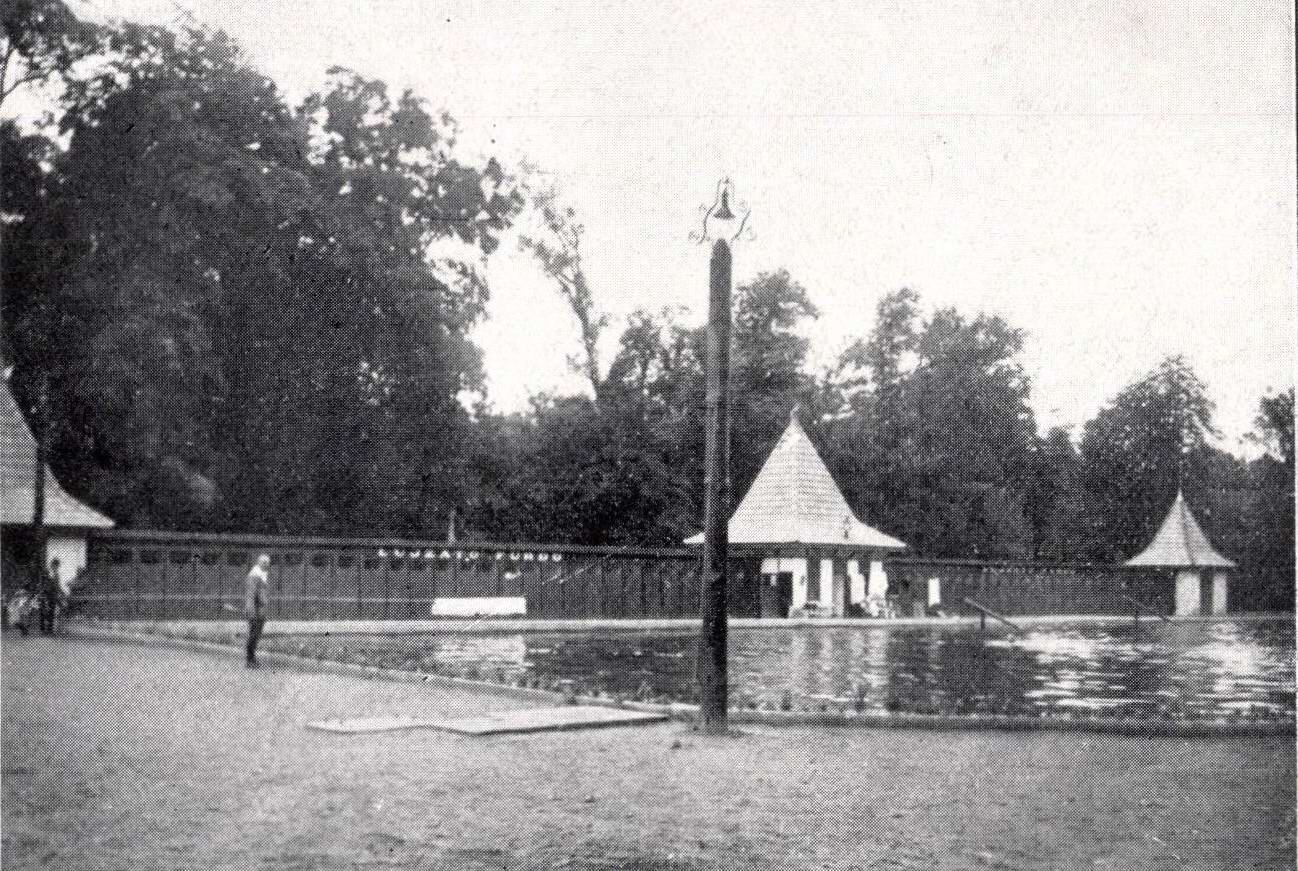
Harkány Thermal Bath (Harkányfürdő) is a medicinal spa complex in Baranya county, close enough to the Croatian border that Croatian plates are common in the car park. The water rises from 50-70 meters underground at about 62°C and carries a sulfur compound, carbonyl sulfide, that chemistry didn’t have a name for until it was found here in the 1860s. The complex spans 13.5 hectares with roughly 7,600 m² of water surface across the indoor Thermal Spa and the seasonal open-air Lido.


Why Does Harkány’s Water Contain a Compound That Didn’t Exist in Textbooks?
When chemists first analyzed the water in the 1860s, they found something that wasn’t in any chemistry textbook: carbonyl sulfide (COS). It hadn’t been described before; scientists identified it here first, according to the spa’s own water-chemistry page.
- Bivalent sulfur, not sulfates. The operator states this sulfur is absorbed through skin about 150 times more effectively than the tetravalent sulfates found in ordinary mineral water.
- About 12 mg of carbonyl sulfide per liter, enough for a measurable therapeutic dose.
- Total dissolved minerals of about 990 mg/l, with sodium, calcium and hydrogen-carbonate as the major components.

What Medical Conditions Can Harkány Actually Treat?
The water is officially indicated for three categories: musculoskeletal disorders, dermatological conditions (psoriasis in particular), and chronic gynecological inflammation. The medical department can treat more than 800 patients a day, per the operator.
Musculoskeletal and Rheumatic Conditions
About 90% of patients with locomotor disorders suffer from degenerative conditions in weight-bearing joints, hips, knees, ankles, spine. The hot sulfur water provides:
- Buoyancy that reduces joint load during movement
- Thermal effects that improve circulation and reduce inflammation
- Documented pain relief and mobility improvement over a treatment course
Psoriasis and Skin Conditions
A randomized study of 60 patients with plaque psoriasis compared three weeks of sulfur-water bathing with heated tap water. Both groups also received topical dithranol treatment. The sulfur-water group showed greater PASI improvement. An independent dermatologist assessed outcomes without knowing the allocation, but patients could recognize the water by its smell, so the trial was not double-blind. Discuss any treatment course with your clinician and the bath. PDF
Gynecological Treatments
The spa’s own history page states that “according to earlier studies, 30 per cent of sterile women treated here got later pregnant.” That’s the operator’s claim about its own historical patients, not an independently verified statistic, and it deserves the same skepticism you’d give any single-source number. Thermal water and local mud treatments have been used for chronic gynecological inflammation here for decades regardless.
Available Medical Treatments
- Lymphatic drainage therapy
- Curative gymnastics and physiotherapy
- Therapeutic massage
- Electrotherapy (ultrasonic, TENS, magneto-therapy)
- Underwater jet massage (tangentor)
- Effervescent tub-bath, for cardiac patients who can’t tolerate hot pools
- Mud treatments using local mud steeped in Harkány water
- Drinking cure
The spa accepts referrals from OEP (Hungary’s national health insurance) and private health insurance. If you’re here for treatment rather than tourism, verify your coverage before traveling.
What Pools and Facilities Does Harkány Have?
The complex has 8 pools across two areas, the indoor/covered Thermal Spa and the seasonal open-air Lido, spread across roughly 7,600 m² of water surface in the 13.5-hectare park.
| Pool | Temperature | Notes |
|---|---|---|
| Pool 1 | 34-36°C | Open thermal pool |
| Pool 1.B | 36-38°C | Covered thermal pool, the hottest |
| Pool 2 | 32-34°C | Half-covered thermal pool |
| Pools 13 & 14 | 30-35°C | Covered children’s pools |
Before planning around the wellness pools (10, 10A, 11 and 11A), call +36 72 580 880 to confirm access. They were covered by an earlier closure notice; plan a pool day around the areas confirmed open for your date.
Open-Air Bath (Lido)
The summer outdoor area adds pools, sunbathing lawns and leisure facilities across the park. It operates seasonally and carries separate, lower pricing.
Waterworld Features
Unlike some purely medicinal baths, Harkány includes family-friendly elements: slides, a children’s splash area and recreational pools alongside the therapeutic sections. Not as extensive as Zalakaros’s adventure complex, but enough to keep kids occupied while adults soak in the serious water.
How Much Does Harkány Thermal Bath Cost in 2026?
Prices below are from the operator’s own 2026 price list, checked 3 August 2026.
Thermal Spa & Waterworld (Main Complex)
| Ticket | Off-Peak | Peak |
|---|---|---|
| Adult day | 7,500 HUF | 8,000 HUF |
| Discounted (65+, students 4-18) | 6,500 HUF | 7,000 HUF |
| Afternoon (from 3 PM, off-peak only) | 6,800 HUF | N/A |
| Discounted afternoon | 5,800 HUF | N/A |
| Family (2 adults + 1 child 4-14) | 17,500 HUF | 18,500 HUF |
| Additional child (4-14) | 4,500 HUF | 4,700 HUF |
| Registration (0-3 years) | 500 HUF | 700 HUF |
| 7-entry pass, adult | 49,500 HUF | 51,500 HUF |
| 7-entry pass, discounted | 42,500 HUF | 45,500 HUF |
Open-Air Bath (Lido) Only
| Ticket | Price |
|---|---|
| Adult | 5,400 HUF |
| Discounted | 4,400 HUF |
| Family (2 adults + 1 child) | 13,000 HUF |
| 7-entry pass | 35,000 HUF |
Peak periods: Fridays, weekends, public holidays, school holidays, and the summer season (21 May-6 September 2026).
Compare other options in our Budapest thermal bath price breakdown.
What Are the Opening Hours at Harkány?
Thermal Spa (indoor): 10:00-18:00 daily. Open-air Lido: 10:00-18:00 during the summer season. Both checked against harkanyfurdo.hu on 28 August 2026. Hours have changed more than once already this year, the spa ran 8:00-19:00 as recently as February, so treat this as a snapshot rather than a promise and check the operator’s own hours page before an off-season visit. Medical Department: by appointment, typically mornings.
Harkány hosts Night Bath events (“Éjszakai fürdő”) with extended hours, music and special lighting; check the events calendar for scheduled dates.
How Do You Get to Harkány from Budapest?
The travel math is already above. Here’s how each mode actually breaks down.
| Mode | Time | Notes |
|---|---|---|
| Car (M6 then Route 58) | 2h45-3h | ~230-240 km; free parking at the spa |
| Train + bus | 4+ hours total | Train to Pécs (~3h) plus a local bus (30-40 min); 2026 track maintenance on the Budapest-Pécs line has been adding delays and replacement buses, check mavcsoport.hu before booking |
| From Lake Balaton | About 1.5-2 hours | A reasonable southern side trip if you’re already doing a Balaton trip |
Consider combining with Pécs, Hungary’s fifth-largest city with UNESCO World Heritage sites, and the Villány wine region nearby, both easily worth an overnight.
Local Tips for Harkány
The first choice is between a thermal day and a summer lido day. For medicinal pools and the covered areas, use the Thermal Spa and Waterworld ticket. The cheaper lido-only ticket suits the outdoor summer facilities; check that the season is still running before planning around it. A full day is easier for a family that wants lunch and several pool areas. The off-peak afternoon ticket suits a shorter visit after sightseeing.
At the entrance, sort out the whole group’s access together. Ask what the ticket includes and whether the locker is extra, then collect the wristband and locker key before arranging where to meet. Bring identification for discounted admission. Take a first walk around the pools to find the temperatures and areas that suit you.
With children, check slide height limits separately from pool access and ask about the medicinal-pool age rules. Leave room for food and a break in the park. Bring washable swimwear and a towel; the sulfur scent can stay in the fabric. Any prescribed treatment needs its own appointment, arranged with the medical team before the trip.
Google Maps. Checked 2026-09-12.
Choose one nearby outing
Siklós Castle is the closer cultural choice for a day built around Harkány. Its Gothic chapel, historic rooms and exhibitions give the outing a clear focus beyond the water. Visit before an afternoon bath or leave it for the next morning; there is no need to squeeze in another town as well.
Cella Septichora in Pécs takes you into the city’s early Christian burial heritage, including decorated underground tombs. This is a separate city outing with its own travel and visiting time, particularly worthwhile during an overnight stay. Keep a full Harkány day for bathing and give Pécs another part of the trip.
Siklós; Pécs; Cella Septichora. 2026-09-13.
Is Harkány worth your time?
Yes, when you give the place enough time and choose the pools that fit your day. Its strengths are the distinctive sulfur water, generous parkland and the choice between indoor, outdoor, swimming and medicinal areas. A single relaxed visit can be enjoyable on its own; anyone planning a treatment course should arrange the details with their clinician and the bath rather than expecting a result from one soak.
Pair Harkány with Pécs, Siklós or Villány for a rewarding southern-Hungary stay, and check the official pool availability and opening hours shortly before you go.
Been to Harkány?
Prices, hours and closures change. Tell us what you found and we fix the page.
Related Articles
Good to know
Is Harkány actually effective for psoriasis, or is that marketing?
A randomized study of 60 patients with plaque psoriasis compared three weeks of sulfur-water bathing with heated tap water. Both groups also received topical dithranol treatment. The sulfur-water group showed greater PASI improvement. An independent dermatologist assessed outcomes without knowing the allocation, but patients could recognize the water by its smell, so the trial was not double-blind. Discuss any treatment course with your clinician and the bath.
Why does the water smell like rotten eggs?
The sulfur smell comes from compounds naturally present in the water. Its intensity and how noticeable it feels vary. Bring swimwear you can wash afterward, take a shower after bathing and keep a separate bag for wet clothes.
Can I do Harkány as a day trip from Budapest?
By car, allow 2h45-3h each way. By public transport, the train to Pécs and connecting bus take over four hours each way; check current schedules. A single soak is a leisure visit; the study assessed a multi-session treatment course.
Are the wellness pools (whirlpools, jacuzzis) currently working?
Before planning around the wellness pools (10, 10A, 11 and 11A), call +36 72 580 880 to confirm access. They were covered by an earlier closure notice; plan a pool day around the areas confirmed open for your date.
Does Hungarian or foreign health insurance cover treatment here?
OEP/NEAK, Hungary's national health insurance, funds prescribed treatment courses on referral. Private international insurance may cover it too. Verify with your own provider and bring documentation before traveling if you're coming for treatment rather than tourism.
What should I bring?
Swimwear you don't mind smelling sulfurous afterward, flip-flops, a towel, photo ID if you qualify for the 65+ or student discount, and snacks, since on-site food options are limited. For medical treatments, bring your referral and any relevant records. Shower thoroughly after; the sulfur clings.