🎯 TL;DR
The Robert Capa Contemporary Photography Center houses the world’s only permanent exhibition dedicated to the legendary Hungarian war photographer. See 138 iconic images from D-Day to the Spanish Civil War. Small museum, big impact. Located on Budapest’s “Broadway” (Nagymező utca). Ticket ~2,000 HUF. Plan 1-1.5 hours.
📋 Robert Capa Center at a Glance
| Best For | Photography lovers, history buffs, WWII enthusiasts |
| Time Needed | 1–1.5 hours |
| Cost | ~2,000 HUF (~$5) | 8F Gallery FREE |
| Hours | Tue-Sun 11:00–19:00 (Closed Monday) |
| Getting There | Metro M1 to Opera, 2 min walk |
| Skip If | You prefer interactive exhibits or need English audio guides |
“If your pictures aren’t good enough, you’re not close enough.” That was Robert Capa’s philosophy—and it eventually cost him his life when he stepped on a landmine in Vietnam. But before that, the Hungarian-born photographer captured some of the 20th century’s most defining moments, from the Spanish Civil War to the D-Day landings.
The Robert Capa Contemporary Photography Center in Budapest is the world’s only museum dedicated to his complete body of work. It’s small, focused, and powerful—exactly the kind of museum that stays with you long after you leave.
Who Was Robert Capa?
Born Endre Friedmann in Budapest in 1913, Capa reinvented himself as “Robert Capa”—a fictional American photographer—because European editors paid more for American work. The persona stuck.
His career highlights read like a 20th-century history textbook:
- Spanish Civil War (1936-1939) — Including “The Falling Soldier,” one of history’s most famous war photographs
- D-Day (June 6, 1944) — One of only four photographers on Omaha Beach during the landing
- Liberation of Paris (1944) — Documented alongside Hemingway and Picasso
- Founding of Magnum Photos (1947) — Co-founded the legendary photo agency with Henri Cartier-Bresson
- First Indochina War (1954) — Where he died at age 40
He also famously dated Ingrid Bergman. The man lived a full life in 40 years.
What Will You See at the Capa Center?
The Photojournalist Robert Capa (Permanent Exhibition)
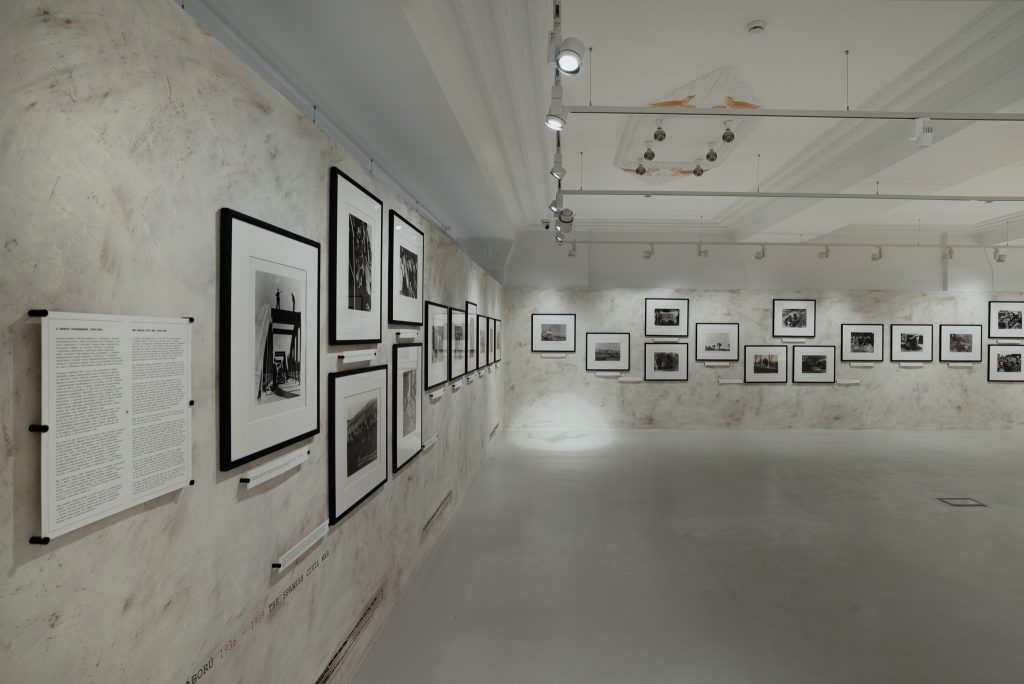
The main exhibition features approximately 138 photographs spanning Capa’s entire career. The collection is organized thematically rather than chronologically, letting you see how his eye and technique evolved across different conflicts and subjects.
Highlights include:
- Original prints from the Spanish Civil War
- The surviving D-Day photographs (most were destroyed in a darkroom accident)
- Portraits of Hemingway, Picasso, and other cultural figures
- Personal documents and correspondence
Temporary Exhibitions
The center hosts rotating exhibitions by contemporary photographers. Current shows (as of early 2026):
- PHOTO I BRUT – Instinctive Photography (until March 29, 2026) — Works by self-taught artists
- Zoltán Tombor – Lost & Found (extended until March 1, 2026) — Fashion photographer’s personal work
- André Kertész – The Sentimentalist (permanent) — Another legendary Hungarian photographer
8F Gallery (Free Entry)
The top-floor gallery is free to visit and features emerging photographers. Worth a quick look even if you’re short on time.
💰 Robert Capa Center Prices (2026)
- Full price: ~2,000-2,500 HUF (~$5-7)
- Reduced (students): ~1,200-1,500 HUF
- 8F Gallery: FREE
Prices vary by exhibition. Check capacenter.hu
🕐 Opening Hours
- Tuesday–Sunday: 11:00–19:00
- Monday: CLOSED
- Ticket office closes: 30 minutes before closing
How Do You Get There?
The museum is at Nagymező utca 8—right on Budapest’s “Broadway” theater district, a 2-minute walk from the Opera.
- Metro: M1 (yellow line) to Opera station
- Walking: 10 minutes from Deák tér
The building itself is easy to miss—look for the small entrance between theaters. The museum occupies multiple floors of a historic building.
Is the Robert Capa Center Worth It?
If you have any interest in photography, journalism, or 20th-century history: absolutely yes. The museum is small enough to visit in an hour but substantial enough to leave an impact.
It’s not a flashy, interactive museum—it’s photographs on walls, well-curated and well-lit. If you prefer pushing buttons and watching videos, this might not be for you. But if you appreciate the power of still images to capture history, Capa’s work is essential viewing.
Combined with the free House of Terror (just up Andrássy út), you can do a powerful morning of 20th-century Hungarian history.
What Are People Saying?
“Small museum, incredible impact. The D-Day photos alone are worth the visit. Finally understood why Capa is considered the greatest war photographer.”
— TripAdvisor Traveler
“Very focused exhibition. Not overwhelming, just powerful. The André Kertész show is a nice bonus—two legendary Hungarian photographers in one visit.”
— Google Reviews
FAQ
How long do you need at the Capa Center?
1-1.5 hours is enough to see everything thoroughly. Photography enthusiasts might want longer.
Is there an audio guide?
Limited—most information is on wall panels in Hungarian and English.
Is it suitable for children?
The war photography is powerful but not gratuitously graphic. Use your judgment based on your child’s sensitivity.
Can you take photos inside?
Usually yes for personal use, but no flash. Check current policy at the entrance.
📍 Robert Capa Center Info
- Address: Nagymező u. 8, 1065 Budapest
- Website: capacenter.hu
- Metro: M1 to Opera (2 min walk)
- Hours: Tue-Sun 11:00-19:00
Related Articles
- House of Terror: Budapest’s Most Powerful Museum
- Hungarian National Gallery
- Best Museums in Budapest
Last updated: February 2026