🏔️ TL;DR – Buda Hills Hotels in 60 Seconds
Forest Calm, Clean Air, and Zero Downtown Chaos
Bottom Line: If you want Budapest with trees, trails, and fresh air — and you don’t mind a short commute — the Buda Hills deliver unmatched calm.
Every time a friend visits from abroad, I ask them the same question: “Do you want the Instagram Budapest, or do you want to see how we actually live?”
Most pick Instagram Budapest. They book a central apartment, fight through the crowds at Szimpla Kert, and return home thinking the entire city smells like ruin bars and kürtőskalács. And look, that’s fine—the ruin bars are genuinely fun, and I’ve written about them extensively. But they’re missing something.
Last month, my college roommate from the US stayed at a hotel near Normafa. On his first morning, he texted me a photo of deer grazing outside his window. “Bro, I thought you said this was a capital city?” Technically still Budapest. Twenty-five minutes from Deák Ferenc tér. But a completely different universe from the Pest-side tourist zone.
Here’s what most visitors never realize: the Buda Hills have hotels. Not just one obscure pension, but an entire ecosystem of accommodations—wellness retreats, spa hotels, family-friendly aparthotels, budget pensions with million-dollar views. Places where Budapestians actually escape on weekends. Places where the loudest sound at night is an owl, not a bachelor party.
The Buda Hills represent Budapest’s great untold accommodation story. While every travel guide obsesses over District V’s proximity to the Chain Bridge or District VII’s stumbling distance to the Jewish Quarter nightlife, an entire world exists in the forested hills of western Buda—places where you can hike to a 527-meter summit before breakfast and still make it to the Parliament building by lunch.
This guide covers everything you need to know about staying in Budapest’s elevated neighborhoods: the specific hotels worth booking, the realistic transport logistics, the genuine trade-offs involved, and the insider knowledge that transforms “inconvenient location” into “best-kept secret.”
Why the Buda Hills Deserve a Spot on Your Accommodation Shortlist
Let me address the elephant in the room immediately: yes, staying in the Buda Hills means you’ll spend more time on public transport than someone staying on Váci utca. That’s the trade-off, and there’s no point pretending otherwise.
But here’s what those central-Budapest-or-nothing guides never mention: the hills offer something you simply cannot get in Pest. Wake up to forest views instead of courtyard walls. Walk out your door onto marked hiking trails instead of crowded sidewalks. Fall asleep to actual silence instead of the bass thump from the bar downstairs.
The Buda Hills stretch across Districts II and XII, encompassing neighborhoods with distinct personalities. Normafa draws weekend hikers and families to its meadows. Svábhegy (Swabian Hill) maintains its old-money residential character. Hűvösvölgy—literally “Cool Valley”—lives up to its name with shaded forest trails. Pasarét offers a transitional zone where leafy calm meets excellent transport links. And upper Rózsadomb (Rose Hill) provides the greenery without fully committing to the wilderness.
These aren’t remote mountain villages. They’re city neighborhoods where Budapest residents actually live, with grocery stores, restaurants, and bus stops. The difference is density—instead of six-story apartment blocks, you get villas with gardens. Instead of tram noise, you get woodpeckers.
For the right traveler, this isn’t a compromise. It’s the entire point.
Understanding the Neighborhoods: Where Exactly Are We Talking About?
Before diving into specific hotels, let me decode the geography, because “Buda Hills” covers a lot of ground.
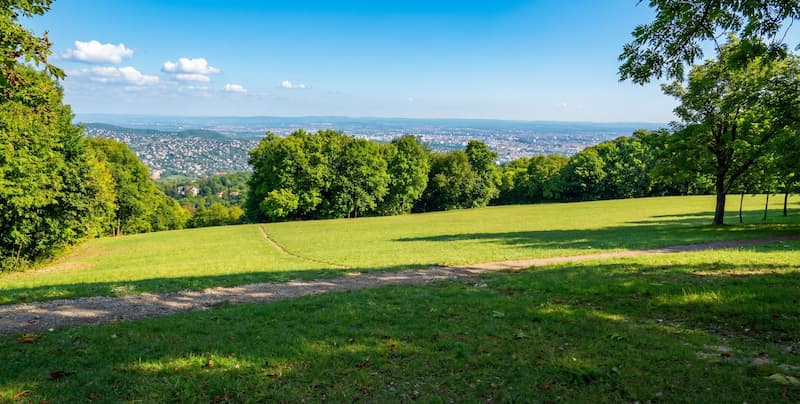
Normafa sits at roughly 450 meters elevation, centered around a famous beech tree (well, a replacement of the original) and a meadow that becomes Budapest’s favorite weekend escape. This is the heart of hillside recreation—the Children’s Railway stops here, hiking trails radiate in every direction, and on sunny Sundays, half the city seems to show up with picnic blankets. Hotels here put you directly in the action for outdoor activities but furthest from downtown.
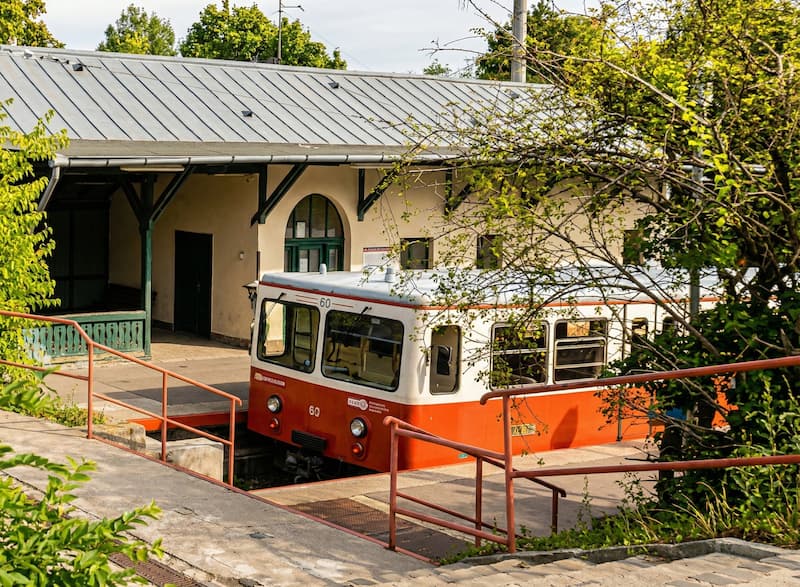
Svábhegy (Swabian Hill) occupies the slopes below Normafa, historically one of Budapest’s wealthiest residential areas. The Cogwheel Railway terminates at Széchenyi-hegy, the hill’s upper station, making this area more accessible than it first appears. Accommodation here tends toward established hotels and pensions with that slightly faded grandeur of old Buda money.
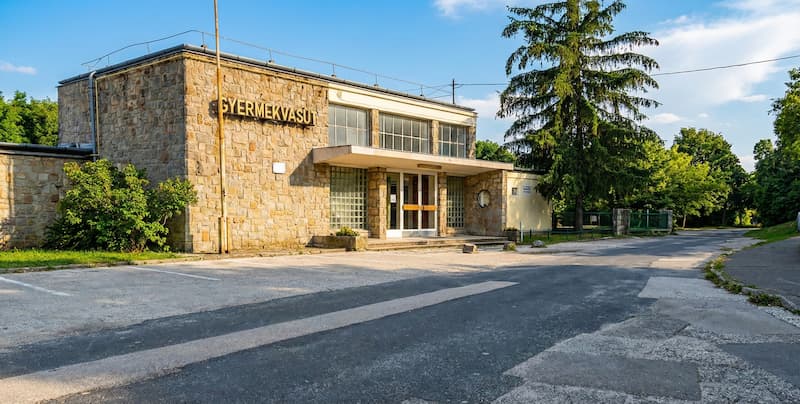
Hűvösvölgy (Cool Valley) follows a valley northwest from the city, ending at the Children’s Railway’s starting point. Less touristy than Normafa, it offers a more authentic slice of local life—the kind of neighborhood where you’ll see more dog walkers than camera-wielding visitors.
Pasarét represents the sweet spot for travelers who want hillside atmosphere without full commitment to the forest. This District II neighborhood sits lower on the slopes with significantly better transport connections. The famous Pasarét Square, surrounded by 1930s Bauhaus architecture, puts you just ten minutes from Széll Kálmán tér metro station while still delivering that leafy Buda tranquility.
Upper Rózsadomb (Rose Hill) technically belongs to the established “good neighborhoods” of Buda, though its upper reaches blend into genuine hillside terrain. Hotels here offer the easiest downtown access of any hills area while maintaining a distinctly green, residential character.
The Luxury and Wellness Tier: Forest Retreats Worth the Splurge
Normafa Hotel & Retreat
Let’s start with the property that’s genuinely transforming what “Budapest accommodation” can mean.
The Normafa Hotel has undergone a dramatic identity shift in recent years, evolving from a standard hilltop hotel into a full-fledged wellness retreat. The current incarnation brands itself around yoga, meditation, and what they call “Vasatu design principles”—a philosophy that influences everything from the vegetarian-only restaurant to the daily sound bath sessions.
I’ll be direct about what this means: if you’re looking for a hotel that serves schnitzel and has a rowdy bar, look elsewhere. Normafa Hotel doesn’t serve meat or alcohol. Guests come here to attend sunrise yoga in the geodesic dome, float in the panoramic infinity pool overlooking the forest, and experience what multiple reviewers describe as “the best sauna I’ve ever used.” The property has leaned fully into the spiritual retreat model, complete with multi-day Kundalini programs and digital detox packages.
Room rates range from approximately 22,000 to 78,000 HUF per night (roughly $60-210 USD), positioning this firmly in the upper tier for Budapest accommodation. For that price, you get free breakfast at their vegetarian restaurant, access to the pool and thermal facilities, and proximity to some of the city’s best hiking. The Normafa meadow sits essentially at your doorstep, with trails leading directly to János Hill and the Elizabeth Lookout Tower.
The critical detail: no guests under 14 permitted. This is explicitly an adults-only property, which contributes to the serenity but rules it out for families with kids.
Guest reviews consistently hover around 9.6/10 on booking platforms, with particular praise for the infinity pool views, the quality of the wellness programming, and the profound quiet. One reviewer wrote that the experience was “life-changing”—which might sound like hyperbole until you spend a few days breathing forest air instead of diesel fumes.
Address: Eötvös út 52-54, 1121 Budapest (District XII) Transport: Normafa bus stop directly outside; buses 21/21A to Széll Kálmán tér in 20-25 minutes
Book & Learn More:
Hotel Tiliana Wellness & Spa
Where Normafa Hotel has gone full spiritual retreat, Hotel Tiliana maintains the classic European spa hotel model—and does it well.
This four-star property occupies 2.5 hectares of parkland in District II’s Hárshegy area, offering the kind of grounds that make guests do double-takes. Indoor pool, outdoor summer pool, full-service spa, tennis court, and gardens with actual playgrounds. The difference from Normafa is immediate: families are not just welcome here, they’re specifically catered to with quad rooms, children’s facilities, and a restaurant that serves proper Hungarian food alongside international options.
Rates typically fall between 26,000 and 52,000 HUF per night ($71-142 USD), which represents solid value for a genuine four-star spa hotel—particularly compared to similar properties in Austria or Germany. The 49 rooms include configurations from doubles to family quads, and the breakfast situation receives consistent praise.
The guest profile here skews toward families with children, couples seeking a spa weekend, and the occasional business traveler using the conference facilities. The vibe is more traditional hospitality than wellness retreat—you can order a glass of wine with dinner and nobody’s asking about your chakras.
Transport-wise, Tiliana sits about a 15-minute drive from the city center, with the Labanc út bus stop roughly 150 meters away. It’s not as convenient as staying in Pest, but the bus connections function reliably for guests willing to factor in some commute time.
Address: Hárshegyi út 1-3, 1021 Budapest (District II) Transport: Bus to Széll Kálmán tér; property offers free parking for guests with cars
Book & Learn More:
The Mid-Range Sweet Spot: Quality Without the Premium
Petneházy Aparthotel
This is the property that keeps surprising me every time I recommend it.
Petneházy sits in Adyliget, a neighborhood most tourists have never heard of, occupying nine hectares of grounds that include 77 apartments and 45 Scandinavian-style cottages. The visual effect is striking—you could convince yourself you’ve teleported to a Swedish forest retreat, except you’re still technically within Budapest city limits.
What sets Petneházy apart is its combination of space, facilities, and price. Rates start around 9,200 HUF and top out around 28,000 HUF ($25-77 USD)—significantly cheaper than comparable apartment-style accommodations in central Pest. For that money, you get fully equipped kitchenettes, access to indoor and outdoor pools, and grounds large enough to wander without seeing the same tree twice.
The property has also staked out a specific niche: dogs. And I don’t mean “dogs tolerated”—I mean dogs are explicitly welcomed as “full-fledged guests,” complete with a dedicated dog pool and staff who understand that traveling with pets requires specific accommodations. If you’re visiting Budapest with a dog and want to give them actual running space instead of cramped city sidewalks, this is your answer.
Many of the cottages include private saunas, which at these price points feels almost unreasonable. The tradeoff is location—Petneházy requires either a car or use of their shuttle service to Széll Kálmán tér metro station. This isn’t a “walk out the door and explore” situation; you’re committing to a base-camp approach where you return to genuine tranquility after city excursions.
Address: Feketefej utca 2-4, 1029 Budapest (Adyliget) Transport: Shuttle to Széll Kálmán tér; approximately 15-minute drive to center
Book & Learn More:
- Petneházy Aparthotel – Official Website
- Petneházy Aparthotel on Booking.com
- Petneházy Aparthotel Reviews on TripAdvisor
- Petneházy Aparthotel on Expedia
Klebelsberg Kastély
Budapest’s only castle hotel, and it costs less than most generic business hotels in District V.
The Klebelsberg Kastély occupies a renovated Belle Époque palace named after Count Kuno Klebelsberg, who served as Hungary’s Minister of Culture in the 1920s and lived here until 1932. The property underwent extensive renovation and now offers 26-29 rooms in a setting that genuinely feels like sleeping in history.
At 18,000-27,000 HUF per night ($49-75 USD), the pricing borders on absurd given what you’re getting. The palace grounds include landscaped botanical gardens, inner courtyards with the patina of proper age, and the kind of atmosphere that makes guests describe the experience as “like a fairy tale.” This isn’t marketing fluff—the building genuinely delivers that slightly otherworldly quality of waking up in a place with serious architectural heritage.
The location in Pesthidegkút places you firmly in the residential hills, requiring either a car or bus connections to reach central attractions. Breakfast quality receives mixed reviews depending on the visit, which suggests some inconsistency worth noting. But for travelers prioritizing atmosphere and value over convenience, Klebelsberg represents a unique option with no real equivalent in Budapest’s accommodation landscape.
Address: Templom utca 12, 1028 Budapest (Pesthidegkút) Transport: Bus connections to center; free parking for guests with vehicles
Book & Learn More:
- Klebelsberg Kastély – Official Website
- Klebelsberg Kastély on Booking.com
- Klebelsberg Kastély on Expedia
- Klebelsberg Kastély on KAYAK
Hotel Rose City
For travelers who want Buda Hills character with Pest-level transport access, Hotel Rose City threads the needle.
This 34-room property on upper Rózsadomb sits just ten minutes’ walk from Széll Kálmán tér—one of Budapest’s major transport hubs, where the M2 metro meets multiple tram and bus lines. That proximity makes Rose City the most accessible of the hills hotels, eliminating the “how do I get downtown?” anxiety that keeps some travelers from considering elevated locations.
Rates range from 17,500 to 33,000 HUF ($48-90 USD), which booking platforms note runs about 19% below Budapest’s three-star average. For that money, you get air conditioning, a garden with sunbeds, a roof terrace with city views, and the kind of quiet street that makes you forget you’re still within walking distance of a metro station.
The guest profile here tends toward budget-conscious travelers who’ve done their research—people who understand that staying slightly outside the tourist core often delivers better value without meaningful sacrifice. Reviews consistently highlight the value-for-money proposition and the surprisingly peaceful atmosphere given the solid transport links.
Address: Rózsahegy utca 3/B, 1024 Budapest (District II) Transport: 10-minute walk to Széll Kálmán tér (M2 metro, Tram 4/6)
Book & Learn More:
- Hotel Rose City – Official Website
- Hotel Rose City on Booking.com
- Hotel Rose City Reviews on TripAdvisor
- Hotel Rose City on Hotels.com
The Budget Tier: Maximum Value in the Hills
Beatrix Hotel
Three-time winner of Hungary’s “Pension of the Year Award,” recommended by the Good Hotel Guide since 1991, and still flying under most tourists’ radar.
The Beatrix operates as a family-run pension in District II, offering the kind of personalized hospitality that chain hotels simply cannot replicate. Rooms run 22,000-33,000 HUF ($62-90 USD)—not dirt-cheap, but reasonable for what you’re getting: secure gated parking, a garden terrace, and owners who’ve spent three decades perfecting the guest experience.
Summer brings barbecue evenings and goulash parties in the garden, the sort of thing that transforms “place I sleep” into “memorable travel experience.” The property sits about 300 meters from Tram 61, which delivers you to Széll Kálmán tér in seven stops.
Two caveats worth noting: payment is cash-only, and air conditioning isn’t available in all rooms. Neither is a dealbreaker, but both are worth knowing before you book.
Address: Szeher út 3, 1021 Budapest (District II) Transport: Tram 61 (300m walk); Bus 5 to downtown
Book & Learn More:
- Beatrix Hotel – Official Website
- Beatrix Hotel on Booking.com
- Beatrix Hotel Reviews on TripAdvisor
- Beatrix Hotel on KAYAK
Hotel Molnár
The best-value panorama in Budapest, attached to a perfectly serviceable budget hotel.
Hotel Molnár occupies a position on Széchenyi Hill that delivers genuinely stunning views of the city below. The 23 rooms across two buildings won’t win design awards, and some of the furniture has seen better decades, but the combination of included breakfast, garden views, and rates starting around 14,000 HUF ($38 USD) makes this the undisputed budget champion of the hills.
The property attracts a high rate of repeat guests—always a telling indicator. People discover Hotel Molnár, appreciate the value proposition, and come back. The sauna carries an extra charge, but the outdoor terrace and garden access more than compensate.
Location requires some commitment: Bus 53 from the Tram 59 terminus at Széll Kálmán tér, plus willingness to navigate steep hills without elevator access. Travelers with mobility concerns or heavy luggage should factor this honestly into their planning.
Address: Fodor u. 143, 1124 Budapest (District XII) Transport: Bus 53 from Széll Kálmán tér; approximately 20 minutes to center
Book & Learn More:
- Hotel Molnár – Official Website
- Hotel Molnár on Booking.com
- Hotel Molnár Reviews on TripAdvisor
- Hotel Molnár on Expedia
- Hotel Molnár on Szallas.hu
Pasarét Studio Apartment
For travelers who prefer apartment-style independence, this Bauhaus-building studio in Pasarét delivers exceptional value with exceptional transport links.
The single-bedroom apartment (30 square meters) includes a fully equipped kitchenette, air conditioning, enclosed parking, and a patio overlooking the building’s garden. Rates of 28,000-34,000 HUF ($75-92 USD) position this competitively against similar apartments in central Pest, with the bonus of genuine neighborhood atmosphere and significantly easier parking.
Transport access is the real selling point here. Bus 5 stops directly outside. Tram 61 runs nearby. The Cogwheel Railway is walkable. Most critically, Széll Kálmán tér sits just five minutes away—meaning you get hillside quiet with functionally urban convenience.
Guest ratings for couples hit 9.7/10 on Booking.com, suggesting this apartment particularly suits two-person trips seeking space and self-catering capability.
Address: Pasaréti út 21, 1026 Budapest (District II) Transport: Bus 5 at doorstep; 5 minutes to Széll Kálmán tér metro
Book & Learn More:
- Pasarét Studio on Booking.com
- Pasarét Apartman (larger unit) on Booking.com
- Pasarét Studio on Agoda
- Pasarét Studio on RevNGo
Getting Downtown: The Real Transport Logistics
Let me be specific about commute times, because vague assurances of “easy transport” don’t help anyone plan their days.
The Cogwheel Railway (Line 60) is your friend. This 130-year-old rack railway climbs from Városmajor (just below Széll Kálmán tér) to Széchenyi-hegy over 3.7 kilometers, taking about 15 minutes and stopping at ten stations along the way. The critical detail: standard BKK tickets and passes work on the Cogwheel Railway. No special tickets required. It runs every 15-20 minutes from 5 AM to 11 PM. For more on navigating Budapest’s transport system, check out my complete guide to travel apps.
Key bus routes include the 21 and 21A (Széll Kálmán tér to Normafa), Bus 291 (Nyugati railway station to Zugliget chairlift), and Bus 212 as an alternative Normafa option. Frequency runs every 10-20 minutes on weekdays, less often on weekends.
Here’s what those connections translate to in actual travel time:
From Normafa or Svábhegy to the Parliament Building: 35-45 minutes via bus to Széll Kálmán tér, M2 metro to Kossuth Lajos tér.
To the Ruin Bars in District VII: 40-50 minutes via the same route, continuing on M2 to Blaha Lujza tér.
To Buda Castle: 25-35 minutes via bus to Széll Kálmán tér, then Bus 16 or 16A up Castle Hill.
To Széchenyi Thermal Baths: 50-60 minutes involving multiple transfers—this is the connection that genuinely tests your commitment to hillside accommodation.
The night transport reality check: Public transport does not serve the Buda Hills after approximately 11:30 PM. Tram 6 runs 24 hours, but it only reaches Széll Kálmán tér. If you’re planning late nights in the ruin bars, budget for Bolt or taxi rides back (expect 4,000-7,000 HUF from the center to the hills).
What You Can Actually Do Without Leaving the Hills
One of the underappreciated aspects of Buda Hills accommodation is how much exists within walking distance—meaning you don’t necessarily need to commute downtown every single day.
From Normafa, you can reach the Elizabeth Lookout Tower on János Hill (Budapest’s highest point at 527 meters) via a 30-60 minute forest walk. The Libegő chairlift upper station sits about 1.4 kilometers away on a gentle path. The Children’s Railway stops directly at Normafa, offering rides through the forest to Hűvösvölgy. Budakeszi Wildlife Park lies within an hour’s walk for families with energy to spare.
The hiking trail network is extensive and well-marked. The national blue trail (Országos Kéktúra) passes through the area, and colored markers guide you through beech forests to viewpoints throughout the hills. A popular loop runs 3.2 miles (5.2 kilometers) from Normafa to the Elizabeth Lookout and back, gaining about 380 feet of elevation—manageable for anyone with reasonable fitness.
Dining in the hills has improved significantly. The Normafa Síház restaurant reopened in late 2023 after major renovations, now serving elevated Hungarian cuisine under Executive Chef Kovács Árpád (previously of Vár: a Speiz). They’ve added Neapolitan pizza on Tuesdays, baked in an imported Italian oven at 400°C. Kőbüfé sits right at the Children’s Railway stop, serving homemade Hungarian food in a forest setting. The original Normafa Rétes strudel stand has operated since 1978, maintaining its position as the essential post-hike snack stop—the kürtőskalács and rétes here are the real deal.
Down in Hűvösvölgy, Náncsi Néni restaurant offers a shaded garden and specializes in duck and goose dishes. Fenyőgyöngye Vendéglő has served traditional Hungarian food since 1935—one of the city’s oldest continuously operating hillside restaurants.
You won’t find international cuisine diversity or the restaurant scene that defines central Pest. But you also won’t go hungry, and what exists tends toward genuine quality rather than tourist-trap pricing.
Best Time to Visit: Seasonal Considerations
Spring and autumn represent the sweet spot for Buda Hills stays. Moderate temperatures make hiking genuinely pleasant, all attractions operate on full schedules, and you avoid the extremes that define Budapest’s climate. April brings wildflowers to the forest trails. October delivers what Hungarian hikers describe as a “painter’s palette” of autumn colors across the hillsides.
Summer means maximum service frequency on all transport and attractions, but weekend crowds at Normafa can test your patience. The flip side: even during heatwaves, the forested trails stay significantly cooler than the city below. One regular runner notes that “even in a heatwave, the 3km loop around Normafa is runnable—fully shaded.” Weekday visits deliver relative solitude.
Winter opens different possibilities. The Cogwheel Railway runs year-round. Designated sledding slopes at Normafa see action whenever snow permits, and cross-country skiing happens during proper winters. The Elizabeth Lookout becomes genuinely magical with snow—”like a fairytale,” according to winter visitors. The Children’s Railway closes Mondays from September through April, which is worth noting for family planning.
A special consideration for late November and December: Budapest’s festive fleet includes a decorated Cogwheel Railway train during Advent (typically late November through December 23), adding seasonal atmosphere to the commute.
Who Should Book a Buda Hills Hotel (And Who Shouldn’t)
Perfect for:
Nature lovers and hikers who want trail access literally outside their door. Wellness seekers interested in more than thermal baths. Families wanting green space, playgrounds, and room for kids to run. Couples seeking genuine quiet for a romantic escape. Repeat visitors who’ve seen the main sights and want a different Budapest experience. Remote workers needing a peaceful base with city access. Travelers with dogs who need proper outdoor space. Anyone with a rental car—parking is free everywhere in the hills.
Skip if:
You’re visiting Budapest for the first time with limited time and want to maximize sightseeing efficiency. Your main interest is the nightlife scene and ruin bar culture. You have mobility concerns that make hills and stairs problematic. You’re traveling on a very tight schedule where transport time matters significantly. You don’t want to think about logistics—you want to walk out the door and be in the action immediately.
There’s no judgment in either category. The Buda Hills represent a specific type of Budapest experience that rewards certain travelers and frustrates others. Knowing which category you fall into before booking saves everyone disappointment.
The Realistic Negative: What You’re Giving Up
I’ve spent this entire guide explaining why the Buda Hills work as a Budapest base, so let me be equally clear about the genuine tradeoffs.
You are trading spontaneity for tranquility. In central Pest, you can decide at 10 PM to check out a bar you just heard about and walk there in ten minutes. In the Buda Hills, that same decision involves checking bus schedules, calculating travel time, and likely paying for a taxi home. The nightlife isn’t inaccessible—it’s just premeditated rather than spontaneous.
You are trading variety for specialization. Want to try three different restaurants in one evening? Easy in District VII, complicated from Normafa. The dining options in the hills are genuinely good, but they’re limited in number and style. You won’t find a different cuisine on every corner.
You are accepting transport dependency. Even the best-connected hills hotels require bus rides to reach metro stations. If the idea of public transport stresses you out, or if you strongly prefer walking everywhere, the hills will feel like friction rather than escape.
The travelers who love Buda Hills stays are those who’ve made peace with these tradeoffs—who see the 30-minute bus ride as decompression time rather than wasted time, who value the quiet evenings more than they miss the spontaneous ones.
Local Insider Tips That Actually Help
On the Bus 21A: Weekend afternoons between 2-5 PM, this bus to Normafa gets genuinely crowded. If you’re heading up for a sunset hike, catch an earlier bus and spend the extra time wandering. If you’re coming down, the later buses thin out after most families have headed home.
On the Cogwheel Railway’s quieter cousin: Bus 291 from Nyugati railway station to Zugliget (for the Libegő chairlift) tends to run emptier than the Normafa routes. It’s a useful alternative approach to the hills, especially if you’re starting your day from the Pest side.
On extending your range: The Budapest Card includes unlimited public transport, which covers the Cogwheel Railway but not the chairlift or Children’s Railway. If you’re planning multiple days of hills exploration, the transport pass pays for itself and removes the mental arithmetic of ticket purchases.
On the best breakfast view: If you’re staying somewhere with a basic breakfast or no breakfast included, Kőbüfé at the Children’s Railway Normafa stop does morning coffee and pastries in a setting that beats any hotel dining room. Get there early on weekends.
On the restaurant timing: Normafa Síház has limited capacity and no reservations for their terrace—arrive for an early lunch (before noon) on weekends or risk waiting. Their Tuesday pizza nights draw local crowds specifically.
Practical Information Summary
Getting to the Buda Hills from the Airport: The most direct route: Airport shuttle or taxi to your hotel (approximately 15,000-20,000 HUF). Public transport alternative: Bus 100E to Deák Ferenc tér, M2 metro to Széll Kálmán tér, then bus to your specific hills area. Allow 90-120 minutes for the public transport option.
Essential Apps: BudapestGO (official Budapest transport app with real-time arrivals), Bolt (ride-sharing for late nights), Google Maps (reliable for Budapest walking and transit directions).
Useful Numbers: BKK transport information: +36 1 3 255 255 (for advance booking of early morning/late evening Cogwheel Railway trips)
What to Pack Differently: If you’re staying in the hills with plans to hike, bring proper walking shoes even if you’d otherwise rely on city footwear. The forest trails can get muddy after rain, and the terrain is genuinely uneven.
Conclusion: A Different Kind of Budapest Stay
Here’s what I keep telling friends who ask where they should stay: the Buda Hills don’t make sense for every Budapest trip, but for the right trip, they’re irreplaceable.
You cannot replicate the experience of waking up to forest views and birdsong by staying in Pest and taking day trips to the hills. You cannot get the accumulated relaxation of multiple quiet evenings by spending your days in nature and your nights in a District VII apartment. The Buda Hills work as a base precisely because they surround you with what makes them special—not as a day trip destination you visit and leave.
The 95% of travel guides that ignore hillside accommodation aren’t wrong that central Pest is more convenient. They’re just defining “best location” too narrowly. For hikers, for wellness seekers, for families wanting space, for repeat visitors craving something different, for anyone who’s realized that vacation quality isn’t measured in proximity to landmarks—the Buda Hills deserve serious consideration.
My recommendation: if any of the traveler profiles above sound like you, book at least part of your Budapest stay in the hills. Three nights lets you properly settle in, explore the trails, and experience what it means to have a different kind of urban retreat. You’ll spend a bit more time on buses. You’ll have fewer restaurant options at your doorstep. You’ll need to plan your evenings with a little more intention.
And you might discover, as countless visiting friends have told me, that the trade-offs aren’t really trade-offs at all—just a different way of experiencing a city that has more to offer than most visitors ever realize.
Now, the only question is which hills neighborhood matches your priorities. The research above should help with that. And if you’re still unsure, Pasarét offers the gentlest introduction: green and quiet, but close enough to central Buda that you’re never more than 15 minutes from the urban conveniences you might not be ready to fully leave behind.
My college roommate? He extended his trip by two days. Said he finally understood why I keep living here instead of moving somewhere “exciting.” Sometimes the most exciting thing is finding peace in a capital city of two million people.
That’s the Buda Hills. Now go book something.
Frequently Asked Questions
Can I stay in the Buda Hills and still see Budapest’s main attractions?
Absolutely. The transport connections aren’t instant, but 35-45 minutes gets you to Parliament, the Castle District, or the Central Market Hall. Most travelers find this completely workable, especially if you frame the commute as part of the experience rather than an obstacle. The key is adjusting your expectations—you’re trading “step outside and you’re there” for “short journey but worth it.”
Are Buda Hills hotels safe at night?
The Buda Hills neighborhoods are among Budapest’s safest, with low crime rates and a residential character. The streets are quiet after dark—sometimes almost eerily so if you’re used to urban bustle—but that’s peaceful quiet, not sketchy quiet. The main consideration isn’t safety but transport: after 11:30 PM, you’ll need taxi or Bolt to get home from the city center.
What’s the best Buda Hills area for families with kids?
Hotel Tiliana is purpose-built for families, with playgrounds, family rooms, and children’s facilities. Petneházy Aparthotel offers abundant outdoor space and cottage-style accommodation that gives kids room to move. Both properties beat any central Pest hotel for kid-friendliness, and the proximity to the Children’s Railway adds a genuine highlight that most family trips to Budapest miss entirely.
Do I need a car to stay in the Buda Hills?
No, though having one makes things easier. The bus and Cogwheel Railway connections are reliable, and most hotels sit within reasonable walking distance of stops. That said, guests with cars consistently report more flexibility and less planning required. Free parking at virtually all hills properties removes the cost and hassle factor that makes driving in central Budapest frustrating.
How far in advance should I book Buda Hills hotels?
Properties like Normafa Hotel and Petneházy Aparthotel can fill up during peak seasons (May-September) and around holidays, so booking 2-4 weeks ahead is wise for these. Smaller pensions like Hotel Molnár and Beatrix Hotel typically have more availability but still warrant advance booking for specific dates. The limited inventory in the hills means less last-minute flexibility than you’d find in central Pest.
Is there food delivery to Buda Hills accommodations?
Yes—Wolt and Foodpanda both service the hills neighborhoods, though restaurant selection is naturally more limited than in central districts. Properties with kitchenettes (Petneházy, Pasarét apartment) give you self-catering options as well. You won’t starve, but if diverse food delivery options are important to your travel style, this is worth considering.
What’s the best season for a Buda Hills stay?
Spring (April-May) and autumn (September-October) offer ideal hiking weather and manageable crowds. Summer delivers longest operating hours and fullest schedules but weekend crowds at popular spots like Normafa. Winter appeals to travelers seeking lower prices, snow atmosphere (when it happens), and a genuinely different experience of the hills.