Hungarian Breakfast in Budapest: What to Eat and Where to Try It
On this page
- The dishes to know
- Bundás kenyér: savory French toast
- Körözött: the paprika cheese spread
- Eggs and savory plates
- Pastries: pogácsa, csiga, táska
- Where to try a Hungarian breakfast
- Két Szerecsen Bisztró és Kávéház
- Pest-Buda Bistro
- Cafe Brunch Budapest
- Centrál Kávéház
- Daubner Cukrászda
- Markets: buy the ingredients
- Service charge and tipping
- Before you go
A Hungarian breakfast leans savory: fresh bread with cold cuts, cheese and crunchy peppers, eggs scrambled with onion and paprika, a bowl of paprika-red körözött, and a bakery pastry on the way out. In Budapest you can eat it at a traditional bistro, a historic coffee house or a modern brunch café, and buy everything you need for your own at the market halls. Below: the dishes first, then where to try them, with breakfast hours and prices read at each place.


If you are mainly choosing where to sit down tomorrow morning, our guide to the best breakfast in Budapest sorts the cafés by opening hours and booking. This page is about the food.
The dishes to know
Bundás kenyér: savory French toast
The name means “coated bread”. Slices of bread, often a day old so they hold their shape, are dipped in seasoned egg, sometimes with a splash of milk, and fried until golden. In Hungary it stays savory: the hot slices are rubbed with a cut clove of garlic and salted, and served with sour cream, grated cheese or a side of fresh vegetables. It began as a thrifty way to use up yesterday’s bread, and it is still a much-loved comfort dish on Hungarian breakfast tables.
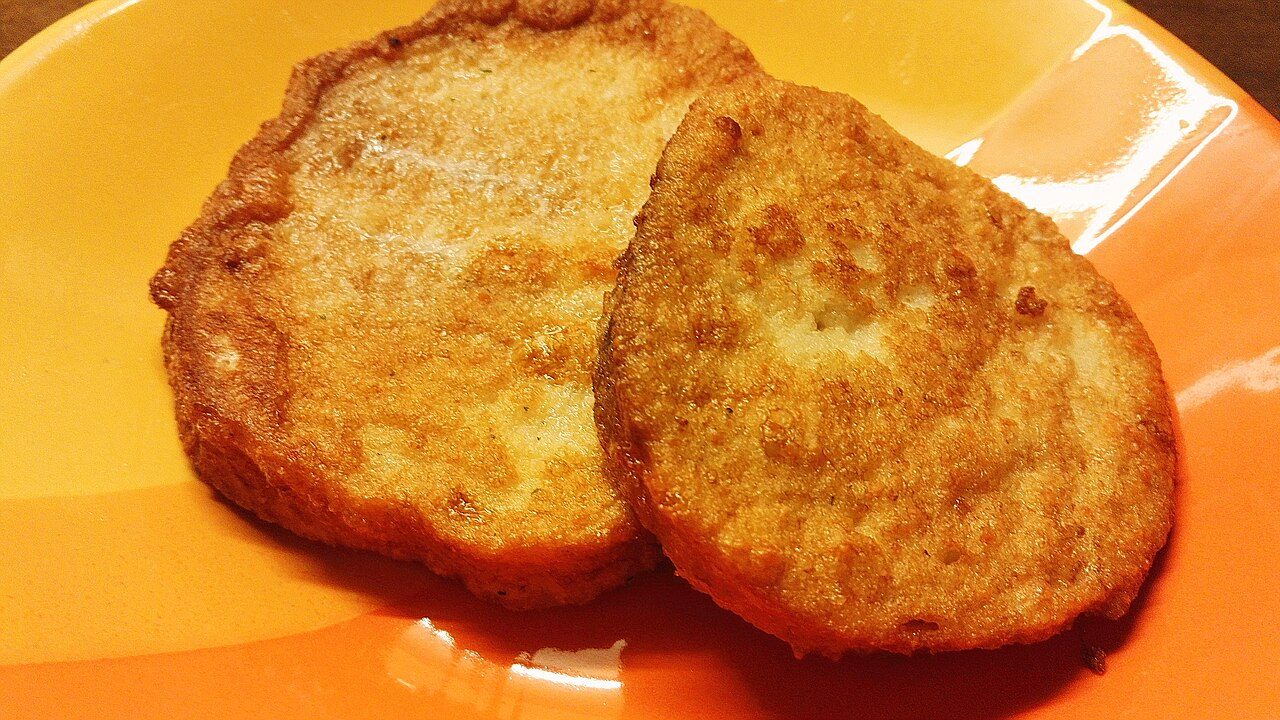

Where to order it: Két Szerecsen serves bundáskenyér with chive sour cream for 2,990 HUF. Cafe Brunch Budapest makes it on its own bread with garlic sour cream for 3,950 HUF, and a stuffed version with chicken-breast ham, egg and cheddar for 4,250 HUF. At Centrál Kávéház the stuffed bundáskenyér comes with mozzarella, Italian ham, onion jam and chive sour cream for 4,390 HUF.


Körözött: the paprika cheese spread
Körözött starts with túró, the dry, crumbly fresh curd cheese of Hungarian kitchens. Cow’s-milk túró (tehéntúró) gives a lighter, milder spread; sheep’s-milk túró (juhtúró) is tangier and saltier, and it is also the base of Liptauer, the Austrian spread that shares a common ancestor with körözött. Into the túró go plenty of sweet Hungarian paprika, ground caraway, finely chopped onion and a knob of butter or a spoonful of sour cream. Spread it thickly on fresh bread, with peppers, tomatoes or radishes on the side.
To make it at home, buy túró, paprika (look for édesnemes, noble sweet) and caraway at a market hall; the market section below has the hours.
Eggs and savory plates
Rántotta, Hungarian scrambled eggs, usually comes with onion softened in fat, sometimes kolbász or bacon, and a dusting of paprika. Két Szerecsen lists Hungarian-style scrambled eggs (magyaros rántotta) at 3,690 HUF, and Cafe Brunch Budapest a Hungarian-style omelette with Hungarian sausage, onion, spicy green pepper and smoked cheese at 4,250 HUF.
A cold platter of ham, salami, sausage, cheese and fresh vegetables is the weekend breakfast in many Hungarian homes. Pest-Buda Bistro’s Bistro Plate brings cured ham, salami, Hungarian sausage, fresh vegetables, cheese and homemade sourdough for 4,680 HUF, and Centrál Kávéház’s Central Brunch Tower (salami, turkey ham, Maasdam and Edam, hummus, cucumber, tomato, pepper, bread, croissant, butter and jam) is 9,980 HUF and made for sharing.
Virsli, thin Vienna sausages with mustard and horseradish, are a classic too: Két Szerecsen serves crispy Vienna sausages with horseradish cream and mustard for 3,490 HUF.
Tepertőkrém, a rich spread of pork cracklings, and hagymás túrókrém, túró with onion and no paprika, are home and market-stall favorites rather than café dishes.
Pastries: pogácsa, csiga, táska
Pogácsa are small savory scones: cheese (sajtos), pork crackling (tepertős), potato (burgonyás) and pumpkin seed (tökmagos) are the classics. Sweet favorites are kakaós csiga (a cocoa swirl), túrós táska (a pastry pocket of sweetened túró), lekváros bukta (a jam-filled bun) and fonott kalács, the braided sweet bread, best with butter and jam.
At Daubner Cukrászda in Buda the savory counter sells pogácsa by weight: cheese pogácsa at 5,100 HUF a kilo, small Gouda pogácsa at 5,800, big potato pogácsa at 4,900, pumpkin-seed pogácsa at 5,000 and pork-crackling rounds (tepertős korong) at 4,400. The day’s selection is shown in the shop.
Where to try a Hungarian breakfast
Két Szerecsen Bisztró és Kávéház
What is it? A coffeehouse in the old sense on Nagymező utca, open from morning to late at night, with a quarter century of Parisian bistro culture behind it.
Why it’s worth it: a full breakfast menu that mixes Hungarian classics with continental favorites: bundáskenyér with chive sour cream (2,990 HUF), Hungarian-style scrambled eggs (3,690 HUF), Vienna sausages, eggs Benedict and an English breakfast (5,390 HUF), with espresso from 850 HUF and cappuccino at 1,150 HUF.
Insider tip: breakfast is served until 11:00 on weekdays and 11:15 at weekends, so aim to arrive by 10:30.
The facts: Nagymező utca 14, District VI. Open Monday to Friday 8:30-23:30, Saturday and Sunday 9:00-23:30. A 13% service charge is added to the bill; if you pay in euros, change is given in forints.
Source: opening hours on ketszerecsen.hu, breakfast prices and times in the breakfast menu PDF linked there (October 2026 edition), checked 15 October 2026.
Pest-Buda Bistro
What is it? A traditional Hungarian restaurant and inn on Fortuna utca in the Castle District, in a house that has welcomed guests since 1696.
Why it’s worth it: breakfast starts at 7:30, so you can eat before setting out across Castle Hill. The Bistro Plate (4,680 HUF) is a proper Hungarian cold platter, eggs come as omelette or scrambled with three toppings (3,260 HUF), and the Frenchy set (3,340 HUF) brings two croissants, two jams and butter, a small orange or apple juice, a hot drink and a bottle of filtered water.
Insider tip: on sunny days the restaurant’s terrace on Hess András tér is a lovely spot for a slow breakfast.
The facts: Fortuna utca 3, District I. Open every day 7:30-21:55, breakfast 7:30-10:30. A 15% service charge is added to the bill.
Source: hours and description on pest-buda.com and breakfast prices in the breakfast menu PDF linked from both its English and Hungarian pages (the same May 2025 edition on both), checked 15 October 2026.
Cafe Brunch Budapest
What is it? A small group of all-day breakfast cafés in central Budapest, with an artisan bakery of its own since 2022.
Why it’s worth it: Hungarian classics sit beside international brunch dishes: bundáskenyér with garlic sour cream (3,950 HUF), the stuffed version (4,250 HUF) and a Hungarian-style omelette (4,250 HUF).
Insider tip: the Opera café at Hajós utca 26/b has a garden terrace with a small fountain and room for about 50 guests.
The facts: most cafés open every day 8:00-16:00; the bakery café opens 7:00-17:30 on weekdays and 8:00-16:00 at weekends. Locations include the Opera, Fővám tér 2-3 by the Great Market Hall, and the Basilica. A 15% service charge on the bill goes to the staff.
Source: menu and locations on cafebrunchbudapest.com, checked 15 October 2026.
Centrál Kávéház
What is it? A historic coffee house at Károlyi utca 9, whose story is tied to the Nyugat literary circle, with a large breakfast and brunch menu.
Why it’s worth it: a grand café room for an unhurried breakfast, a stuffed bundáskenyér (4,390 HUF) and the Central Brunch Tower (9,980 HUF) for two.
The facts: open Monday and Tuesday 9:00-22:00, Wednesday to Saturday 9:00-24:00, Sunday 9:00-22:00.
Source: prices on the Hungarian menu at centralgrandcafe.hu (the English menu lists euro prices) and hours on the same site, checked 15 October 2026.
Daubner Cukrászda
What is it? A cake and pastry shop on Szépvölgyi út in Buda with a long savory counter.
Why it’s worth it: pogácsa in many flavors, sold by weight, plus a full range of Hungarian cakes for afterwards.
The facts: Szépvölgyi út 50, District II. Open Wednesday to Sunday 9:00-19:00, closed on Mondays and Tuesdays. Card payment is accepted.
Source: prices and hours on daubnercukraszda.hu, checked 15 October 2026.
For sweet pastries and cakes beyond breakfast, see our guide to Hungarian desserts in Budapest.
Markets: buy the ingredients
The Great Market Hall (Központi Vásárcsarnok) on Vámház körút is the easy place to shop for paprika, fresh peppers and tomatoes, cured meats and dairy. Entry is free. It opens Monday to Friday 6:00-18:00, Saturday 6:00-16:00 and Sunday 10:00-16:00, and is closed on public holidays. Our Great Market Hall guide covers the hall floor by floor.
Source: hours on piaconline.hu/nagycsarnok, checked 15 October 2026.
Lehel Market (Lehel Csarnok), by Lehel tér, is a working market hall away from the main sights; check its opening hours before you go. For more halls and markets, see our Budapest markets guide.
Service charge and tipping
Many Budapest cafés add a service charge, and the menu says so: 13% at Két Szerecsen, 15% at Pest-Buda Bistro and at Cafe Brunch Budapest, where it goes to the staff. With the charge on the bill, an extra tip is your choice. Where the bill shows no service charge, adding around 10% for good service is usual.
Before you go
Start with a bundás kenyér and a coffee, add a slice of körözött on fresh bread, and pick up a bag of pogácsa for later. Breakfast hours vary from café to café, so check them before you set out, and jó étvágyat (enjoy your meal)!
Good to know
What is a typical Hungarian breakfast?
It is usually savory: fresh bread or rolls with cold cuts, cheese and sliced peppers, tomatoes or radishes, eggs (often scrambled with onion and paprika), and spreads such as körözött. On busy mornings many people simply grab a pastry, such as pogácsa or kakaós csiga, with a coffee.
Where can I eat bundás kenyér in Budapest?
Két Szerecsen serves it with chive sour cream for 2,990 HUF, Cafe Brunch Budapest with garlic sour cream for 3,950 HUF (a stuffed version is 4,250 HUF), and Centrál Kávéház offers a stuffed bundáskenyér for 4,390 HUF.
What time is breakfast served in Budapest cafés?
It depends on the café. Két Szerecsen serves breakfast 8:30-11:00 on weekdays and 9:00-11:15 at weekends, Pest-Buda Bistro every day 7:30-10:30, and most Cafe Brunch Budapest locations run their all-day breakfast 8:00-16:00.
Is a service charge added to the bill in Budapest cafés?
Often, yes. Két Szerecsen adds 13%, and Pest-Buda Bistro and Cafe Brunch Budapest add 15%. The menu says so, and with the charge on the bill an extra tip is your choice.
What is körözött?
A paprika-red spread of túró (fresh curd cheese) mixed with sweet paprika, ground caraway, onion and butter or sour cream. It is eaten on fresh bread, often with peppers or radishes on the side, and is easy to make at home with ingredients from a market hall.
Book it, skip the counter


Prices checked 2026-10-26. Booking through these links supports the site at no extra cost to you. How this works.